On the afternoon of 12/7, Nguyen Van Phuong, Deputy Director of the Bac Ninh Department of Home Affairs, announced that since the 11th, communes and wards across the province had simultaneously conducted public consultations on the proposal to establish Bac Ninh as a central city. The consultation methods included organizing conferences or bringing ballot boxes to individual households.
By that evening, a total of 1.029 million household representatives participated in the ballot across the province, achieving a 99.39% turnout. Of these, 99.09% of residents agreed to elevate the locality to a city.
"Local authorities meticulously prepared the public consultation, following the correct procedures. Many areas completed the consultation early, with a high participation rate of household representatives", Mr. Phuong said. He added that based on these results, the Department of Home Affairs would compile the information and advise the province to finalize the proposal for submission to competent authorities for consideration and decision.
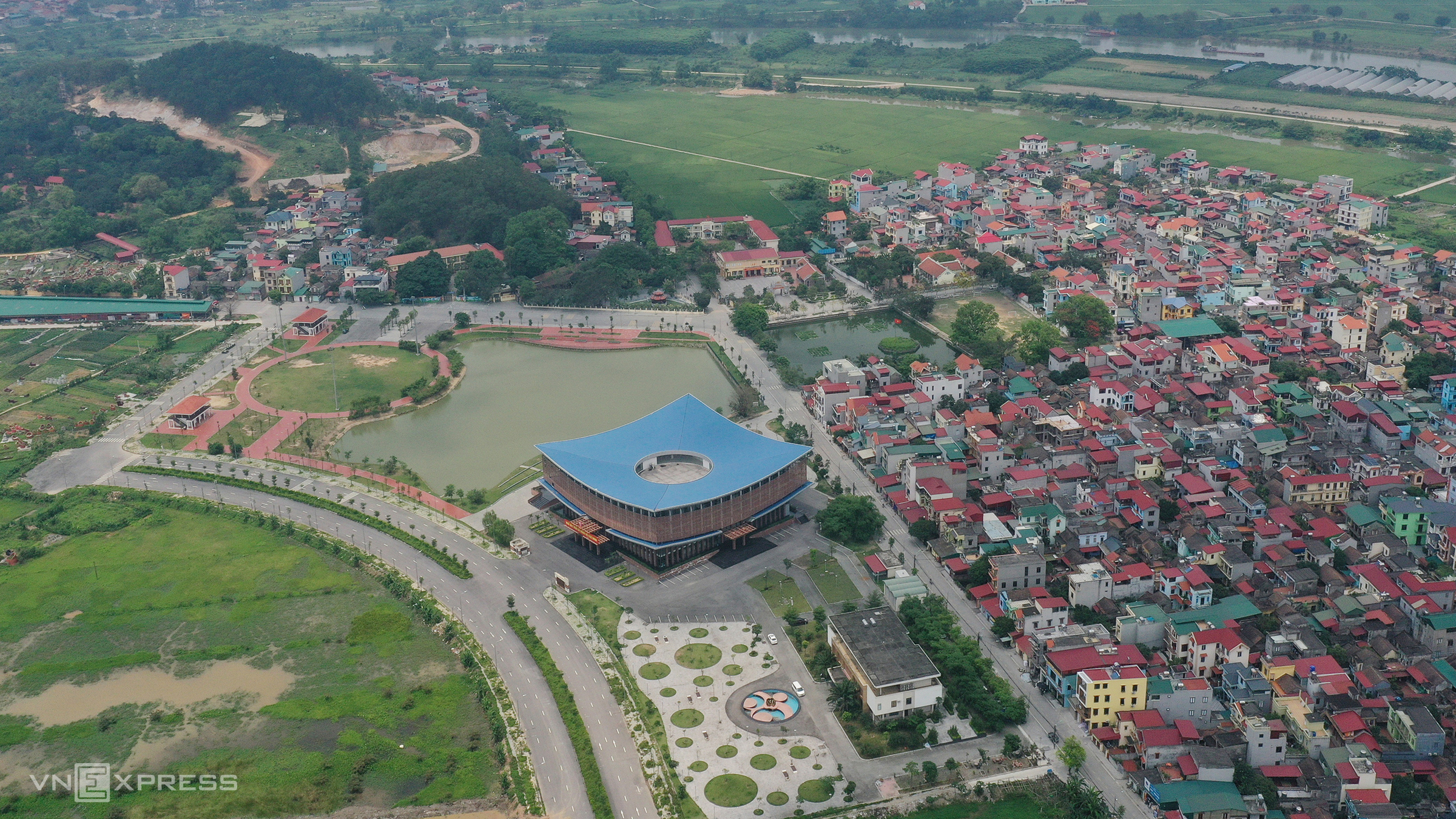 |
Bac Ninh Quan Ho Theater. Photo: Ngoc Thanh |
On 20/6, the Politburo approved the policy to establish Bac Ninh city based on the current administrative boundaries of Bac Ninh province, with an area of 4,700 km and a population of nearly 4 million.
The locality aims to develop into a green, smart, and modern urban area, imbued with Kinh Bac cultural identity. It plans to leverage science, technology, and innovation as drivers for growth, fostering high-tech industries, and forming a leading electronics, semiconductor, microchip manufacturing, and artificial intelligence hub in the country and the region.
The Politburo assigned the Bac Ninh Provincial Party Committee to finalize the proposal for submission to the Central Committee for review, and to promptly complete the application for recognition as a Type I urban area.
Following its merger with Bac Giang in mid-2025, Bac Ninh will locate its administrative center in Bac Giang ward. In 2025, the province's GRDP increased by 10.27%, ranking 5th nationwide. It attracted USD 5.73 billion in foreign direct investment (FDI), ranking second after Ho Chi Minh City. The province aims to become a central city before 2030.
Vu Tuan