Chairing a meeting of the Central Emulation and Commendation Council on the morning of 15/4, Prime Minister Le Minh Hung demanded strict and quantified implementation of savings. The 2026 target is to reduce recurrent spending by at least 10%, equivalent to approximately 170,000-180,000 billion dong, to allocate resources for priority tasks.
The head of government called for tighter control over spending in public procurement, conferences, workshops, and travel expenses. He also emphasized specific targets for saving energy, electricity, and fuel, aiming to contribute to economic growth.
Reviewing recent achievements, the Prime Minister noted that patriotic emulation movements have significantly contributed to achieving socio-economic goals, ensuring national defense and security, and improving people's living standards. However, as the nation enters a new development phase, the movement requires practical and effective innovation, closely aligned with development objectives.
The Prime Minister stressed that emulation must be linked to the goal of double-digit growth, rapid, sustainable development, and enhancing the quality of life for citizens. Emulation plans need clear tasks, deadlines, focal points, measurable results, and a strong emphasis on accountability for leaders.
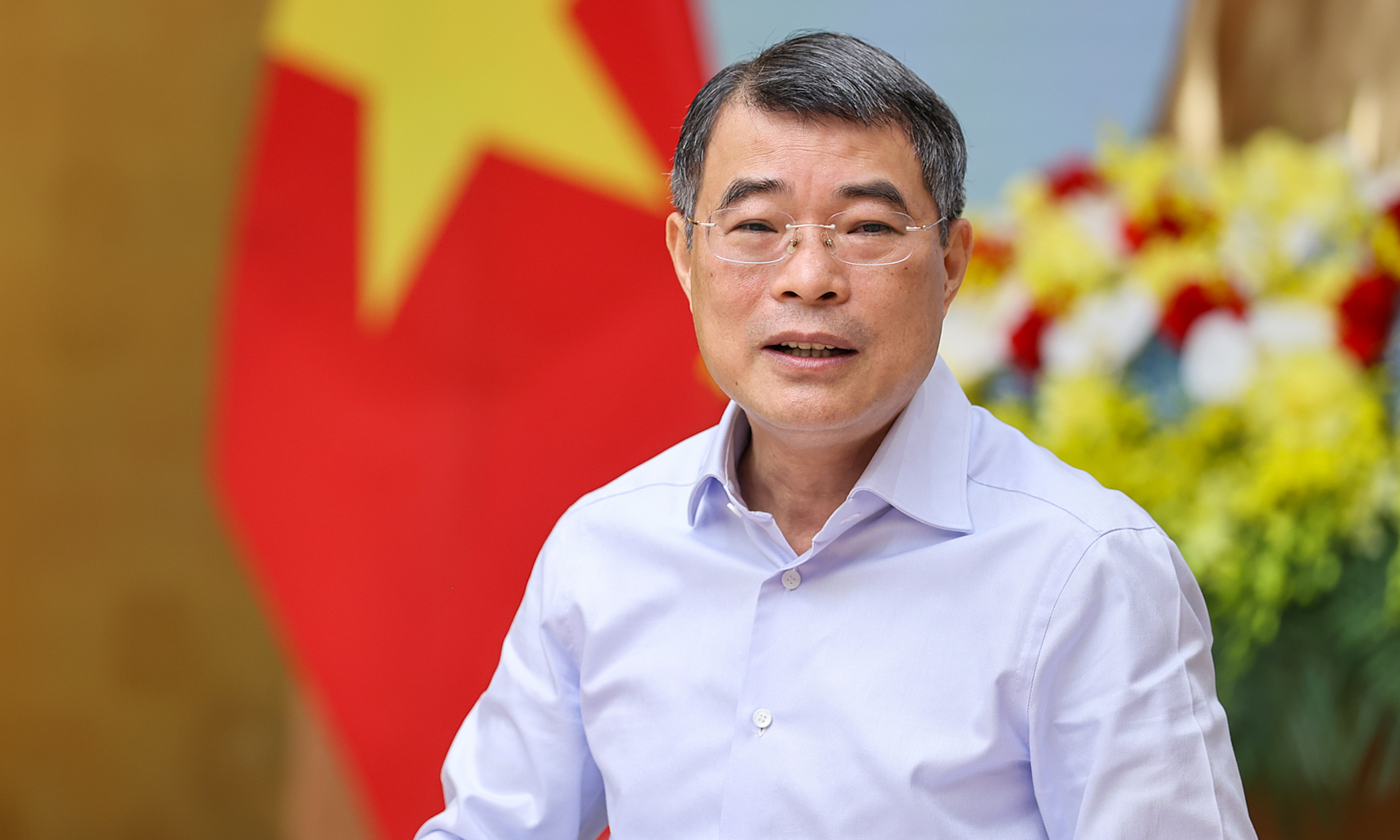 |
Prime Minister Le Minh Hung speaks on the morning of 15/4. *Nhat Bac* |
Commendation efforts are required to be accurate, timely, avoiding formality, and focusing on citizens and those who directly create value. The Ministry of Home Affairs is tasked with developing a plan to launch a socio-economic emulation movement for sustainable double-digit growth for the 2026-2031 period.
The immediate focus will be on promoting double-digit growth and transforming the growth model. This transformation will be based on science, technology, innovation, and digital transformation, thereby improving labor productivity and competitiveness.
To achieve these objectives, government leaders called for accelerated administrative reform, reduction of business conditions, and improvement of the business environment. These measures aim to reduce compliance costs for individuals and businesses.
Two-tier local governments are required to operate effectively, with 2026 designated as the year to enhance the quality of grassroots cadres. Institutional and legal bottlenecks, along with stalled projects, must be definitively resolved to unlock resources and boost growth drivers.
Vu Tuan