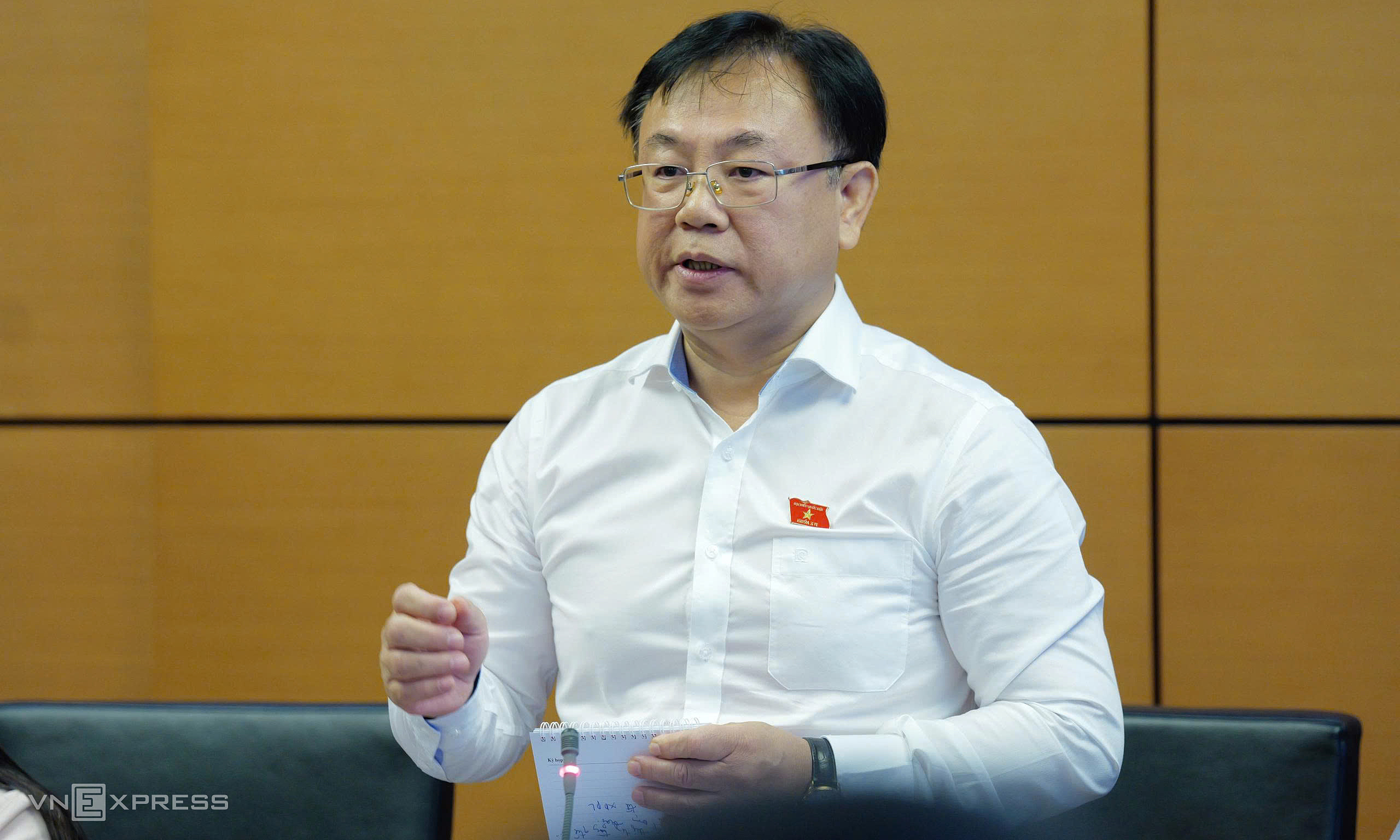
On the morning of 5/8, authorized by the Prime Minister, Minister of Interior Nguyen Tien Hai presented to the National Assembly a draft Law amending and supplementing some articles of the Law on Vietnamese Workers Abroad Under Contract.
The draft focuses on three main areas, including: reducing and simplifying administrative procedures; addressing urgent issues and practical difficulties; strengthening decentralization for local authorities; and improving regulations related to organizational structure.
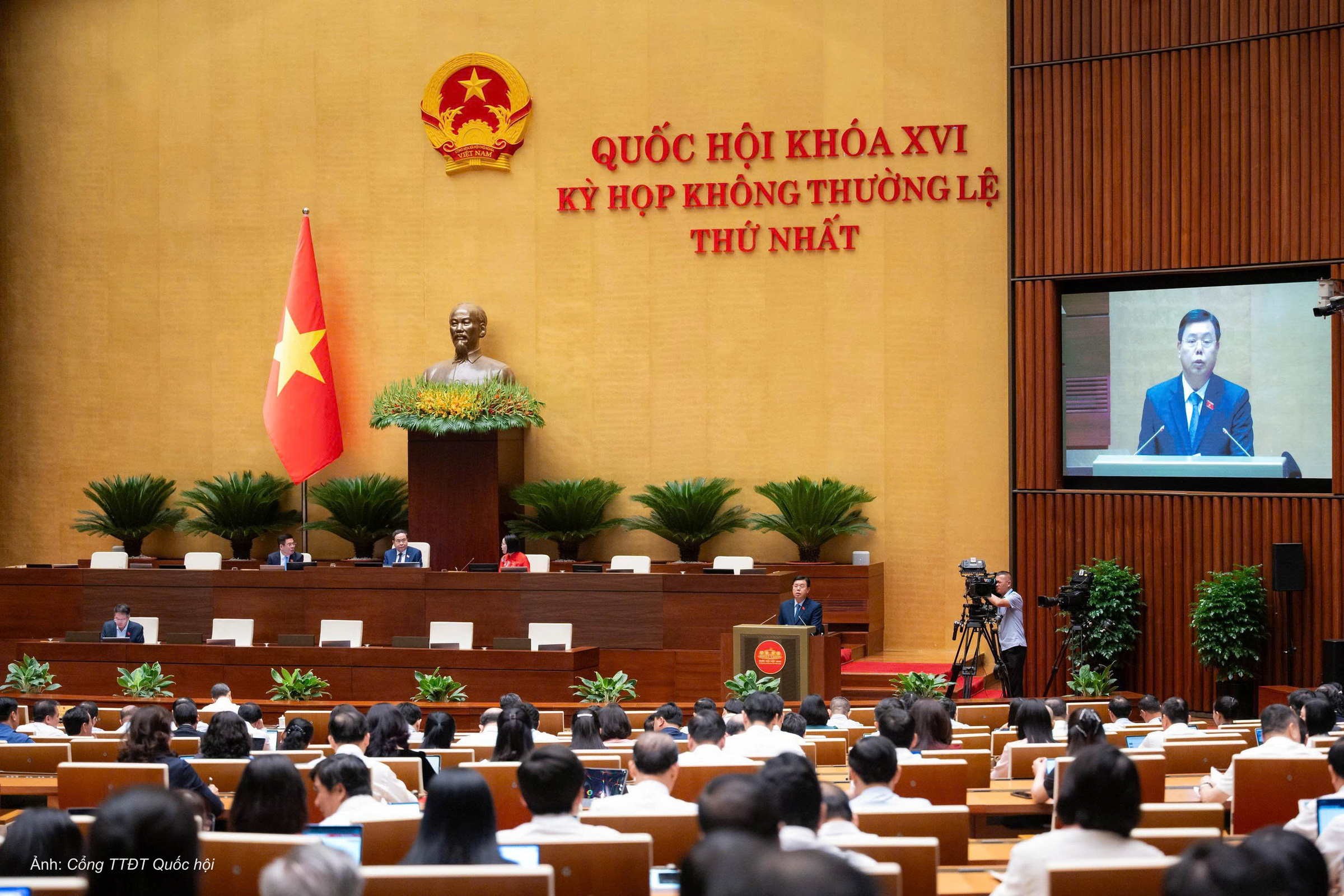 |
National Assembly delegates listen to the bill presentation on the morning of 5/8. Photo: National Assembly Portal |
The revised draft amends regulations on prohibited occupations for workers going abroad. While the current law only bans massage work in restaurants, hotels, or entertainment centers, the new draft proposes a general ban on massage work. This regulation aims to reduce the risk of workers, particularly women, facing trafficking, exploitation, and forced labor.
Additionally, enterprises must fully and accurately publish on their websites information regarding recruitment numbers, selection criteria, working conditions, and the rights and obligations of workers according to the labor supply contract.
Enterprises are also responsible for managing and protecting the legal rights and interests of workers they send abroad. When incidents affecting workers' lives, health, legal rights, and interests occur, or in emergency situations, enterprises must immediately inform and report to the competent state agencies and Vietnamese representative agencies abroad.
Enterprises must support workers in accessing legal aid services when needed, especially if they experience abuse, violence, or discrimination while working abroad.
**Training fees collected only after worker selection**
According to the draft, service enterprises can proactively prepare labor resources before registering labor supply contracts, based on the needs of the receiving market. Enterprises can directly or coordinate with vocational education institutions and employment service organizations to provide vocational skills and foreign language training for workers.
However, to protect workers from the risk of incurring numerous costs without being hired, the draft stipulates that training and skill development fees can only be collected after workers have been selected by the foreign party.
According to the drafting agency, this regulation aims to address the situation where many workers have to pay training fees very early, despite not being certain of the opportunity to go abroad. The new policy is expected to reduce financial risks and ensure workers' rights during their preparation to join the overseas labor market.
**Preventing illegal brokerage activities**
The draft stipulates that enterprises licensed for service activities for sending Vietnamese workers abroad under contract must either conduct recruitment, assessment, and selection of workers themselves or coordinate with the labor-receiving party. Enterprises are prohibited from using a third party or authorizing other organizations or individuals to carry out these activities.
The bill also revises and supplements prohibited acts to be more specific. In addition to acts such as enticing and luring, the draft adds provisions prohibiting false promises, providing inaccurate or misleading information, fraudulent advertising or consulting, or using other deceptive tactics to mislead workers. Exploiting the activity of sending workers abroad to organize illegal exit, human trafficking, exploitation, forced labor, or other unlawful acts is strictly prohibited.
Enterprises are also forbidden from recruiting or sending workers to areas with ongoing conflicts, or areas that Vietnamese competent authorities have advised against or restricted travel to.
Upon reviewing the bill, the Culture and Social Affairs Committee agreed with the amendments and additions to regulations on labor resource preparation. The provision requiring enterprises and workers to sign written agreements will help complete the legal framework governing the relationship between parties, while also ensuring the legal rights and interests of enterprises in cases where risks arise from workers unilaterally terminating their participation in the program.
The review agency proposed that the government be tasked with detailing state management responsibilities and coordination mechanisms among agencies to ensure flexibility in implementation.
The National Assembly will consider and pass this bill during an extraordinary session.
Son Ha