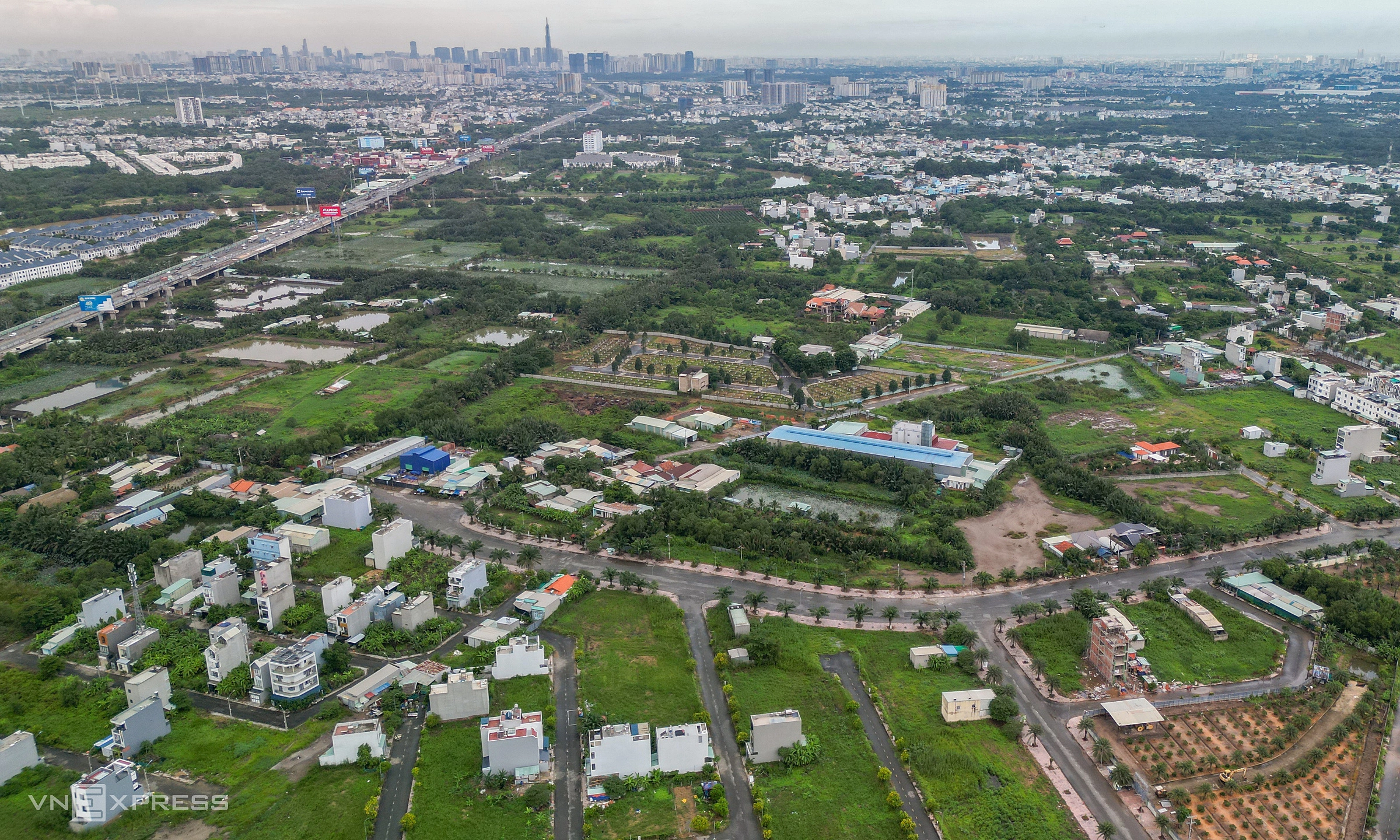
According to the Quang Ninh Provincial People's Committee, the current rental housing supply largely depends on the private sector. The province has 16,198 apartments or rooms privately owned by households and individuals, accounting for 74% of the total supply and housing about 39,420 people.
However, authorities note that some self-built rental units are cramped, lack standard fire safety systems, and have inadequate electricity and water infrastructure. Rental prices also tend to rise in urban and tourist areas.
Meanwhile, the social housing for rent segment remains limited. The province has only one completed social housing project for rent, comprising 412 apartments. Among 16 ongoing projects, only one has completed phase one, providing 239 rental apartments, alongside another social housing project for rent with 150 apartments.
Based on aggregated data from communes and wards, the demand for rental housing in Quang Ninh from 2026 to 2030 is 84,730 people, including 65,620 single individuals and 19,115 households.
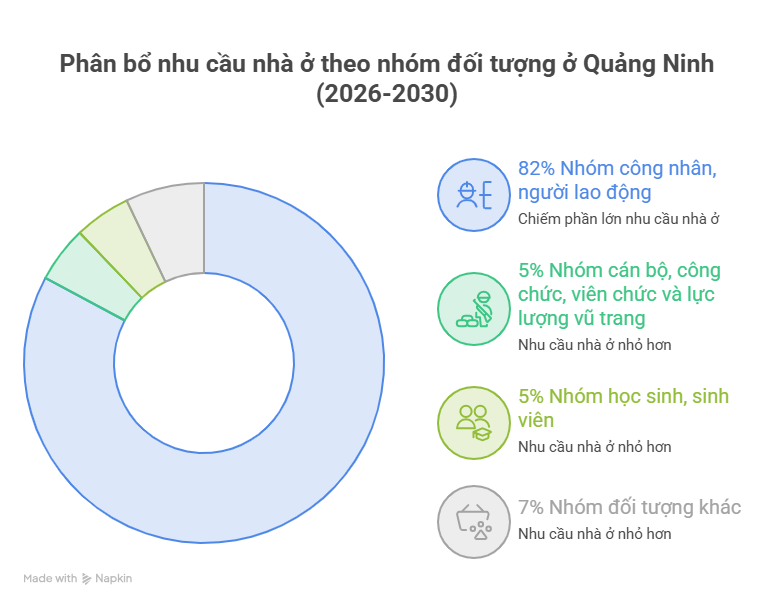 |
Rental housing demand for target groups in Quang Ninh. Graphics: Le Tan |
Rental demand is concentrated in Quang Ha (22,000 people), Phong Coc Ward (5,420), Viet Hung Ward (4,800), and Hiep Hoa Ward (3,900).
Quang Ninh aims to develop approximately 12,710 rental apartments by 2030, meeting 15% of the projected demand. The province plans to allocate 77 sites, totaling about 318 hectares, to attract investment for building rental housing.
To prevent a supply-demand imbalance, the province prioritizes development based on labor density and economic growth rate. The first priority is the Quang Yen coastal economic zone, Mong Cai border gate, and Viet Hung industrial park. This is followed by central urban areas, including Ha Long and the former Uong Bi.
The third priority includes areas with more specialized labor, such as Cam Pha, Dong Trieu, and the former Uong Bi, then tourism, service, and logistics areas like Bai Chay, Tuan Chau, Van Don, and the former Mong Cai.
Le Tan