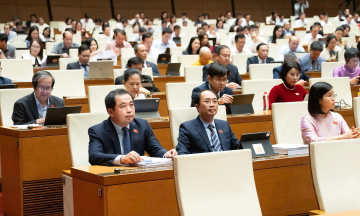
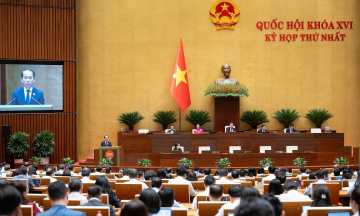
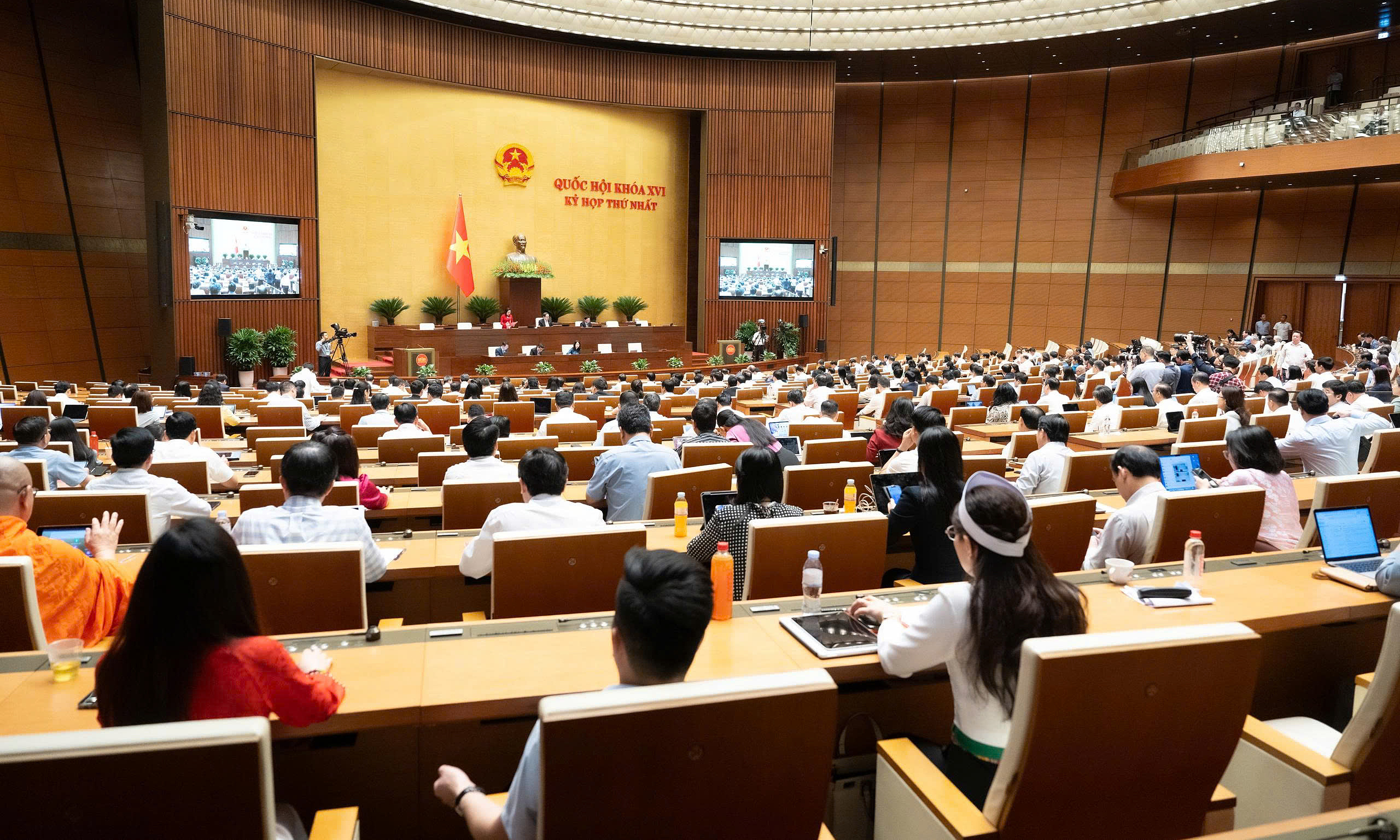
on the morning of april 9, the national assembly held a group discussion on the draft law amending and supplementing some articles of the law on notarization. a key point of discussion was the proposal to narrow the scope of transactions requiring mandatory notarization.
the draft specifies that only important, high-value, and high-risk transactions will require mandatory notarization. these include the buying, selling, transferring, gifting, or mortgaging of real estate between individuals or with non-real estate businesses. special cases, such as wills made by illiterate or physically limited individuals, will also remain mandatory.
conversely, small-value, low-risk transactions will no longer require mandatory notarization, allowing them to be carried out through simpler mechanisms.
many delegates expressed agreement with this amendment. delegate Duong Duc Hai, director of the Department of Fire Prevention, Fighting and Rescue, stated that mandatory notarization should only apply to high-value transactions that significantly impact property rights. for small transactions, like buying a used motorbike for a few million dong, a simple administrative confirmation should suffice to reduce costs and inconvenience for citizens.
 |
delegate Duong Duc Hai, director of the Department of Fire Prevention, Fighting and Rescue. *Photo: Hoang Phong* |
Nguyen Khanh Ngoc, chairman of the Vietnam Lawyers' Association, also supported narrowing the list of mandatory notarized transactions to ensure the freedom of agreement for individuals and businesses. he suggested that in remote areas, such as islands, commune-level People's Committees could handle notarization for equivalent values, sparing citizens long travel distances.
delegate Nguyen Minh Tuan, director of Phu Tho Provincial Police, emphasized the need to further reduce notarization procedures to accelerate administrative reform. he suggested that authorities could study international practices, where some countries do not require notarization for all real estate transactions but instead rely on tax obligations to establish transactions.
however, some delegates requested further clarification of the draft's provisions. delegate Vo Ngoc Thanh Truc, chairwoman of the Ho Chi Minh City Women's Union, noted that the concept of "important transactions" remains vague, potentially leading to varied interpretations. she proposed specific criteria or a regulatory framework from the government to ensure consistent application.
delegates also agreed that for real estate transactions, mandatory notarization remains crucial to prevent disputes, protect vulnerable parties, and ensure market transparency. concurrently, there is a need to simplify procedures, promote digitalization, and build a notarization database to move towards online notarization.
Son Ha