Since July, the Mao Dien Ward People's Committee has received numerous complaints via its online platform regarding excessively early public broadcasts. One local resident from Dai Mao residential group reported that, in addition to announcements, the community loudspeaker regularly plays two songs at 4:30 am daily. This individual views the practice as noise pollution, significantly impacting residents' daily lives and sleep, and has requested the ward to adjust the broadcast schedule accordingly.
On 1/12, another citizen reiterated the call to stop the alarm broadcasts at 4:30 am and 4:45 am. The resident cited their experience of living in Hanoi for many years, where similar early morning broadcasts were not observed. They emphasized, "I believe a cultural residential group is defined by various aspects and criteria, such as a civilized lifestyle, commendable actions, and mutual support, rather than merely an alarm loudspeaker."
A third resident suggested moving the broadcast time to 6:00 am, deeming it more compatible with the daily routines, work, and school schedules of the majority of the population.
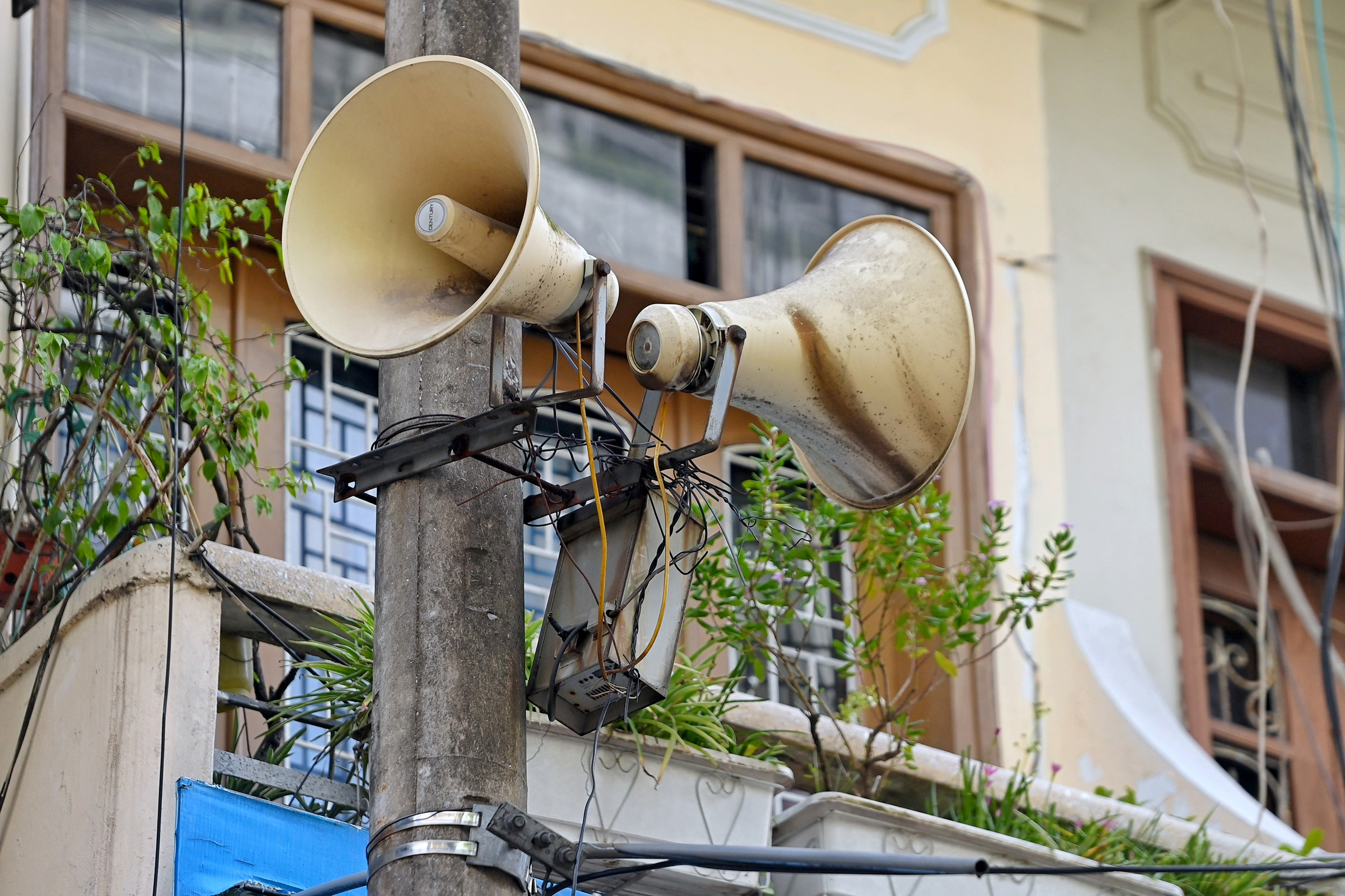 |
A ward's loudspeaker. Photo: Giang Huy
In response to the feedback, the management board of Dai Mao residential group explained that the two "alarm" melodies broadcast at 4:30 am during winter and 4:45 am during summer are signature tunes of the Voice of Vietnam, which have been in use for many years. The board stated the purpose of these broadcasts is to "awaken residents to prepare for work and production; remind families with major events to gather children and grandchildren on time; and foster a habit of early rising for community groups, fitness clubs, cycling, and walking for health training".
The residential group further clarified that this initiative has been a long-standing movement aimed at enhancing community health and fostering family economic development. After considering the input, the residential group convened a meeting and "unanimously agreed to continue maintaining the daily alarm loudspeaker format".
Gia Chinh