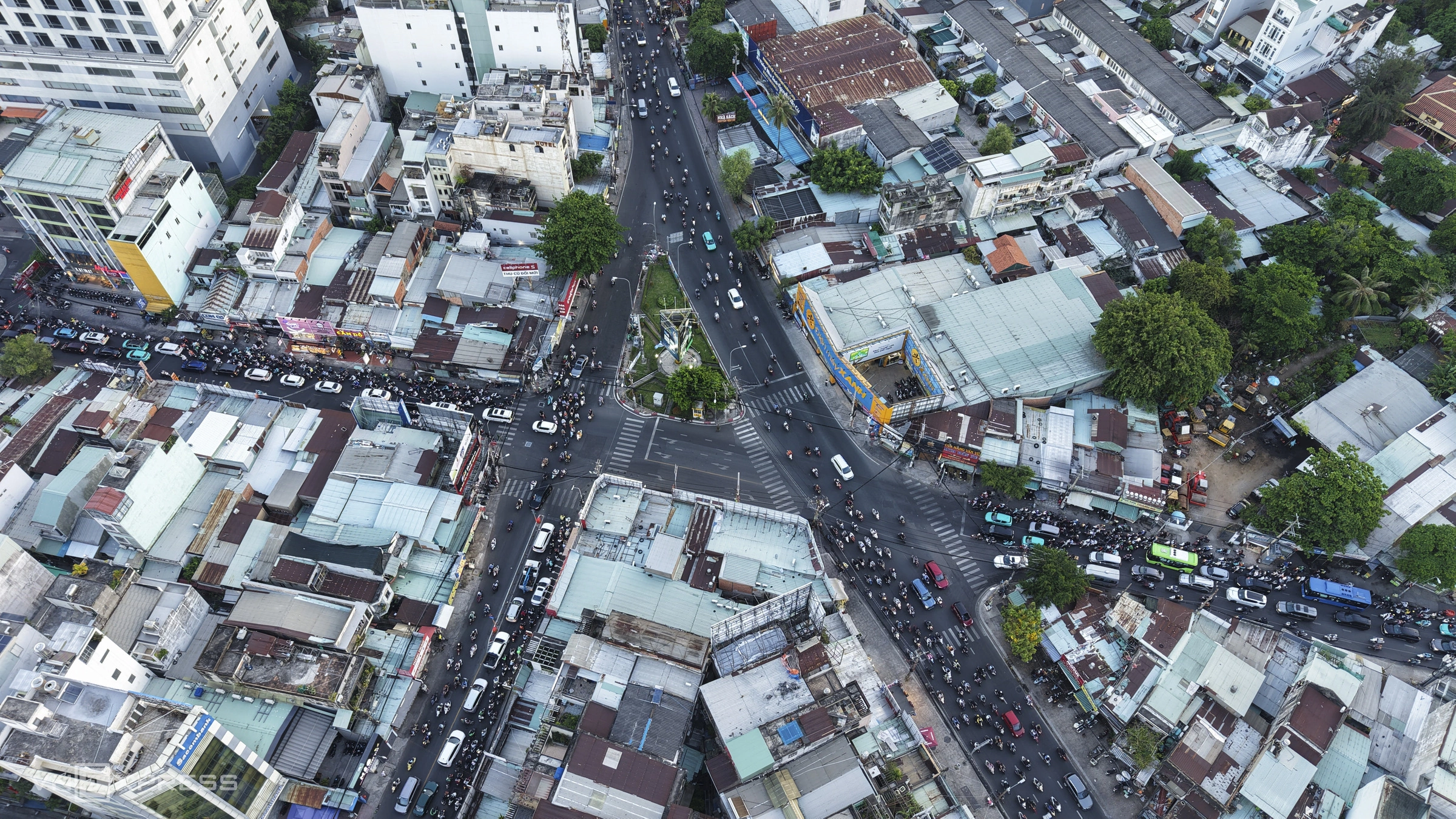
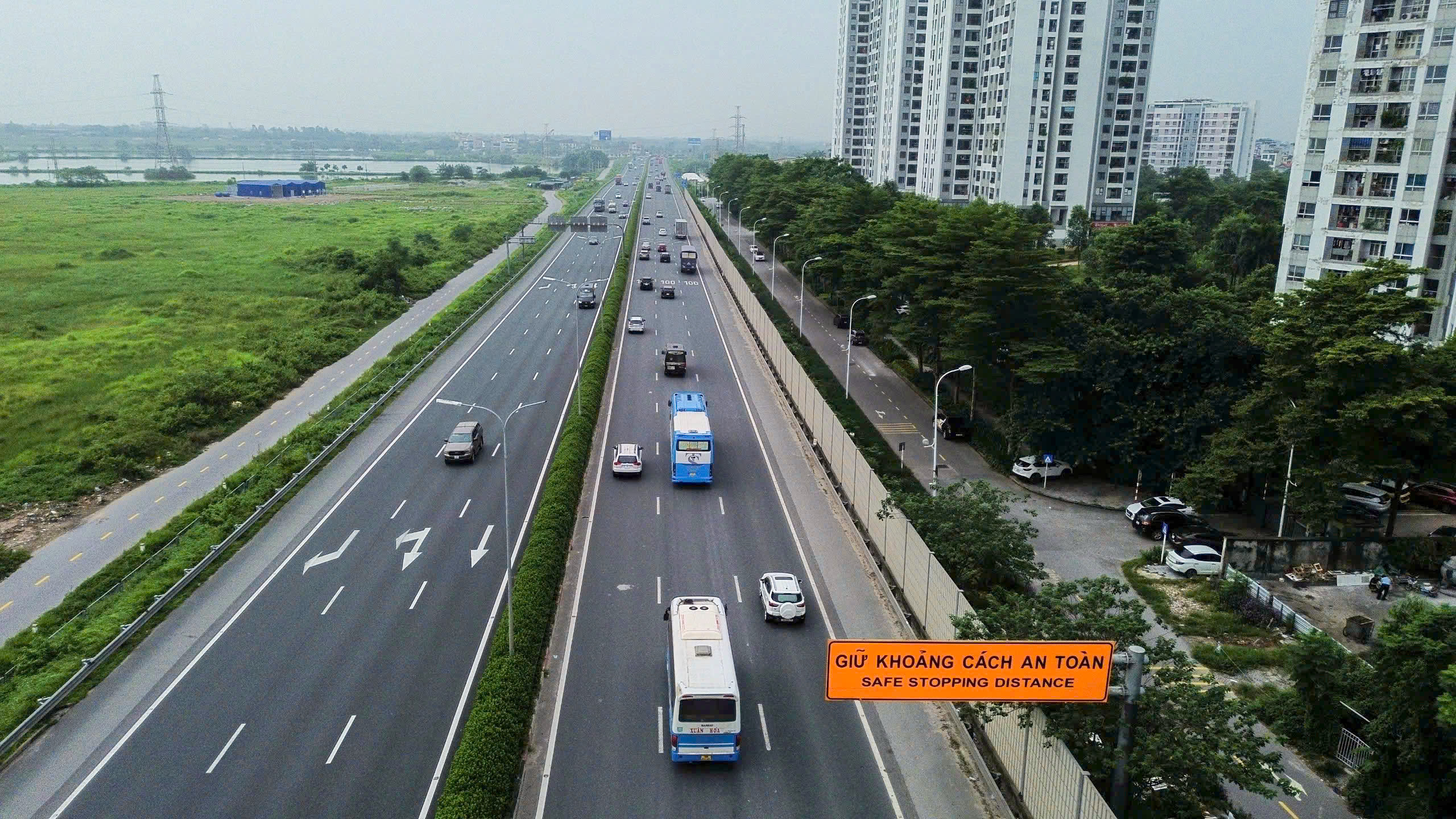
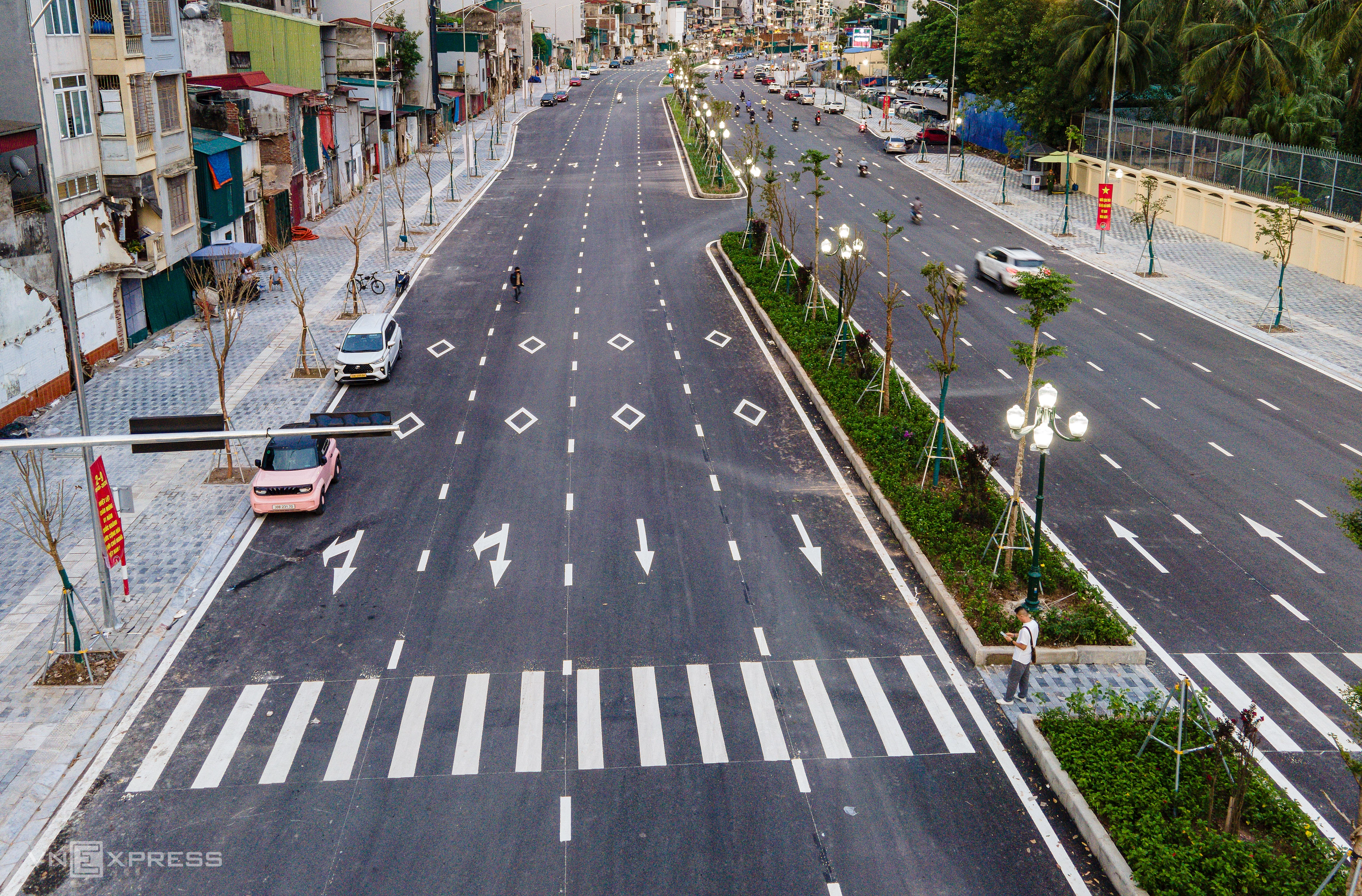
Vietnam currently has 705 commune-level administrative units that do not meet established standards, as detailed in a report by the Ministry of Home Affairs. This report was submitted to the National Conference reviewing one year of operation of the overall political system organization model and the two-tier local government model. Among these units, 17 fall short on both area and population criteria, 529 units do not meet the area standard, and 159 units fail to meet population requirements.
The Ministry of Home Affairs highlights that maintaining these small-scale administrative units disperses investment resources and increases management costs. This structure prevents them from leveraging economies of scale effectively to provide public services and drive socio-economic development.
Beyond their sub-standard size, some localities, even after previous restructuring efforts, retain administrative boundaries that are misaligned with their development spaces. These boundaries often fragment urban areas, industrial zones, economic zones, tourist regions, historical sites, or areas characterized by high natural connectivity. Such fragmentation negatively impacts planning efforts, infrastructure development, and the attraction of long-term investment.
The Ministry of Home Affairs also notes that some urban areas have developed multi-center growth patterns that extend beyond traditional administrative boundaries. However, the inter-regional infrastructure connecting these areas lacks synchronization and has not kept pace with the rate of urban expansion.
Furthermore, the merger of some towns into rural communes has altered the management characteristics of existing urban areas. This situation necessitates further review to establish suitable urban administrative units that align with their evolving nature.
 |
Ho Guom in Hoan Kiem ward, Hanoi, 6/2020. Photo: Giang Huy. |
Considering these shortcomings, the Ministry of Home Affairs has designated a key task for the latter half of 2026: a comprehensive review of all sub-standard communes and wards. The goal is to advise competent authorities on initiating further mergers. The Ministry will implement mergers based on scientific, practical, and legal assessments, while also considering historical, cultural, ethnic, religious, and geographical factors. This approach aims to ensure minimal disruption to residents' lives and the functioning of local governments.
The Ministry also proposes establishing new wards from eligible towns and urban areas, forming large-scale wards to serve as development nuclei for provinces and cities, and creating new-generation special economic zones to act as growth poles.
"The general principle is not to pursue mergers merely for quantity, nor to cause unnecessary disruption. However, administrative inefficiencies that hinder development should also not be allowed to persist," the Ministry of Home Affairs' report stated.
Following the implementation of the two-tier local government model, the total number of commune-level administrative units nationwide decreased from 10,035 to 3,321. According to Resolution 112/2025 of the National Assembly Standing Committee, mountainous communes must have a minimum population of 5,000 and an area of 100 km²; island communes, 2,500 residents and 15 km²; and other communes, 16,000 residents and 30 km². Wards must have at least 21,000 residents and an area of 5,5 km².
Vu Tuan