 |
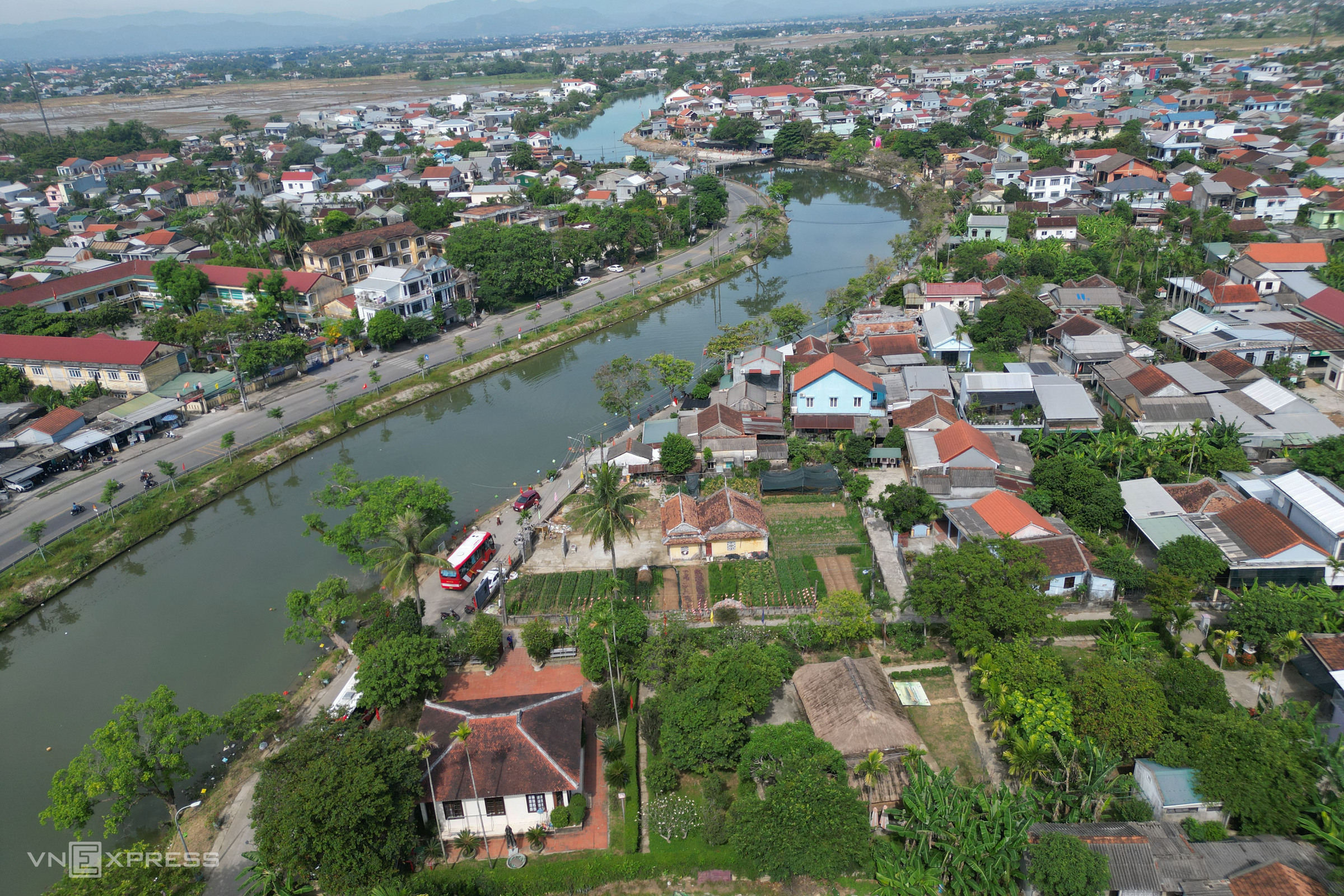
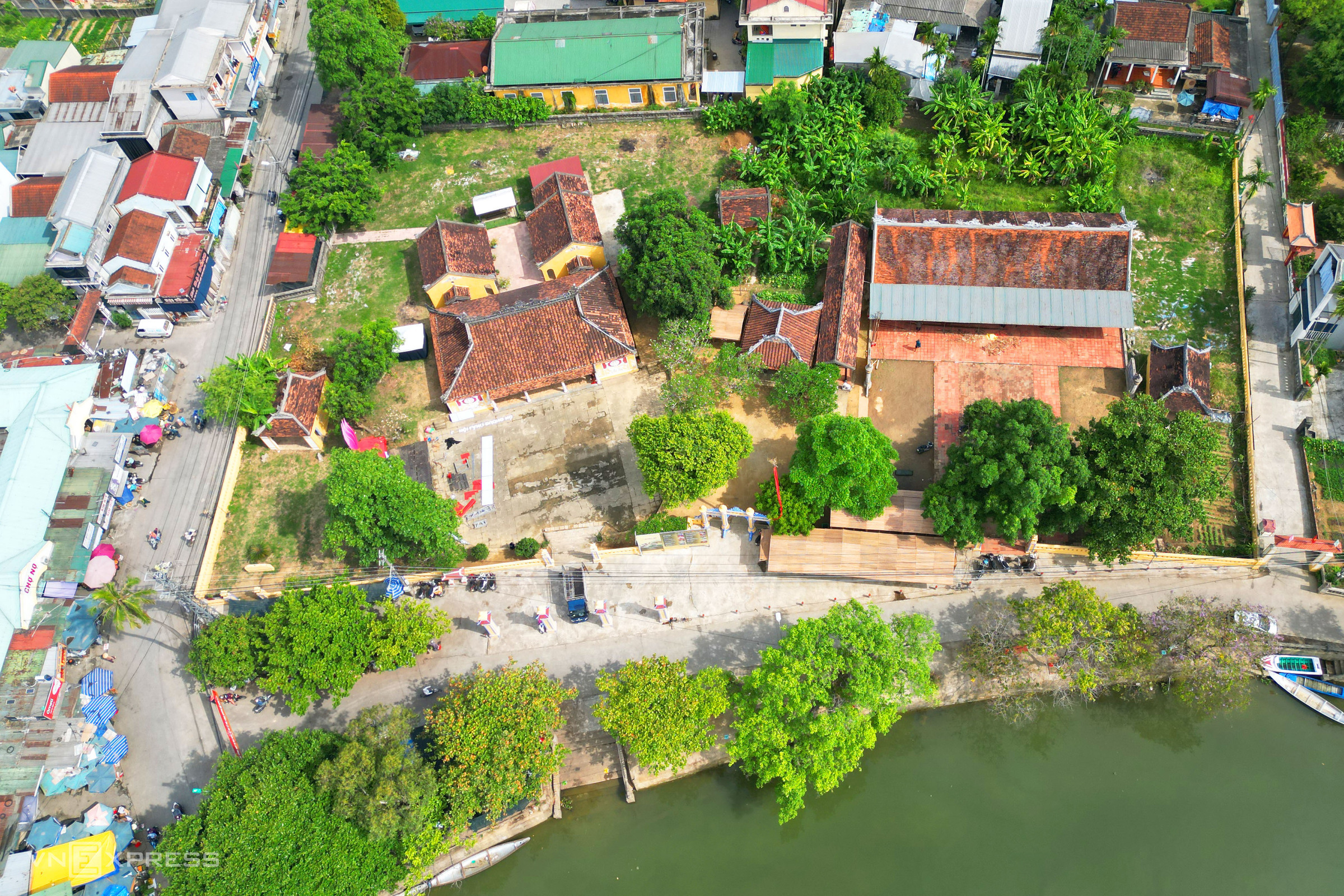
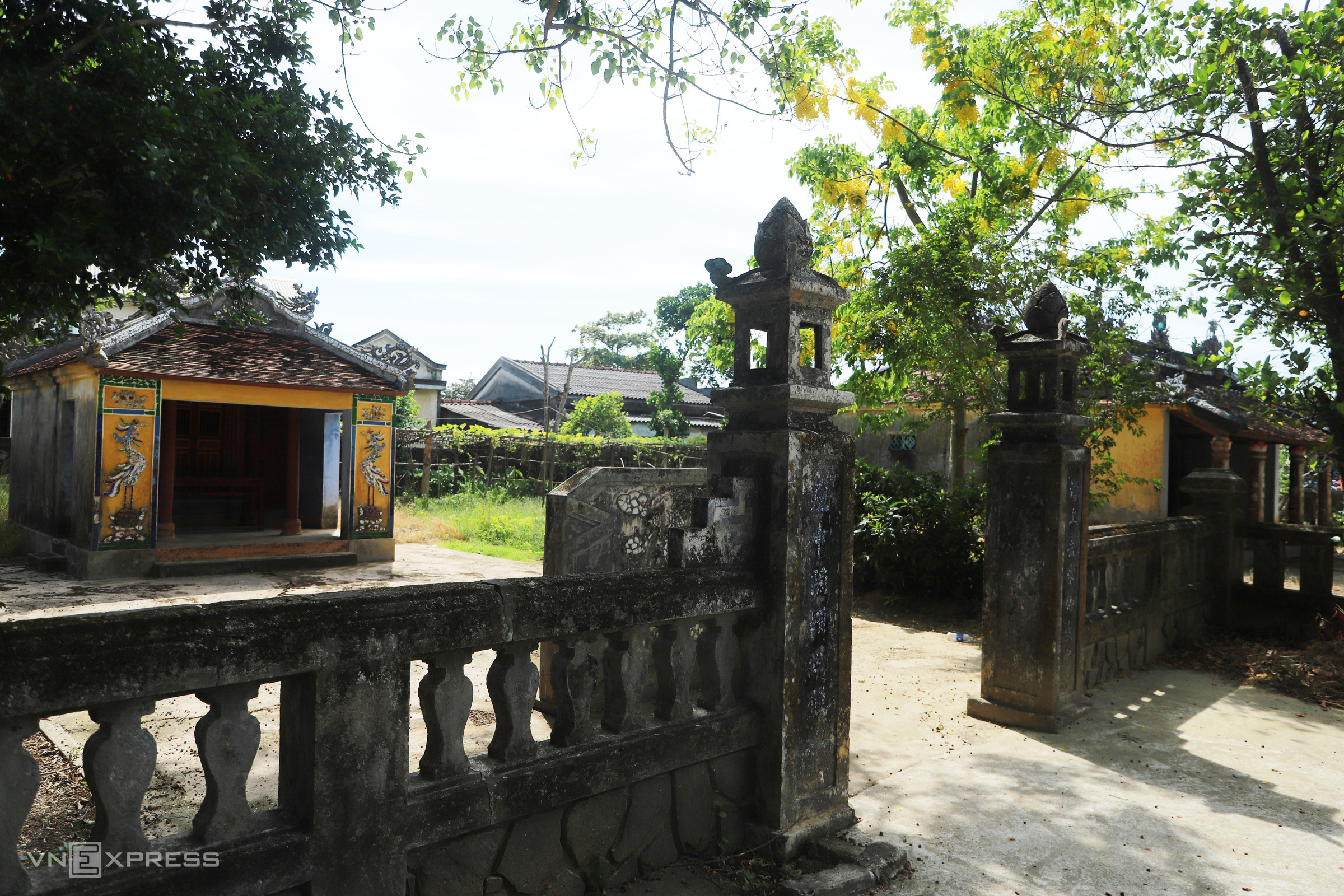
Duong No communal house, built over 500 years ago, embodies the typical architectural, artistic, and cultural values of a Vietnamese village cultural institution in Hue. |
Duong No village, nestled by the Pho Loi river in Duong No ward, is where President Ho Chi Minh lived with his family during his time in Hue from 1898 to 1900.
The village was established in 1471 following King Le Thanh Tong's southern expansion. Over centuries, Duong No developed with seven main clans: Nguyen, Tran, Doan, Vo, Duong, Le, and Huynh.
 |
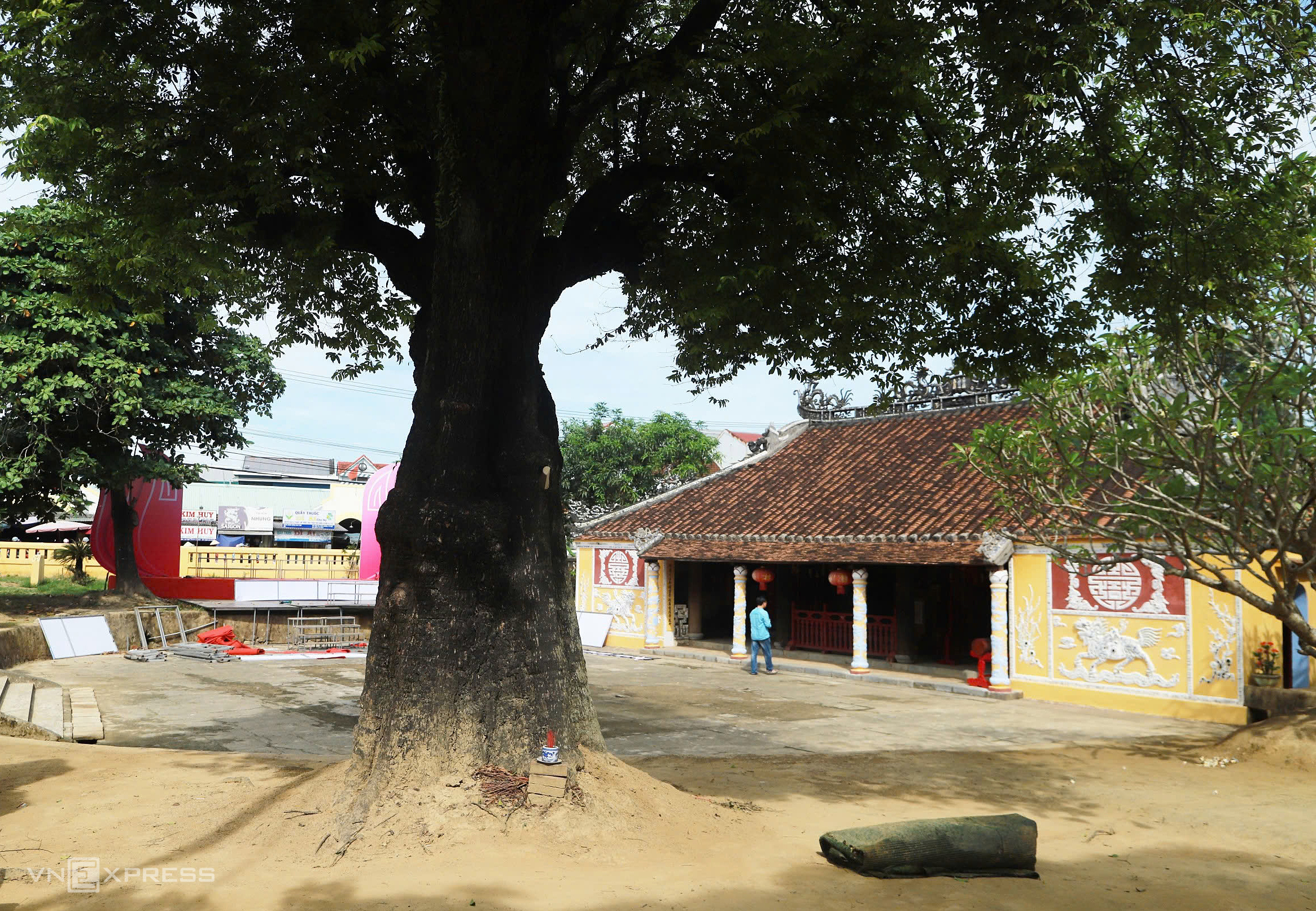
The communal house courtyard still features many ancient trees over 100 years old. Pictured is a 200-year-old star apple tree, protected and cared for by villagers. |
Duong No communal house, built in 1471 during the reign of King Le Thanh Tong, stands by the Pho Loi river. This is a prominent relic within the system of sites commemorating President Ho Chi Minh's youth in Hue city.
On 23/12/1995, the Ministry of Culture and Information, now the Ministry of Culture, Sports and Tourism, recognized the communal house as a national historical and cultural relic. On 31/12/2020, the Prime Minister designated it a special national relic.
During his time in Duong No village, the communal house was a place of many childhood memories for young Nguyen Sinh Cung, preserving his early experiences and discoveries.
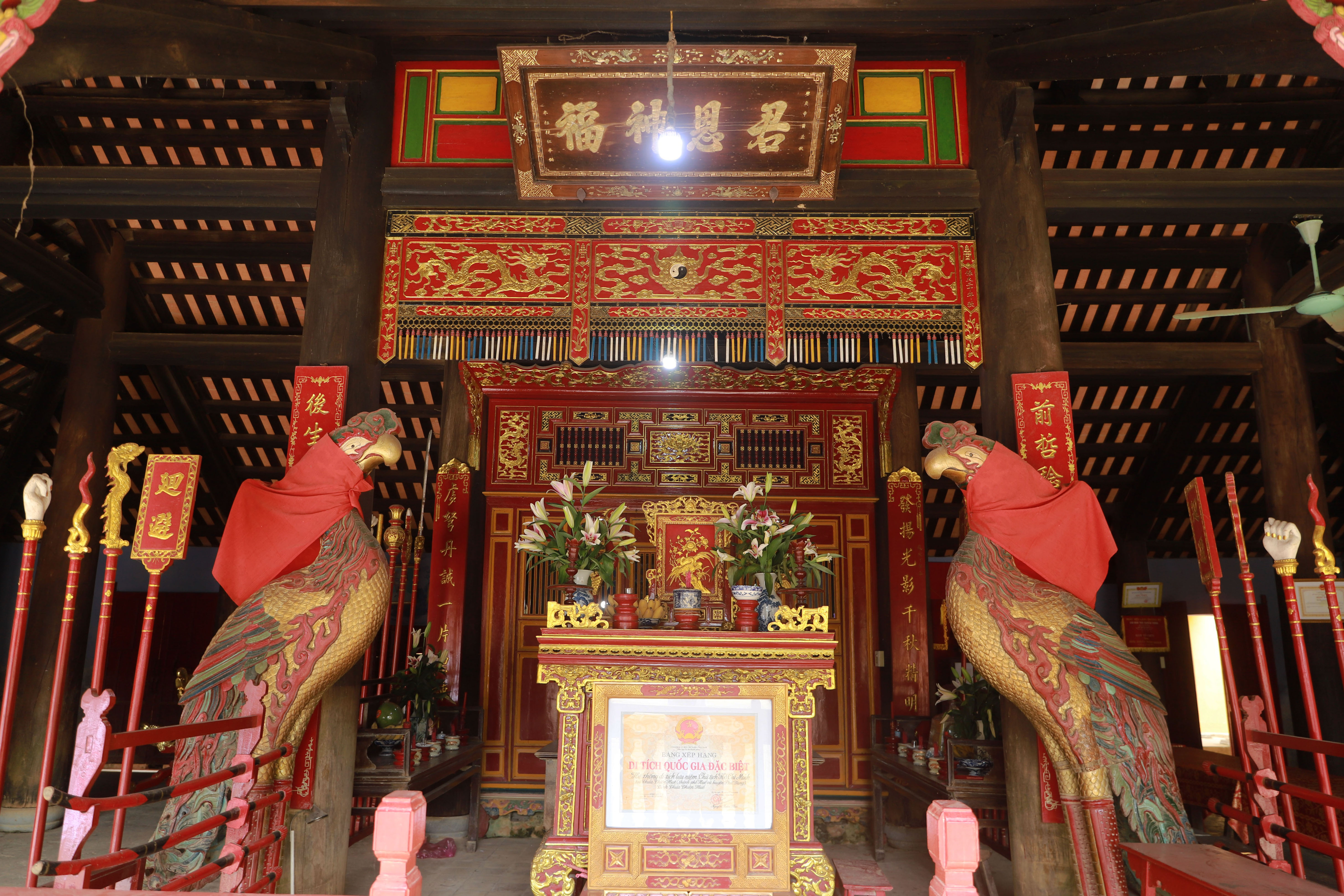 |
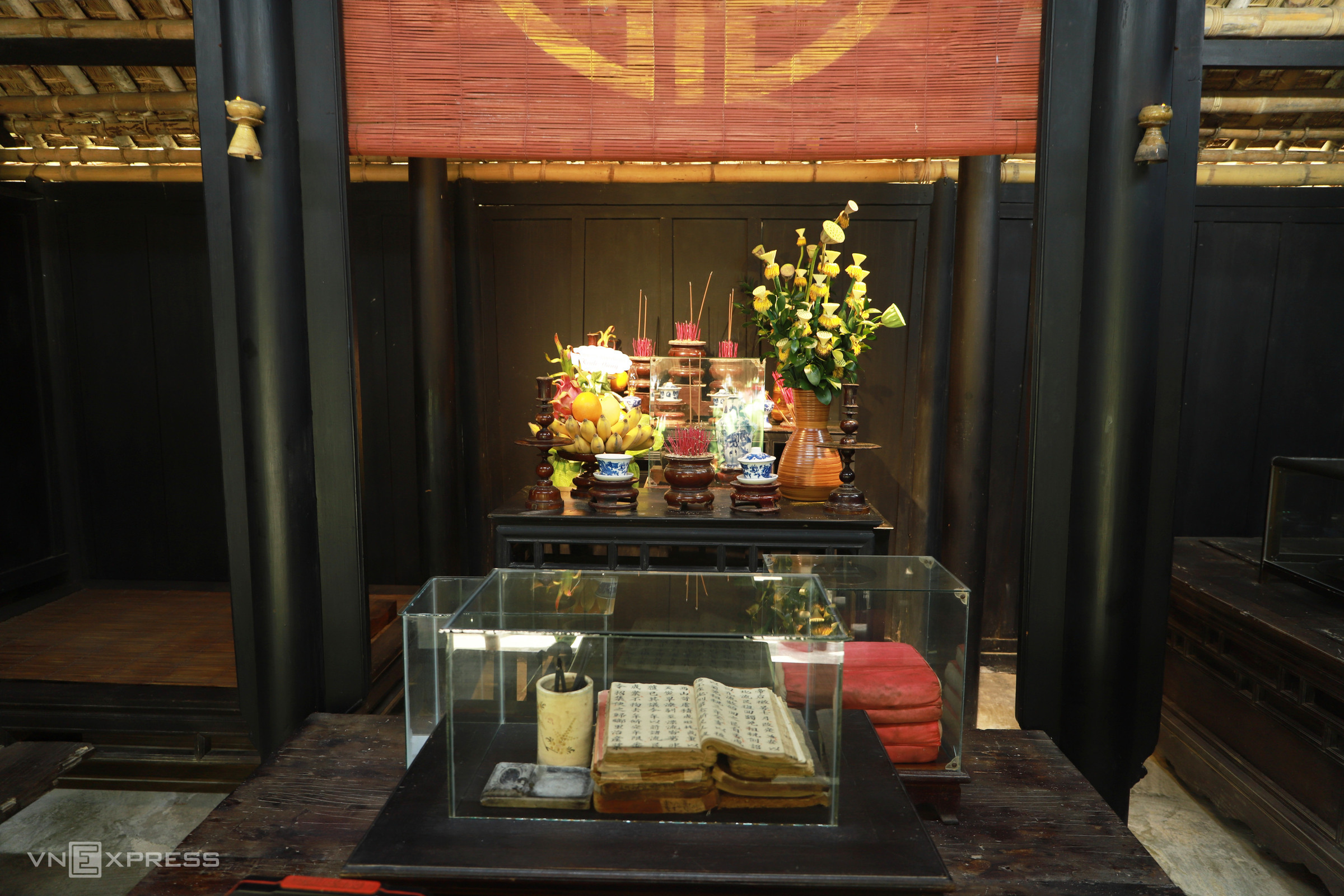
The main area of President Ho Chi Minh's childhood memorial house features an altar and displays artifacts related to his youth. |
 |
The main kitchen space recreates the daily life of President Ho Chi Minh's family at that time. Many artifacts related to the family's activities are also displayed in the house. |
 |
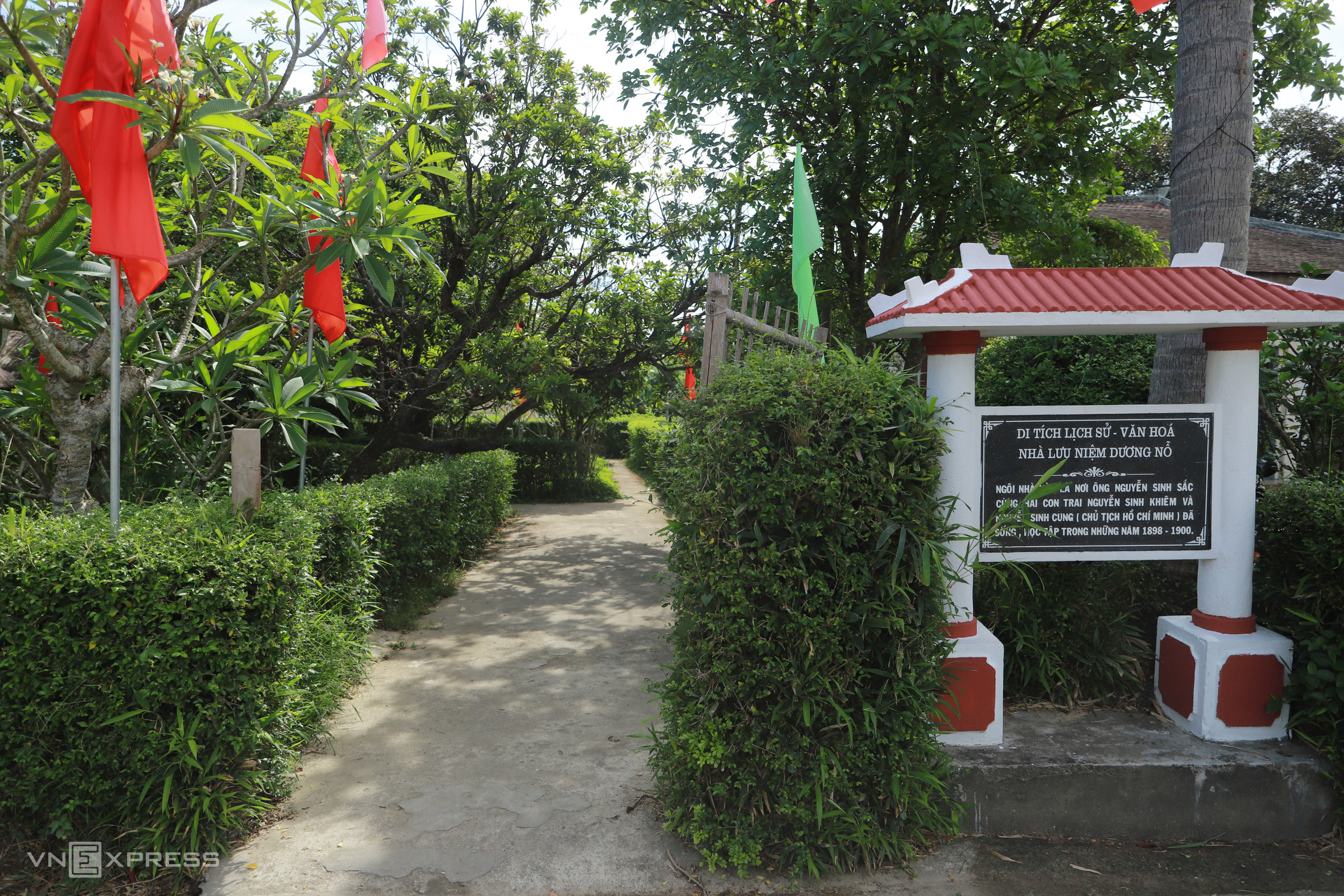
The entrance to the memorial house is lined with a lush green tea fence, a traditional fence style for many families in old Hue. |
Approximately 300 meters from the communal house is the memorial house connected to the youth of President Ho Chi Minh and his family.
In 1898, after failing the national examination for the second time, Mr. Nguyen Sinh Sac was invited by Mr. Nguyen Si Do to teach in Duong No village. Mr. Do's family provided a three-compartment, two-lean-to thatched house for the father and his three sons, also serving as a classroom.
Here, young Nguyen Sinh Cung and his elder brother Nguyen Sinh Khiem received their initial Chinese character lessons directly from their father.
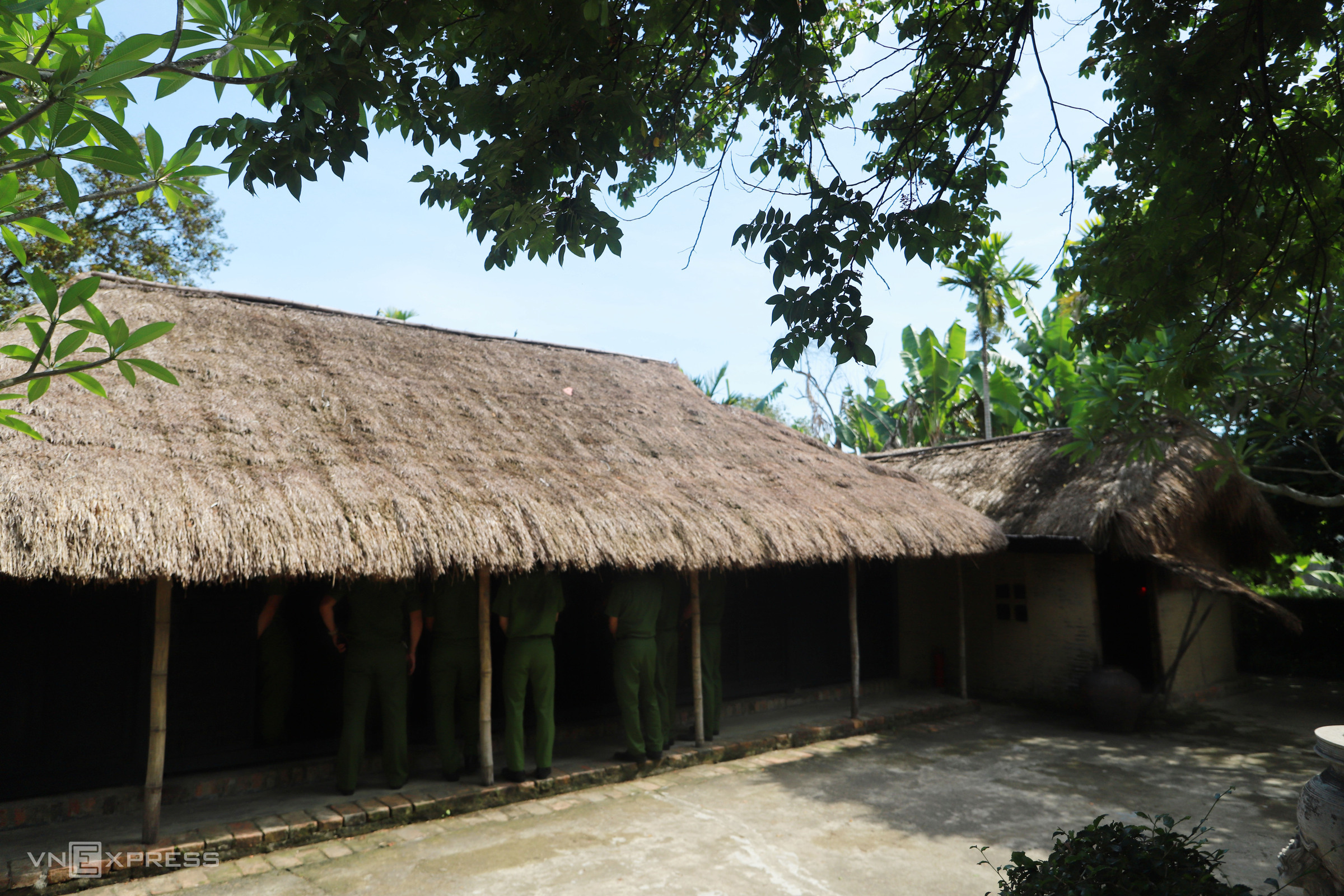 |
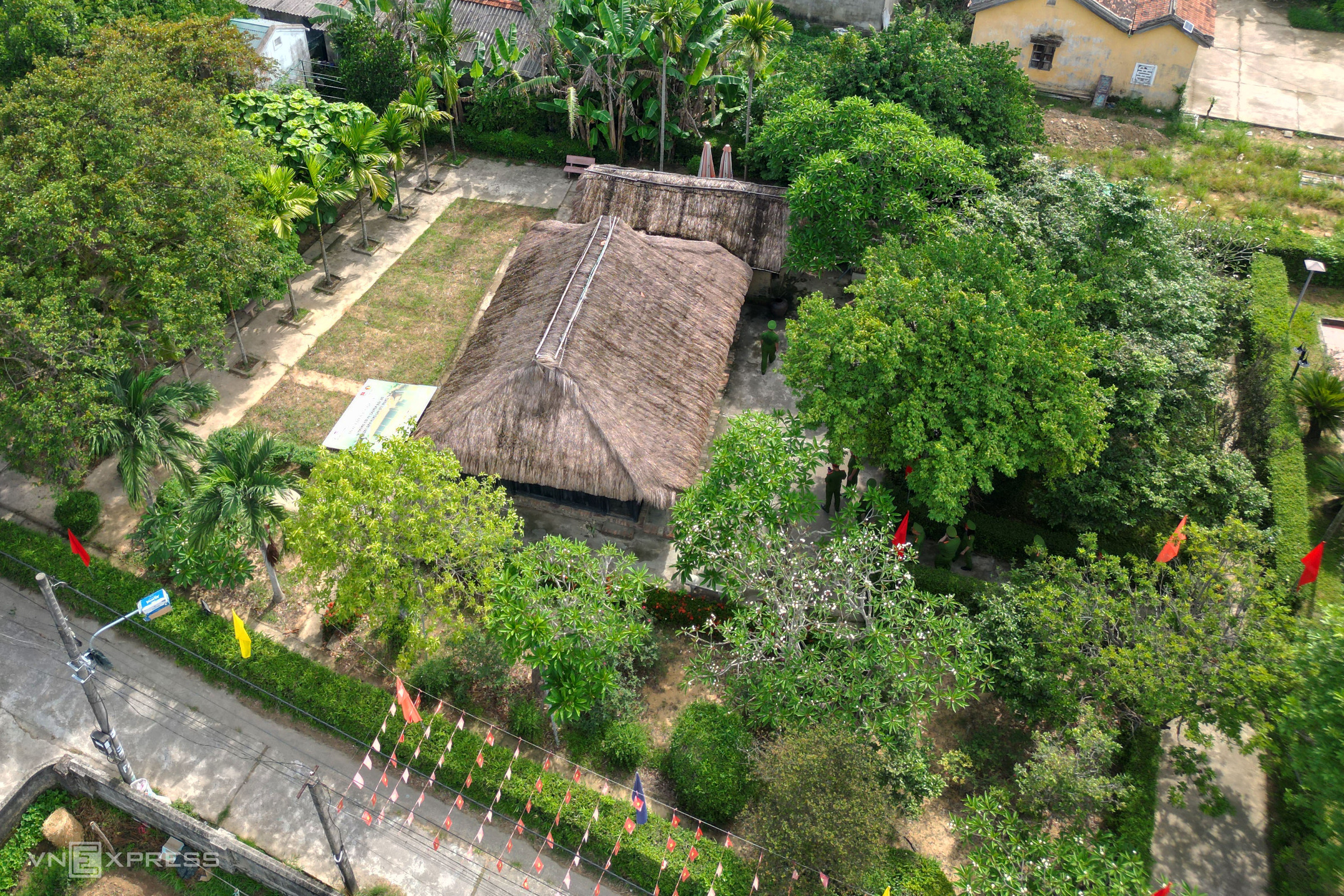
The three-compartment, two-lean-to thatched house, where President Ho Chi Minh's family once resided, was recognized as a national historical and cultural relic by the Ministry of Culture and Information, now the Ministry of Culture, Sports and Tourism, on 27/3/1990. On 31/12/2020, the Prime Minister classified it as a special national relic.
For many years, the house has served as a significant site for revolutionary tradition education, helping younger generations understand President Ho Chi Minh's educational journey and childhood years in Hue.
 |
 |
 |
About 700 meters from the memorial house is Am Ba relic, located by the Pho Loi river. According to local records, young Nguyen Sinh Cung often came here to relax, read, and study during his family's stay in Duong No village.
President Ho Chi Minh was born on 19/5/1890 in Hoang Tru village, Kim Lien commune, Nghe An province. Throughout his childhood and formative years, he lived and studied for many years in Hue. This city is considered to have significantly influenced the development of his patriotic ideology and his later ambition to save the nation. This year marks the 136th anniversary of President Ho Chi Minh's birth, with numerous commemorative activities, exhibitions, and political and cultural events held nationwide.
Vo Thanh