Bui Nhat Phuong, deputy head of the Ca Mau provincial Sub-Department of Sea, Islands and Fisheries Resources Surveillance, announced this information on 24/7. The findings emerged from a joint survey conducted by the sub-department and the Center for Marine Life Conservation and Community Development, which assessed fishery resources and biodiversity within the marine protected area.
During the survey, experts confirmed the presence of Pocillopora damicornis and Porites lobata. These two species are on Vietnam's list of rare aquatic species threatened with extinction, requiring protection, restoration, and development.
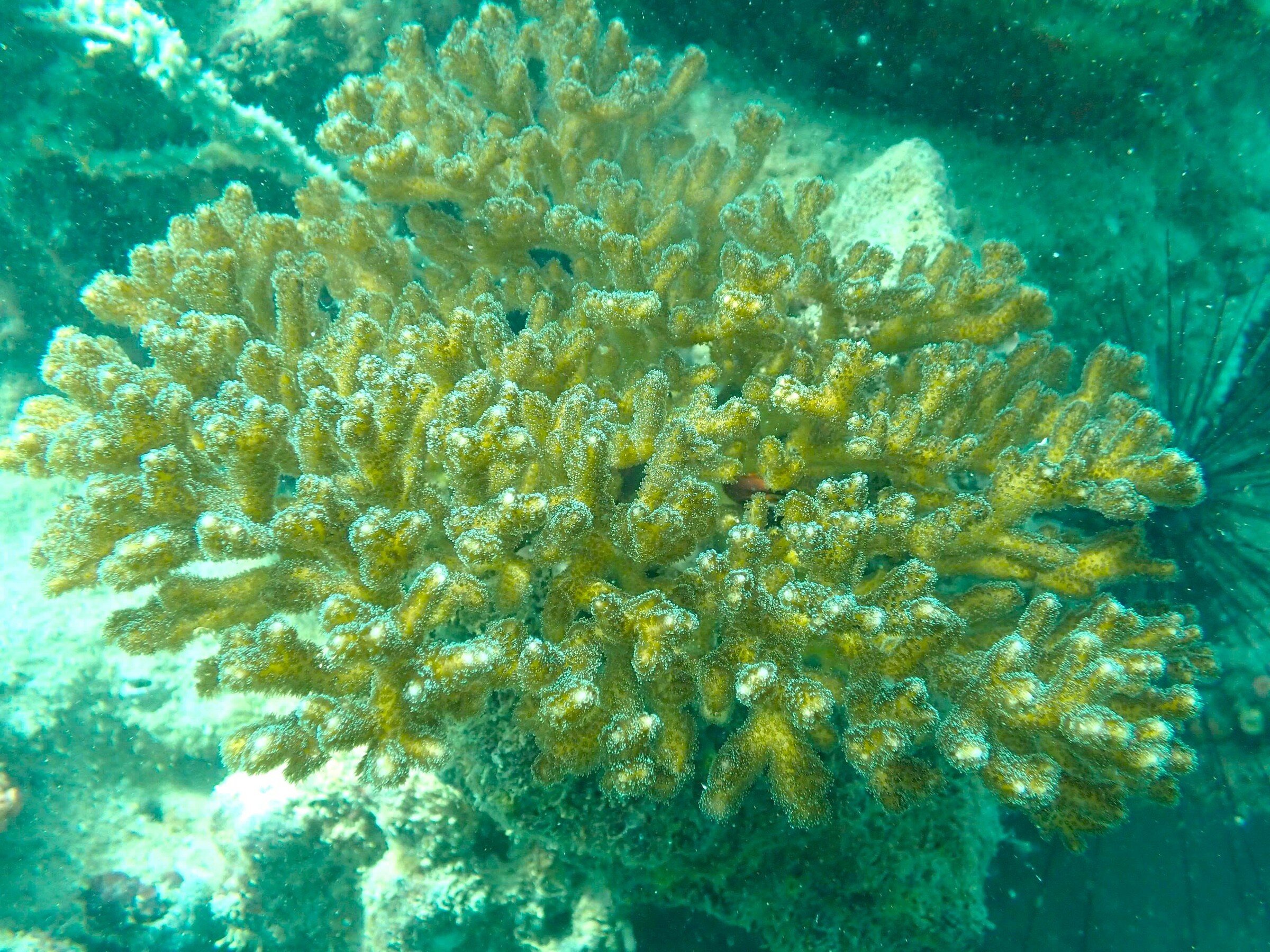 |
Pocillopora damicornis. Photo: Sub-Department of Sea, Islands and Fisheries Resources Surveillance |
Pocillopora damicornis, a branching coral, can form clusters several meters wide. This species is found on reefs from central Vietnam to the southern sea regions, the southwestern islands, and the Hoang Sa and Truong Sa archipelagos.
Porites lobata, a massive coral, typically forms large, lobed colonies with undulating surfaces. This species has been recorded in many Vietnamese sea areas, including the southwestern islands and the Truong Sa archipelago.
According to the survey unit, these two species have small wild populations and were historically exploited for lime production, construction materials, and decoration. Their discovery highlights the significant biodiversity value of the Hon Hang sea area, emphasizing the need for its protection to maintain the ecosystem.
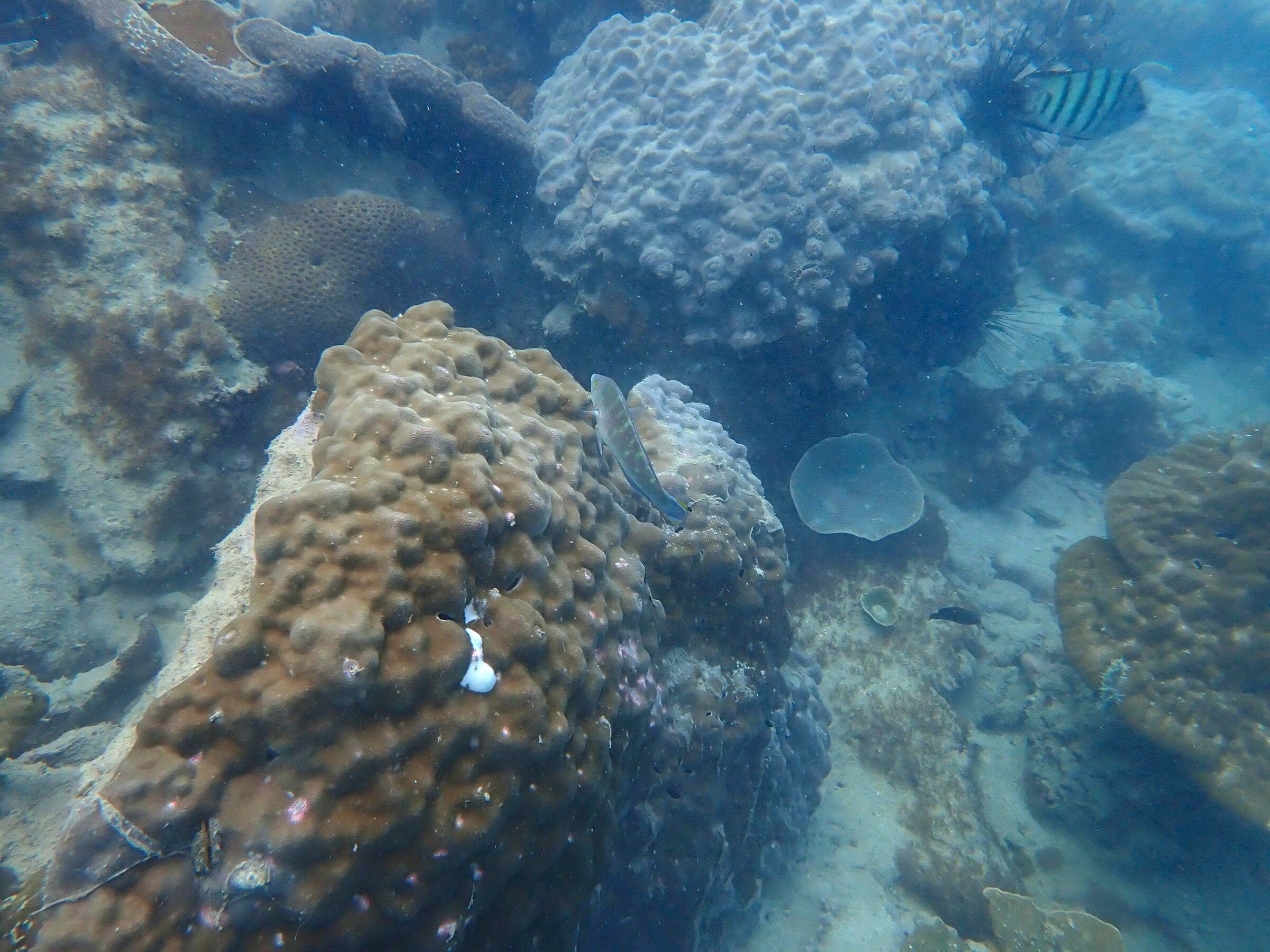 |
Porites lobata Dana. Photo: Sub-Department of Sea, Islands and Fisheries Resources Surveillance |
To define the boundaries and enhance management of the protected area, the Ca Mau Provincial People's Committee (PPC) approved a project to install 200 specialized boundary buoys, with a total budget of 18 billion VND. The Sub-Department of Sea, Islands and Fisheries Resources Surveillance is currently finalizing consulting and construction procedures, with completion expected in 2026.
This buoy system will delineate functional zones, helping to prevent unauthorized entry, exploitation, or detrimental impacts on the marine ecosystem.
The Ca Mau Marine Protected Area, established in 2024, spans 27,000 hectares. It comprises: 2,800 hectares for strict protection, 11,230 hectares for ecological restoration, 3,970 hectares for service and administration, and a 9,000-hectare buffer zone. The protected area encompasses the island clusters of Hon Khoai, Hon Chuoi, and Hon Da Bac.
Chuc Ly