During a working session with Deputy Prime Minister Pham Thi Thanh Tra on the afternoon of 17/4, Minister of Health Dao Hong Lan announced Vietnam's intention to participate in international clinical trials for mRNA cancer treatment vaccines and new generation vaccines. The health sector will also continue to research and master advanced technologies, including: CAR-T cell immunotherapy, stem cells, 3D printing in orthopedic trauma, and artificial intelligence applications in gene sequencing for cancer treatment and prenatal screening.
Cancer vaccines empower the immune system to recognize and attack cancer cells, according to Minister Dao Hong Lan. These vaccines come in two forms: preventive and therapeutic, with therapeutic vaccines offering personalized treatment for each patient. While some trials have shown efficacy, the field still faces challenges related to cost, clinical trials, and regulatory approval.
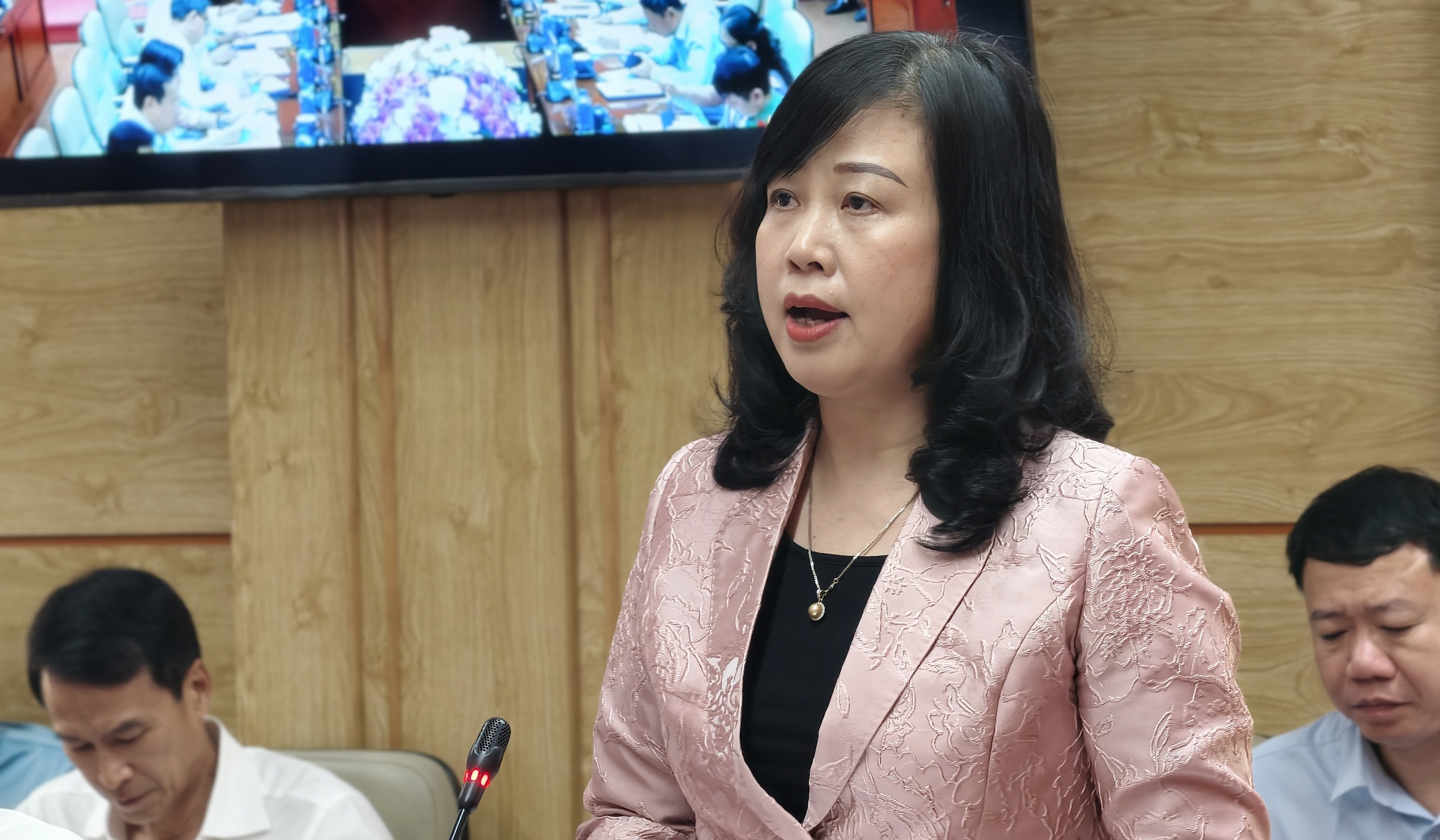 |
Minister of Health Dao Hong Lan speaking at the working session with Deputy Prime Minister Pham Thi Thanh Tra, afternoon 17/4. *Photo: Thu Giang* |
Minister of Health Dao Hong Lan also outlined targets for 2025, including: over 95% health insurance coverage and a ratio of 15 doctors per 10,000 citizens. Many advanced medical techniques in Vietnam are already nearing international standards.
The Ministry of Health is developing a phased plan to implement free hospital fees and pilot health insurance coverage for early disease screening and diagnosis services. Currently, 75% of hospitals have adopted electronic medical records, with 34,3 million electronic health records established on the VNeID platform. A national health database is also planned for development.
The health sector also plans to invest in developing 5 key medical and pharmaceutical universities, with a proposal to be submitted to the Prime Minister for approval in Q4/2026.
Deputy Prime Minister Pham Thi Thanh Tra emphasized the importance of improving remuneration for healthcare staff, particularly those at the grassroots level. She also urged the Ministry of Health to conduct a comprehensive review of resources. This review should clearly differentiate between the self-funded operations of medical facilities and the state budget allocation prioritized for epidemic prevention, preventive medicine, and primary healthcare.
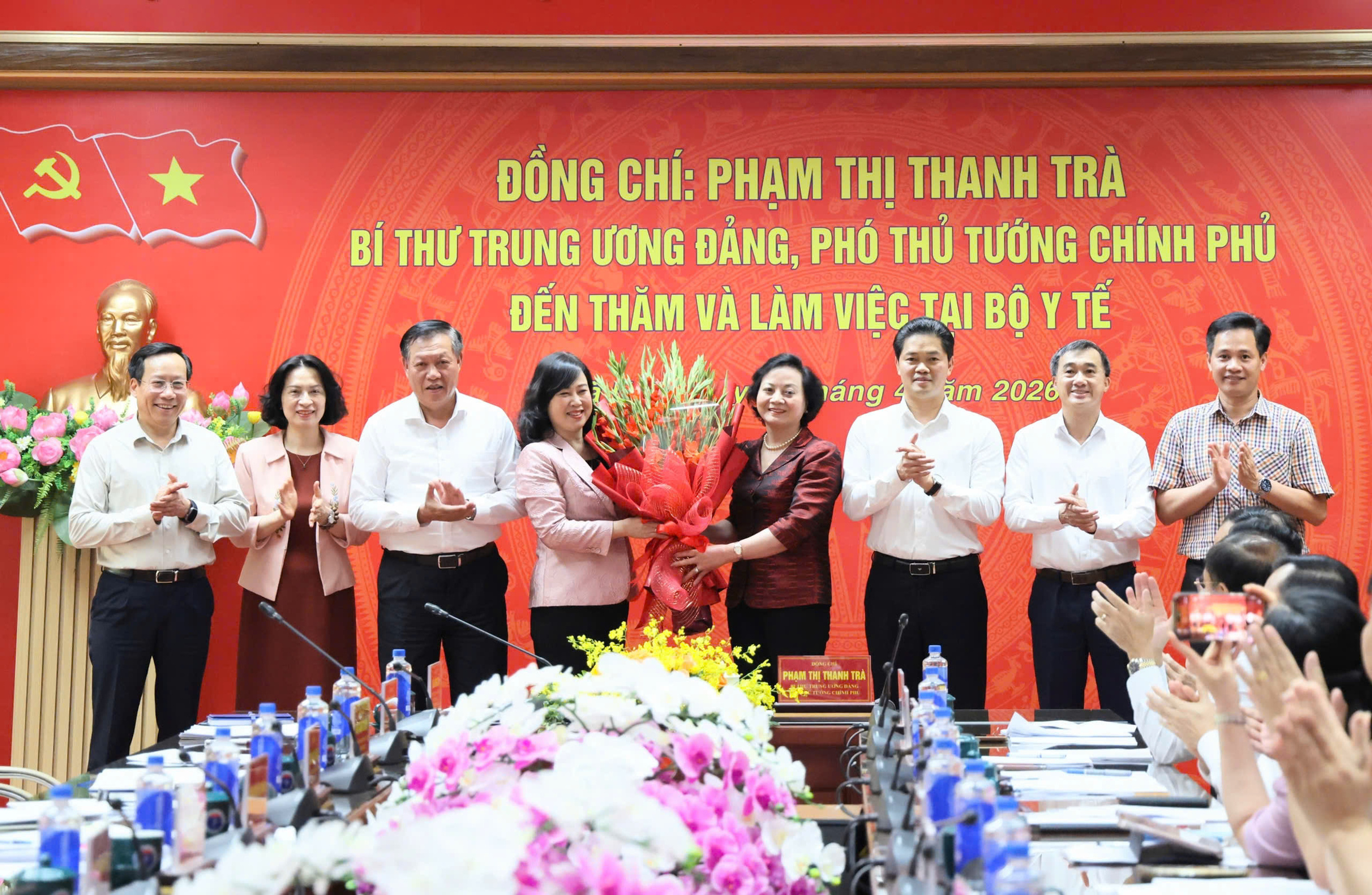 |
Deputy Prime Minister Pham Thi Thanh Tra and leaders of the Ministry of Health, afternoon 17/4. *Photo: Thu Giang* |
The Deputy Prime Minister called for the health sector to develop a long-term human resource strategy. This strategy should include financial support for medical students who commit to working in healthcare facilities. Furthermore, she stressed the need to expedite the completion of electronic medical records and their integration with the national population database. This integration will facilitate public health management, monitoring, and assessment, particularly for routine health check-ups and disease screening.
"The health sector must shift decisively from treatment to prevention, moving towards the goal of providing free regular health check-ups and screening for all citizens", the Deputy Prime Minister stated. She also demanded a thorough resolution to the ongoing shortages of medicines and medical supplies.
Another urgent task involves preparing Bach Mai 2 and Viet Duc 2 Hospitals for operation, ensuring both immediate and long-term human resources. The Deputy Prime Minister also called for robust mechanisms to foster private sector development and accelerate healthcare socialization. This approach aims to alleviate the burden on the public sector and enhance the efficiency of healthcare service delivery.
Vu Tuan