On 11/7, the Office of the Party Central Committee announced the conclusions of General Secretary and President To Lam from a specialized session on digital transformation within the political system.
According to the conclusions, digital transformation within the political system has achieved positive results over one year since the implementation of Resolution 57. Awareness across all levels has improved; institutions and policies are gradually being refined; and several laws concerning data, digital transformation, and artificial intelligence (AI) have been enacted. Key digital platforms and databases have been developed and are operational. The processing of electronic documents, online meetings, provision of online public services, and the utilization of citizen data and digital identity are becoming increasingly efficient.
However, the General Secretary and President noted that resources allocated for digital transformation have not been fully utilized. The disbursement rate has only reached over 12,2%, which is lower than the national average for public investment capital. Despite significant investments in numerous systems, platforms, and databases, data interoperability, sharing, and utilization remain limited.
At the commune level, many software applications and databases are fragmented and lack connectivity. Officials are often required to use multiple systems deployed by both central and local agencies, leading to overlaps, increased workloads, and affecting the quality of services provided to citizens and businesses. This situation reflects fragmented investment, a lack of standardization, and unclear responsibilities for system integration and shared usage.
The General Secretary and President urged agencies to swiftly resolve all overdue tasks and pending documents, and to accelerate the development and utilization of shared data and platforms. Data must be managed, connected, and shared according to the principles of being "accurate, sufficient, clean, live, unified, and shared," thereby creating practical value for citizens and businesses.
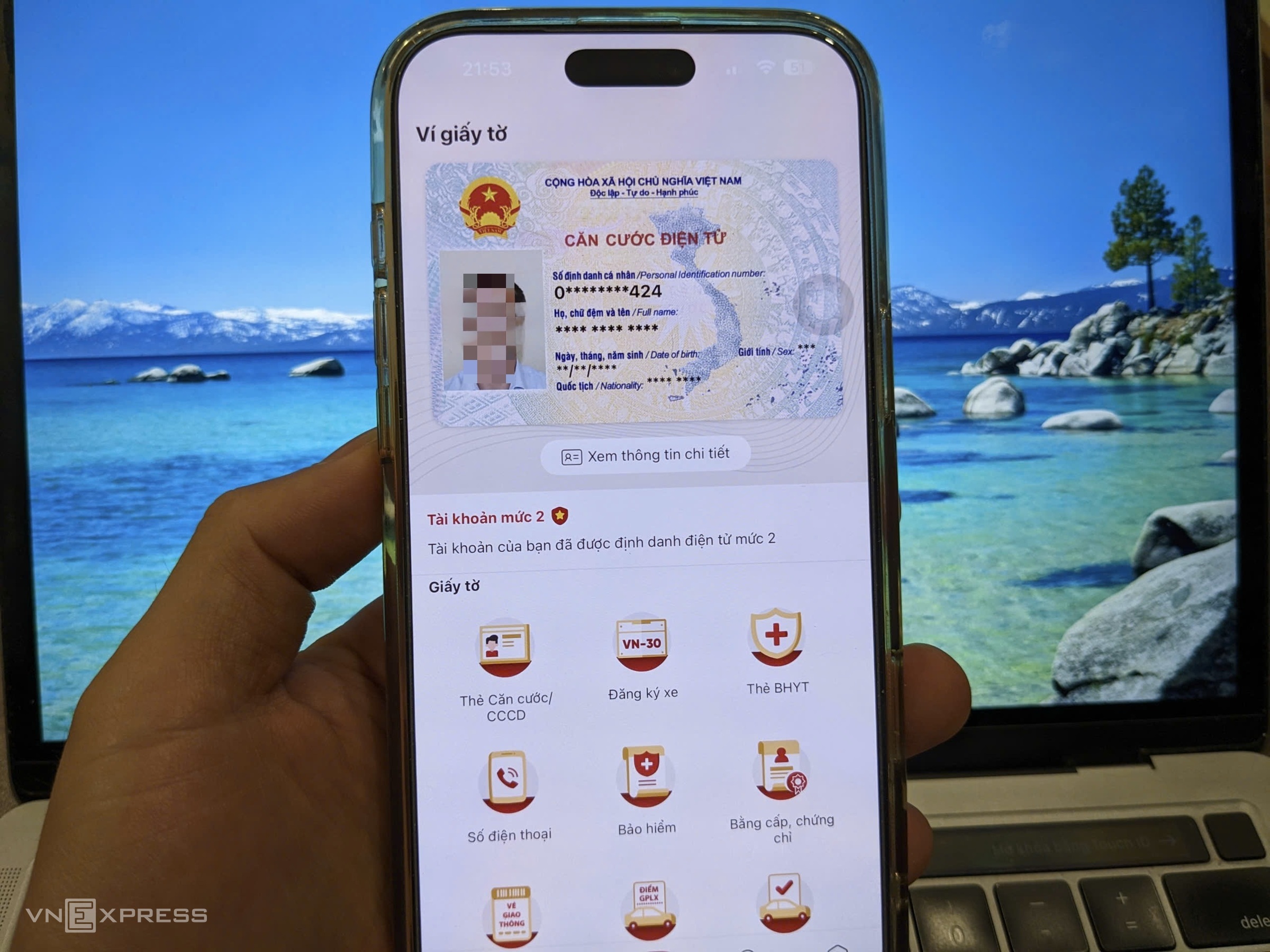 |
VNeID application, 5/2026. Photo: Viet Tuan |
Agencies are also tasked with continuing to implement the identification of vehicles and unmanned aerial vehicles (UAVs), and to promptly connect VNeID with the digital identity systems of Singapore and other ASEAN countries.
Digital infrastructure, from central to commune levels, must continue to be enhanced, ensuring adequate equipment, connectivity, platforms, and human resources for efficient operation. Administrative procedure reform needs to be integrated with digital transformation, completing the National Public Service Portal and not requiring citizens or businesses to resubmit information already available in reusable databases.
The conclusions also state that the quality of online public services must be assessed by actual usage, convenience, and the time and cost savings for citizens and businesses, rather than solely based on the number of procedures offered online.
The General Secretary and President emphasized that AI is an important supporting tool but does not replace human responsibility, authority, or decisions. The application of AI must be purposeful, within appropriate authority, responsible, and avoid misuse.
He also mandated that all information systems, databases, and digital platforms must be designed, built, and operated with security and safety ensured from the outset, strictly preventing national data, citizen data, and business data from being leaked, sold, or illegally exploited.
Vu Tuan