Three years ago, when his locality prepared to elect a village head, Tran Quang Tuan, then just 23 years old, did not expect to be nominated.
As one of the youngest party members in Hai Trang Due village, Hai Phong, he was chosen by the party cell with the expectation of developing a new generation of officials. "I was very worried because I thought I was too young and didn't know if I could handle the responsibilities of an entire village," Tuan recalled.
Encouragement from senior party members and the trust of residents helped the young man, a recent graduate of Hai Phong University, confidently run and win the election. Following an administrative unit reorganization, Tuan continued his role as residential group leader of Trang Due 1, overseeing nearly 700 households and more than 2,300 residents.
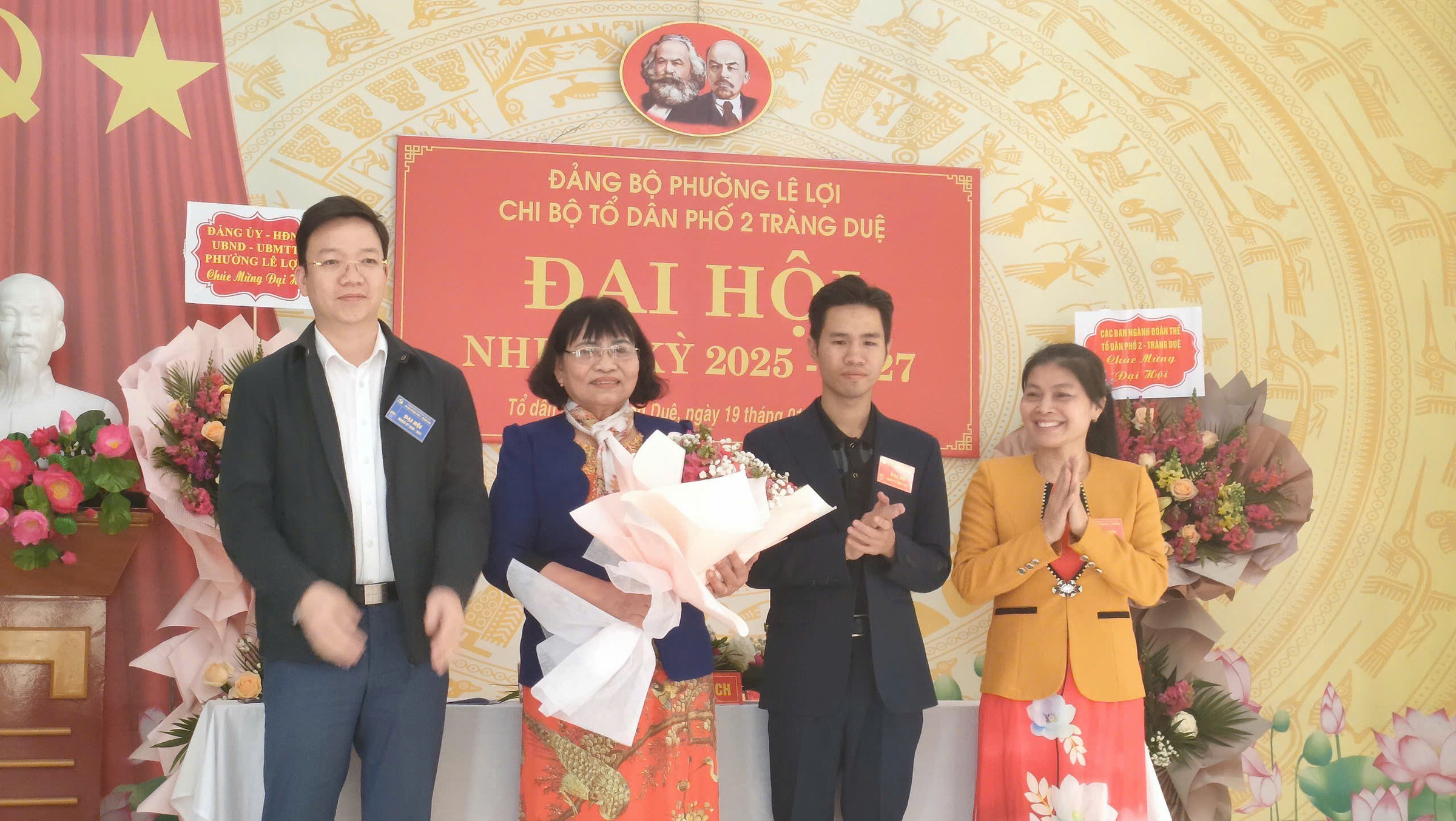 |
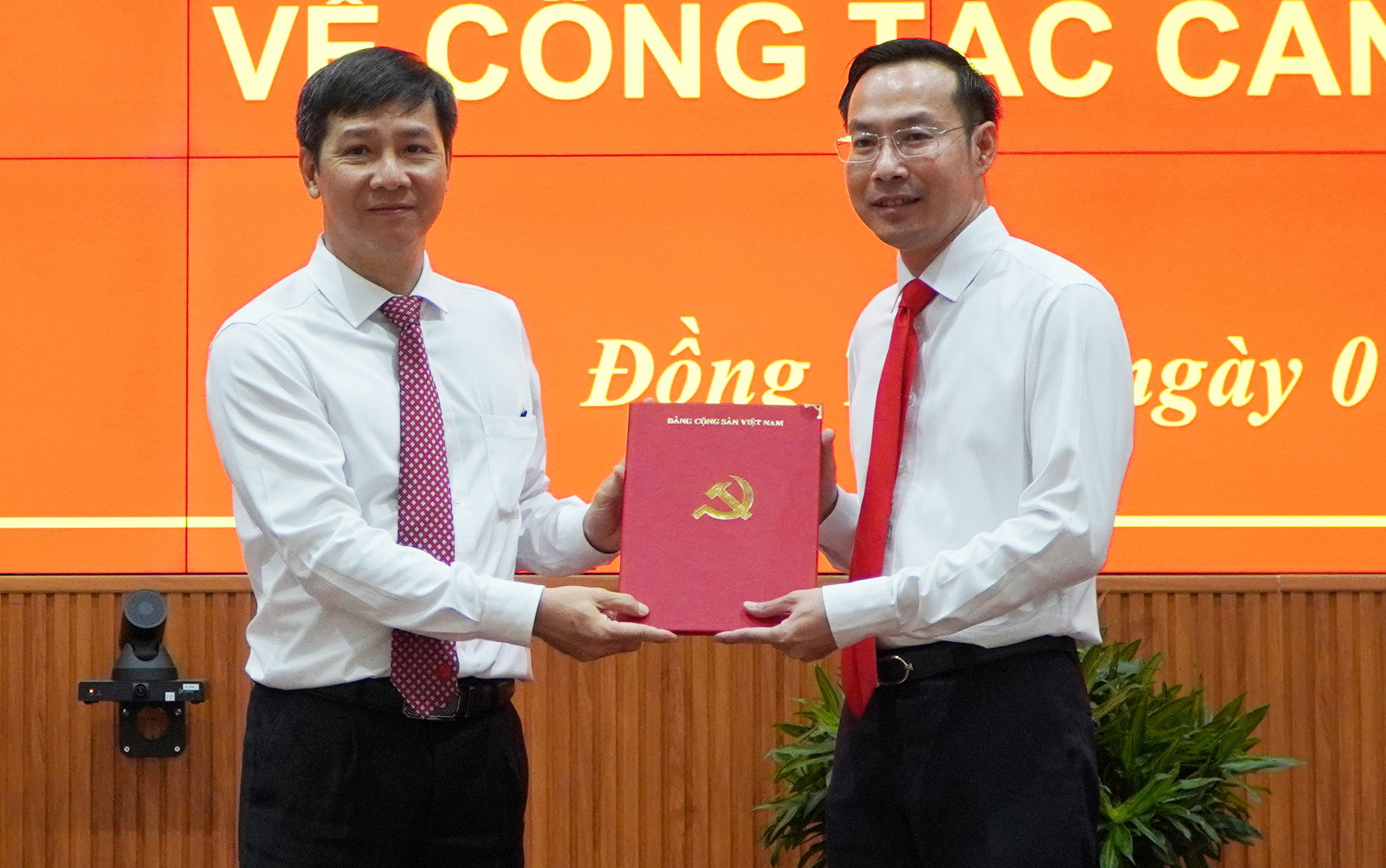
Nguyen Quang Tuan, residential group leader of Trang Due 2 (second from right), on the day his appointment was announced. *Photo provided by subject* |
In Lam Dong, Nguyen Thi Bao Nhi also received encouragement from local residents when she expressed her desire to participate in grassroots work.
A 2001-born woman, she graduated with a degree in plant protection from the University of Agriculture and Forestry, TP HCM, and chose to return to her hometown to work at her family's cooperative instead of staying in the city. For the past four years, Nhi has been involved in agricultural production and has supported local farmers in adopting new techniques and diversifying crops.
Nhi said that many elderly residents in the village encouraged her to run for office because of her university education, enthusiasm for local activities, and close rapport with the community. A video she shared on social media expressing her aspirations later garnered significant support.
"I believe young people certainly cannot match the experience of older generations," Nhi stated. "However, knowledge, technology, and youthful energy are also advantages we can leverage to contribute."
A common thread for both is that they do not view youth as an absolute advantage. They acknowledge their lack of experience and prestige compared to their predecessors but believe they can compensate with a strong learning spirit, close ties to residents, and technological proficiency.
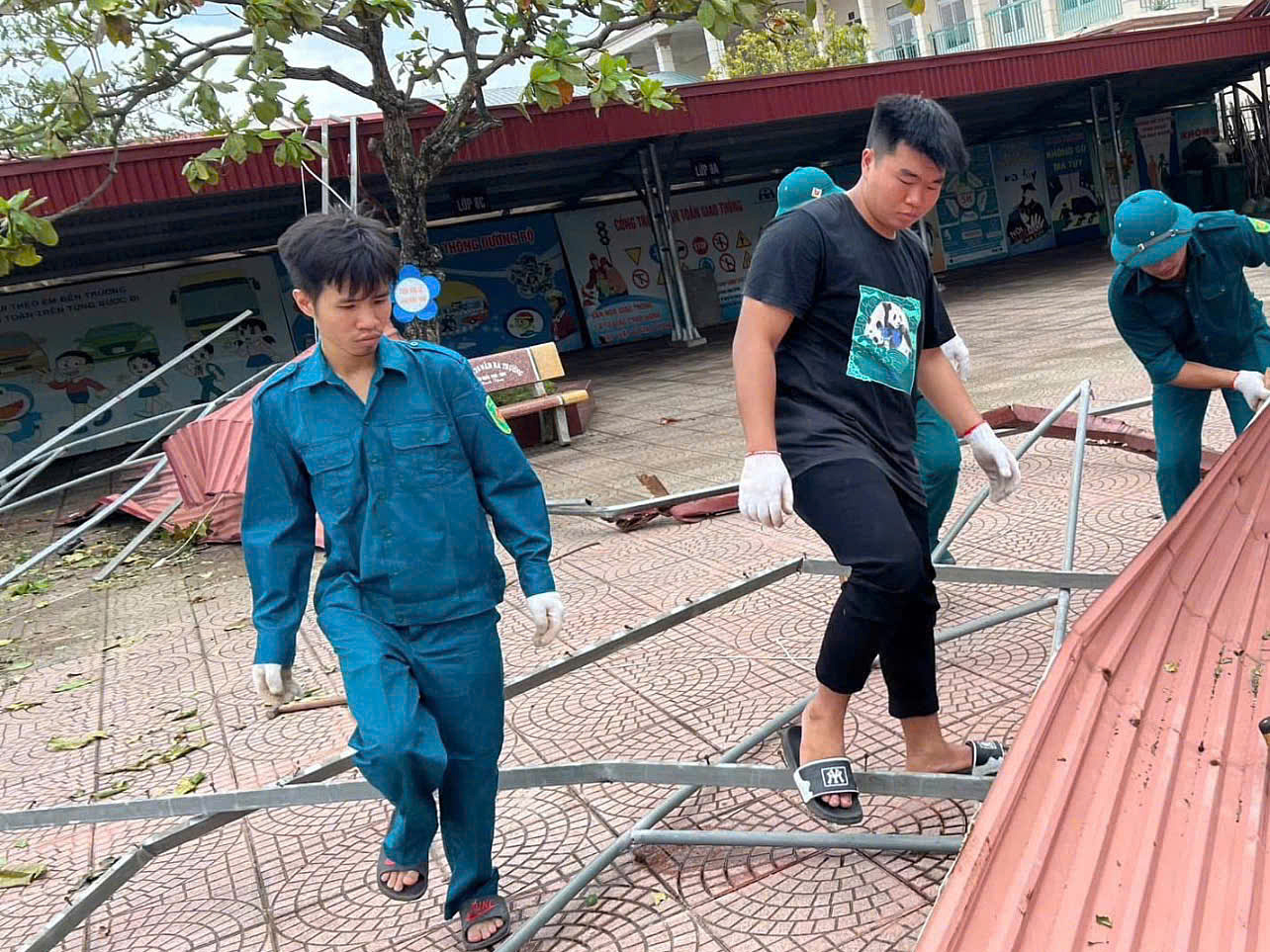 |
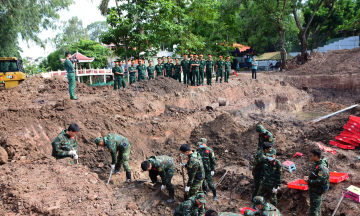
Nguyen Quang Tuan, residential group leader of Trang Due 2 (left), participates in post-typhoon Yagi recovery efforts in 2024. *Photo provided by subject* |
In the initial days of his tenure, Tuan faced considerable skepticism. Some believed that a young man in his early 20s lacked sufficient experience to manage the affairs of an entire residential area. Instead of offering explanations, he chose to visit each household, listen, and address specific issues. "When you solve problems residents are facing, they gradually change their perception," Tuan explained.
Three years of grassroots work helped him realize that the responsibilities of a village head or residential group leader are quite different from what many imagine. Beyond disseminating policies, much of the time is dedicated to mediating conflicts within the community, mobilizing residents to donate land for road construction, receiving feedback, and facilitating communication between the government and the people.
According to Tuan, grassroots workers must understand the circumstances of each household to address the everyday issues that are part of daily life.
For Nhi, her motivation to participate was not the title but a desire to contribute more to her hometown. She believes that young people have an advantage in helping residents access online public services, applying technology to production, and promoting digital transformation at the local level.
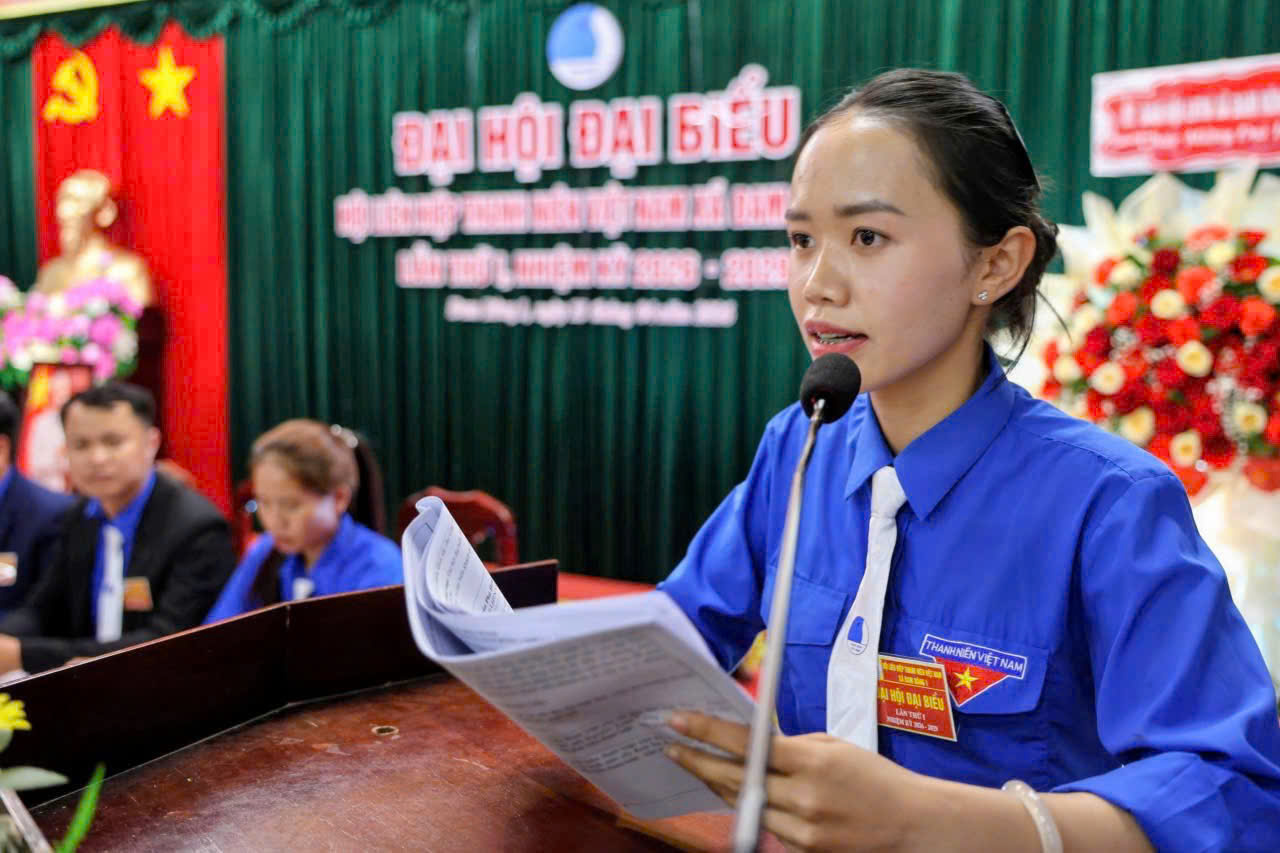 |
Nguyen Thi Bao Nhi participates in local youth union activities. *Photo provided by subject* |
Village heads and residential group leaders are directly elected by the residential community and recognized by the commune-level People's Committee (UBND) after winning elections. They serve as a bridge between the government and the people, organize community activities, disseminate policies, monitor living conditions, relay feedback, participate in mediation, and mobilize residents for socio-economic development.
According to Decree 185/2026, candidates must be at least 21 years old, reside permanently in the area, possess moral character, have credibility within the community, demonstrate organizational skills, ability to mobilize the masses, and practical experience. Additionally, the decree encourages individuals with suitable professional qualifications and adds requirements for information technology application skills, planning, synthesis, statistics, and reporting, meeting the demands of digital transformation at the grassroots level.
Son Ha