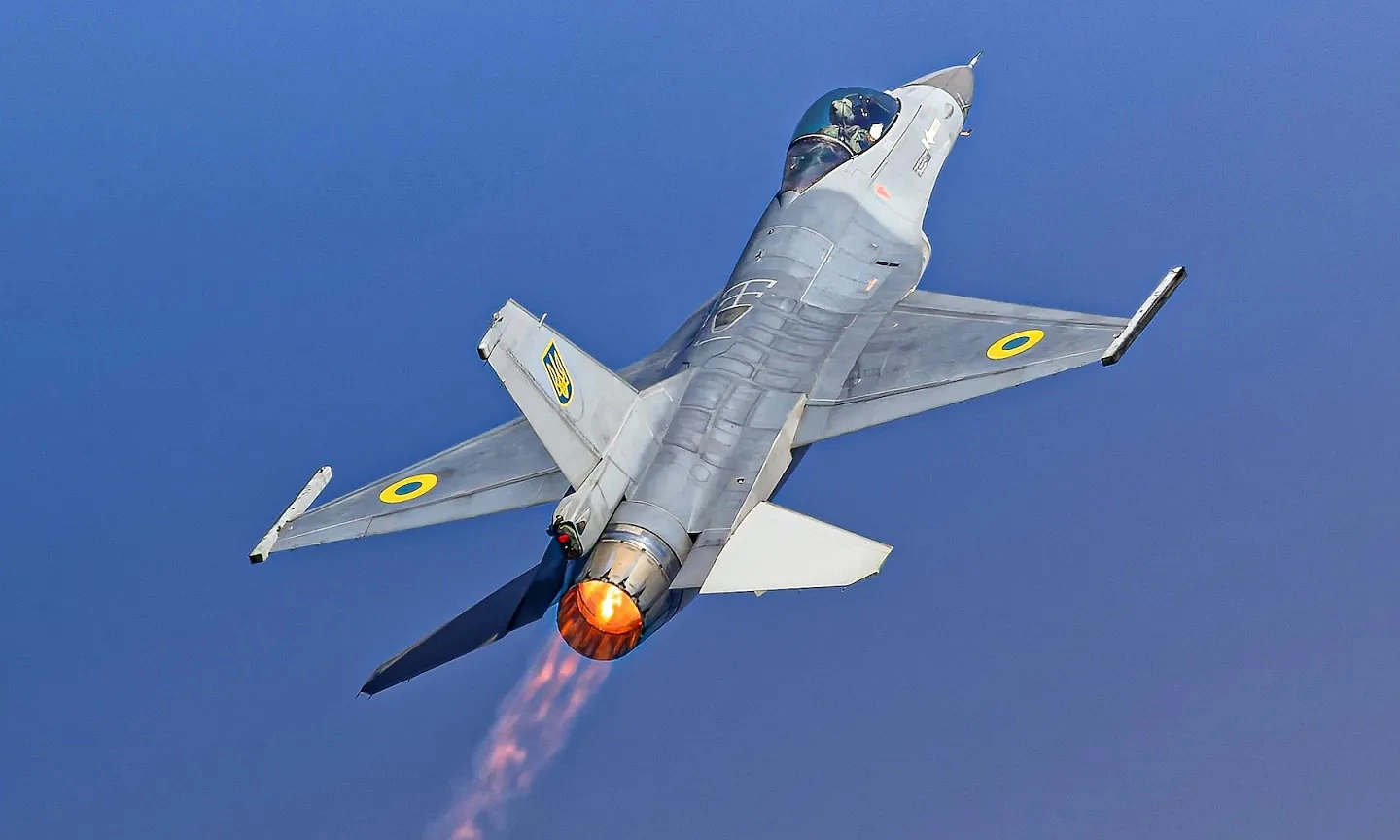
Russia releases video of Geran UAVs attacking airfields in Kyiv, destroying a MiG-29 fighter and a UH-60 helicopter belonging to Ukraine's military intelligence agency.
The International Energy Agency (IEA) warns that conflicts in the Middle East and Ukraine are stretching the global oil refining system "to its limit".
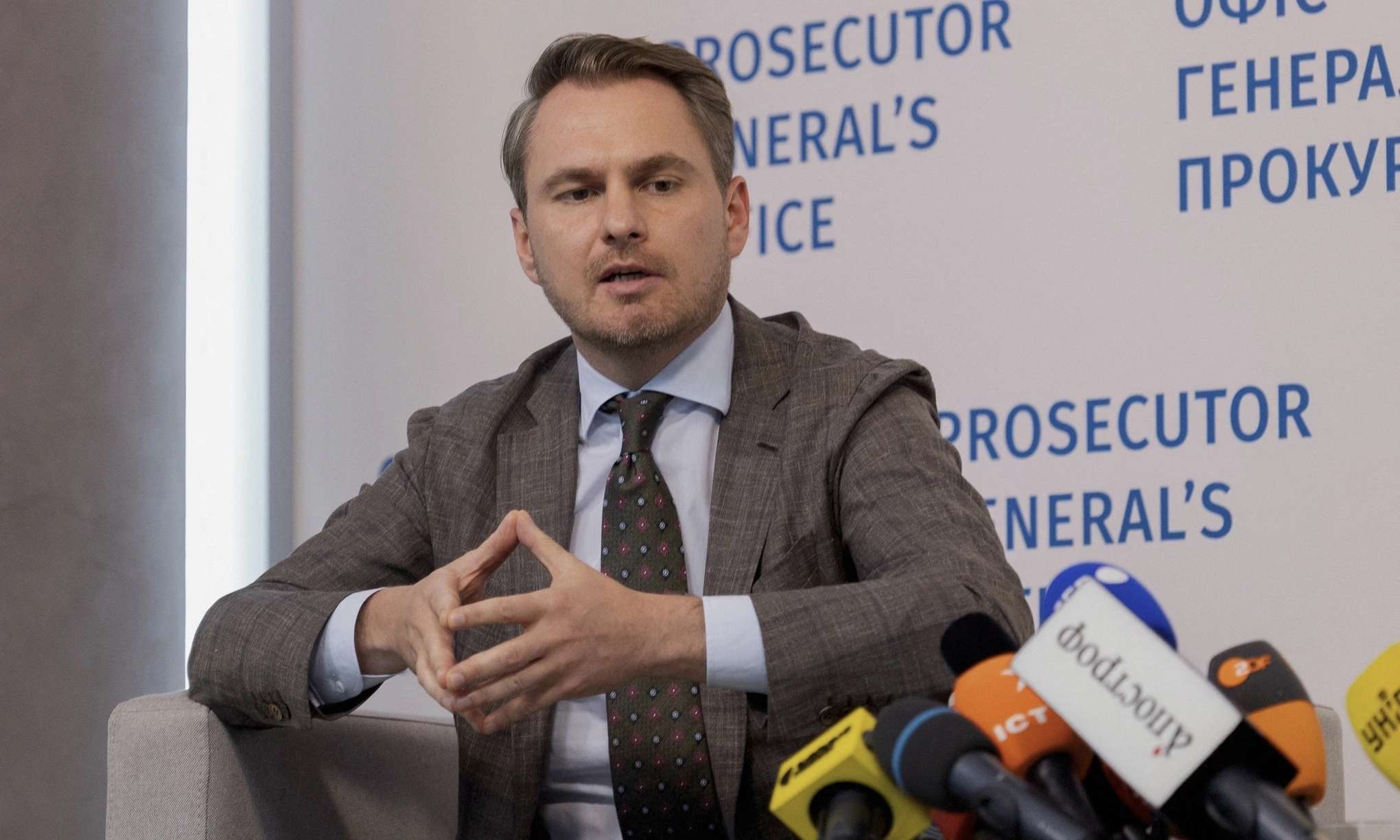
Ukraine's prosecutor general, Ruslan Kravchenko, has submitted his resignation after investigators searched his office last weekend over corruption allegations.
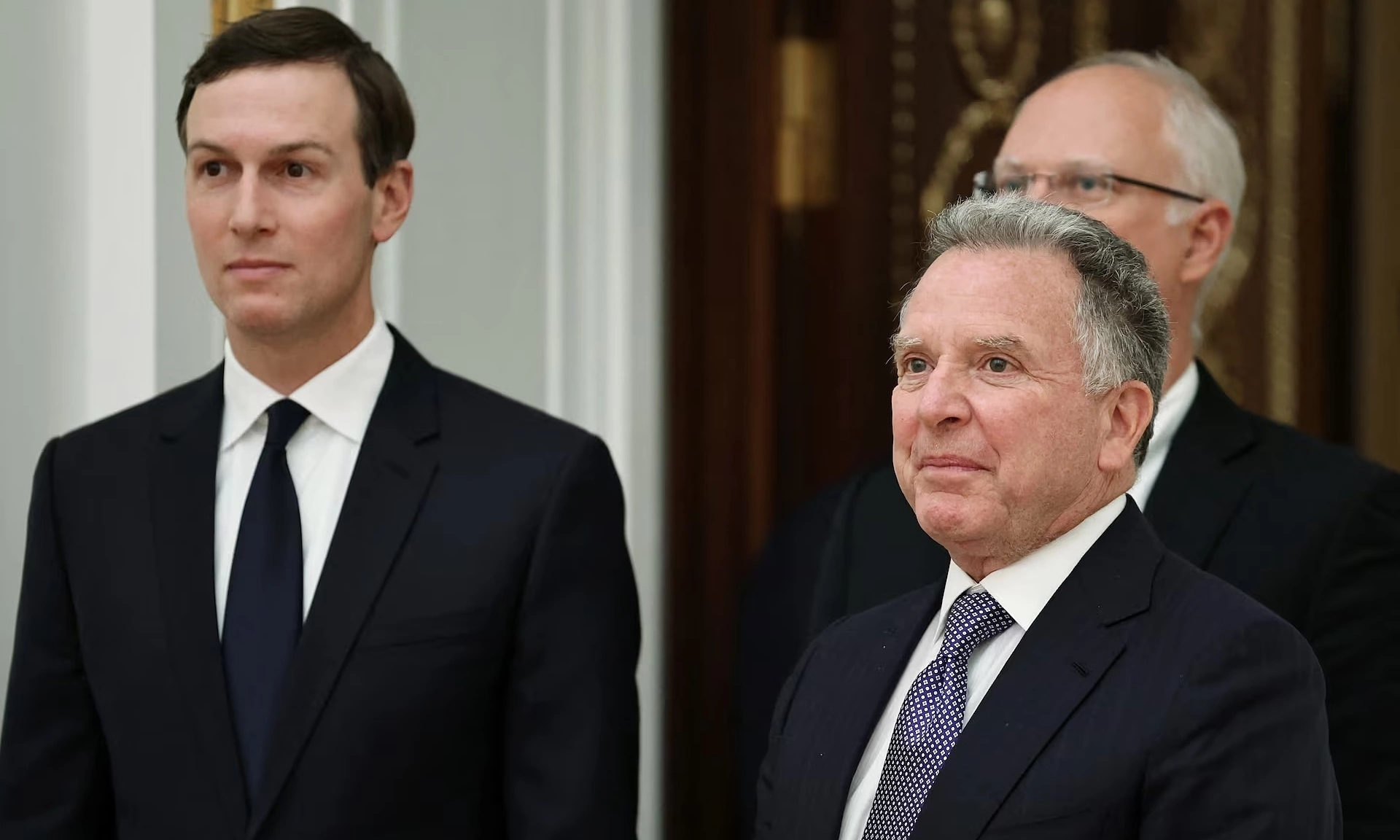
Putin has ordered a temporary halt to attacks on Kyiv for three days, coinciding with the arrival of US envoys in the Ukrainian capital to seek a peace solution.
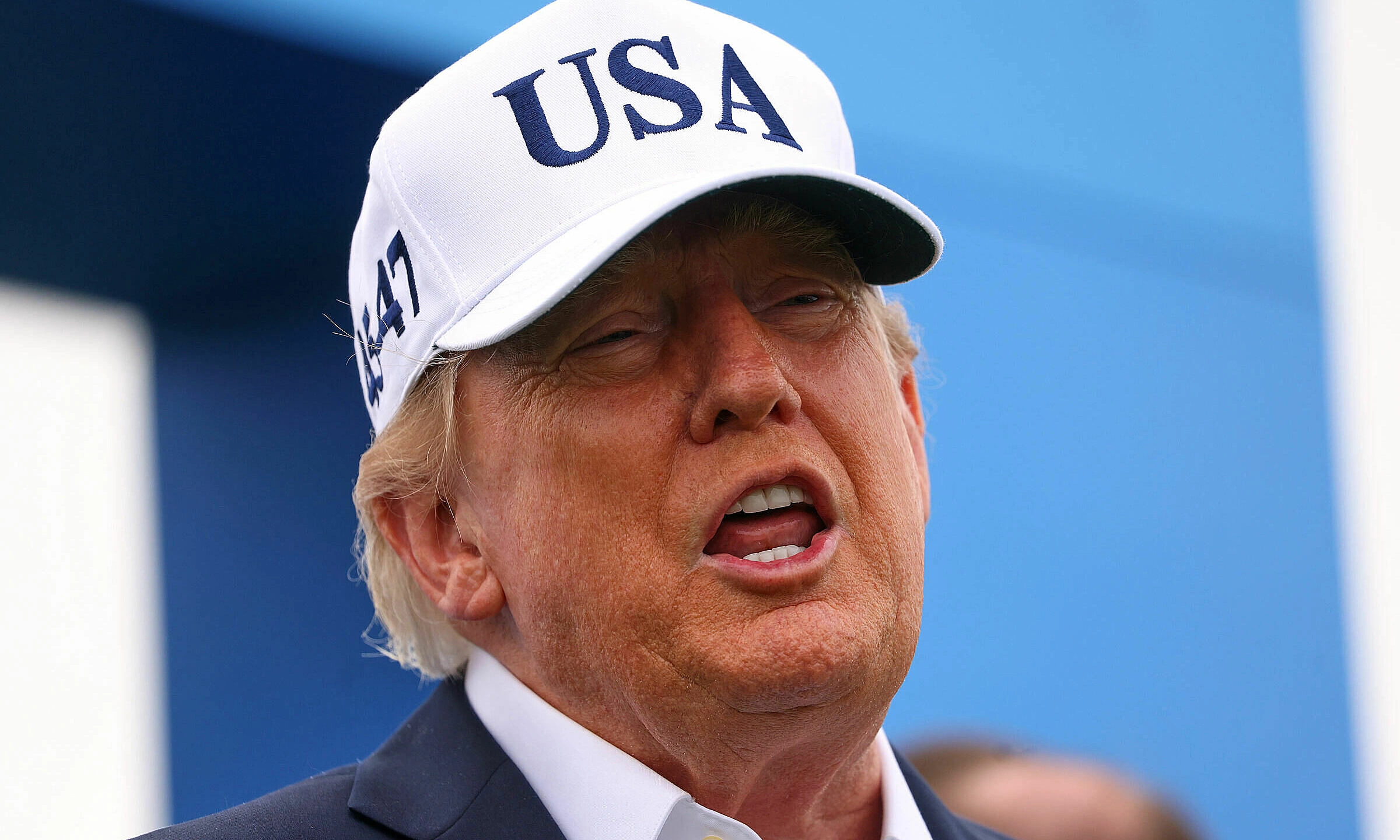
Trump announces he will demand European countries repay hundreds of billions of USD in aid the US provided to Ukraine during his predecessor Joe Biden's tenure.
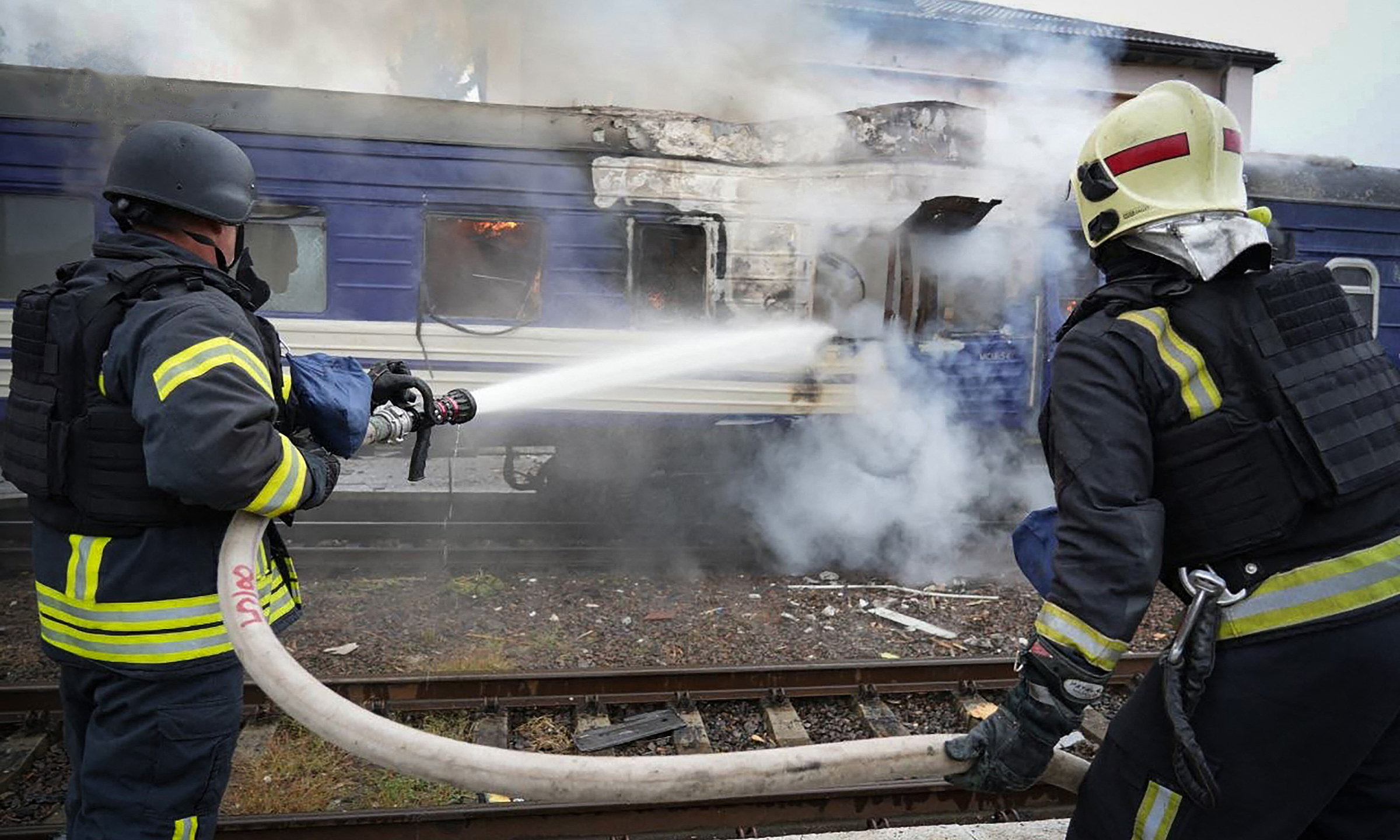
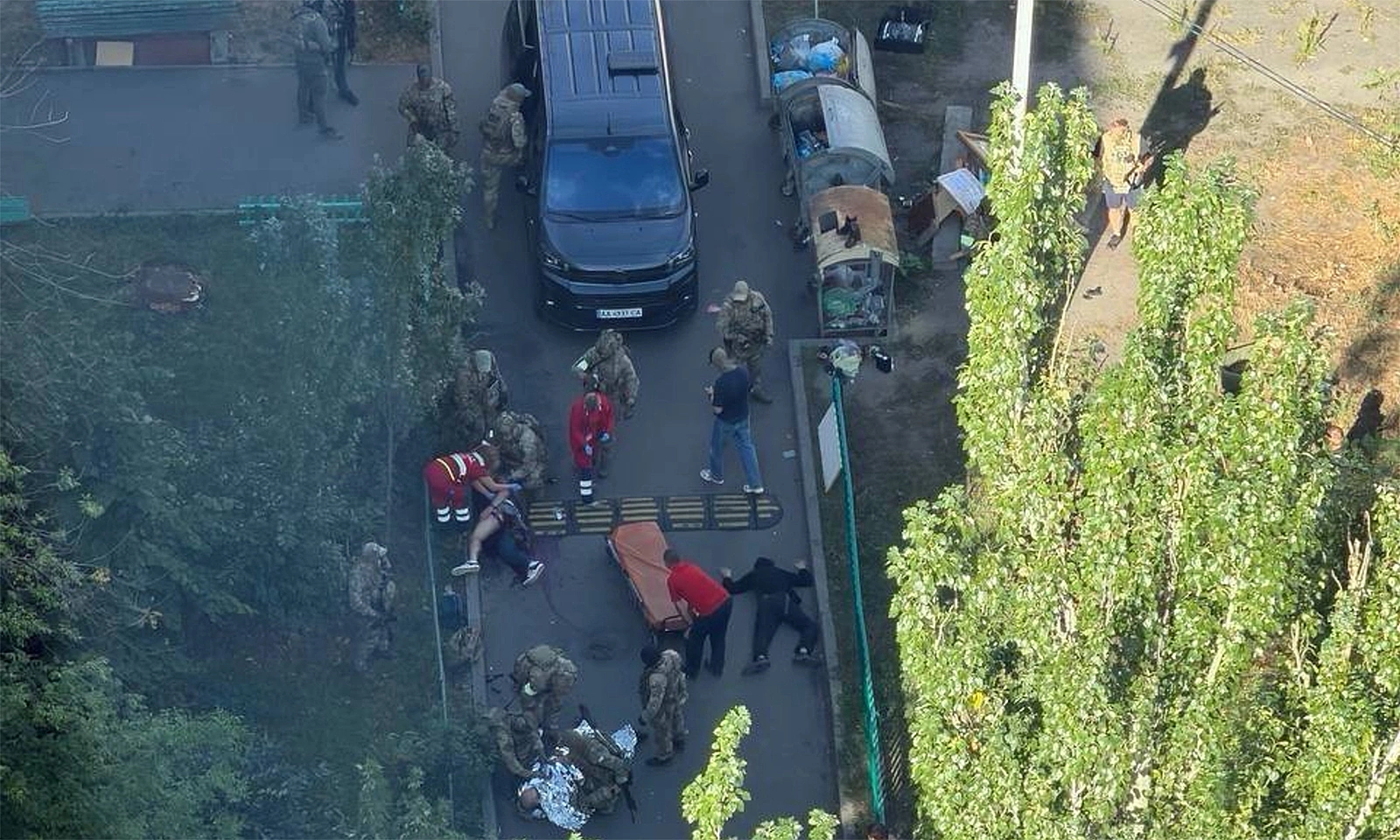
Ukraine claimed to have shot down 141 Russian unmanned aerial vehicles and hybrid missiles, adding that the attack damaged many structures in the capital, Kiev.
A Ukrainian soldier risked driving through a "death zone" filled with mines and drones to rescue injured comrades trapped on an unmanned ground vehicle.