The escalating conflict in the Middle East and its impact on global fuel supplies are forcing numerous airlines to reconsider their flight schedules. Carriers like Air France-KLM, for example, are exploring options, including the potential cancellation of routes in regions with less stable fuel availability.
While Europe currently holds enough fuel reserves to supply airlines for another month, many other nations worldwide rely heavily on supplies from the Gulf region. These countries could face shortages much sooner, posing a significant challenge for international air travel.
Long-haul flights present the most immediate concern. Airlines fear they may not secure enough fuel for return journeys if the conflict intensifies, risking their aircraft becoming stranded at international airports. This situation is prompting a strategic re-evaluation of operations, especially for routes extending to areas heavily dependent on Gulf fuel.
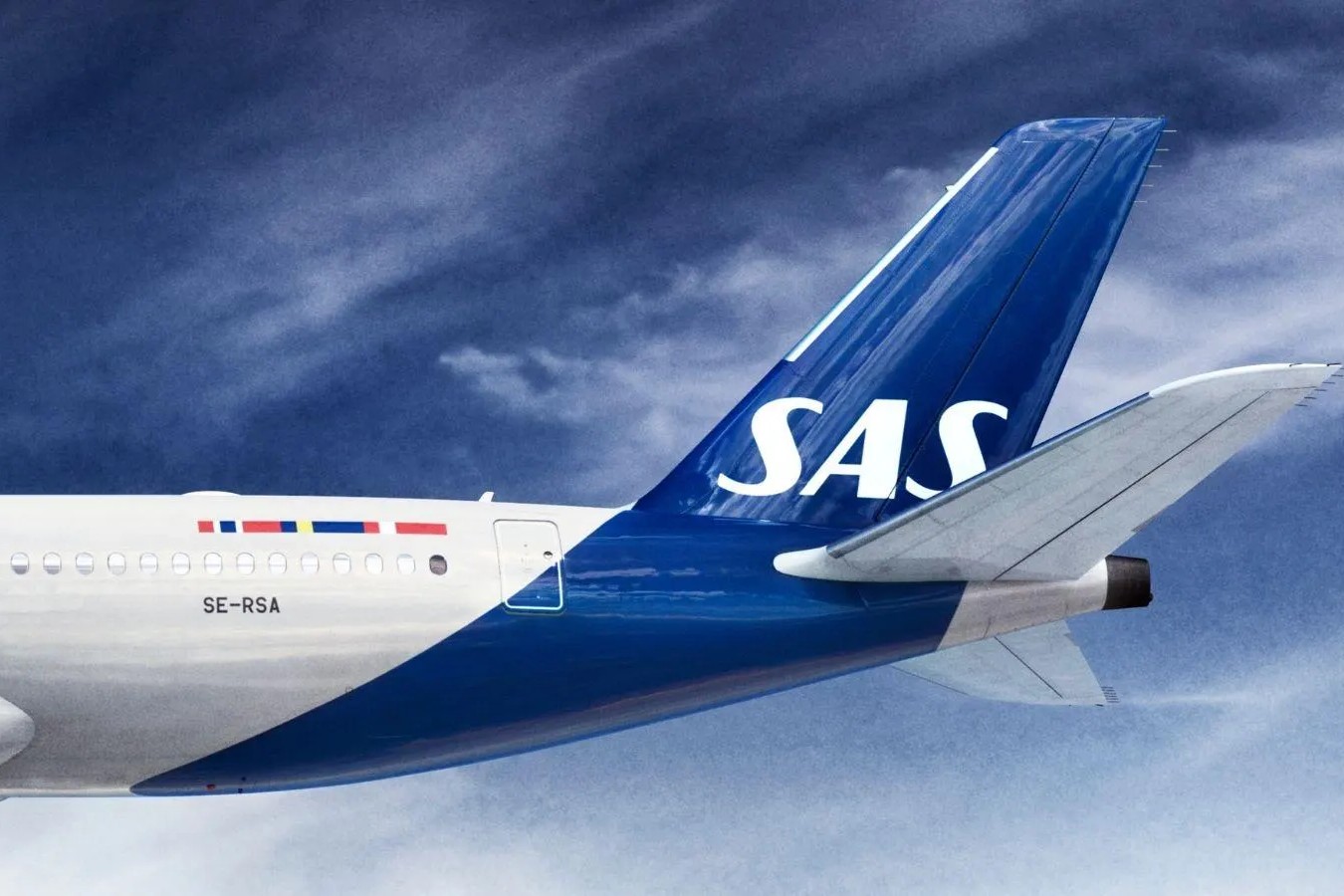 |
An SAS aircraft. The airline plans to cancel 1,000 flights in April due to fuel scarcity. Photo: Facts |
Ben Smith, CEO of Air France-KLM, acknowledged that while there are no immediate refueling concerns for a 12-hour flight to Southeast Asia, return flights could be at risk. "We are developing scenarios to cope with potential fuel shortages. Southeast Asia is more dependent on Gulf region fuel sources than Europe. If you don't have fuel, you can't fly," CEO Ben stated.
Air France's services to this region include a three-times-a-week route to TP HCM, Vietnam, highlighting the potential impact on specific destinations.
The Civil Aviation Authority of Vietnam conducted a rapid survey on 20/3 involving nearly 40 international and Asian regional airlines, many of which operate flights to Vietnam. The survey revealed that over 60% of these airlines have already implemented or plan to implement increased fuel surcharges or higher ticket prices since mid-March. This trend is widespread across markets in Asia, Europe, and North America.
Airlines are primarily adopting two methods: either incorporating the fuel surcharge directly into the base fare or adjusting it separately. The common increase ranges from 5 to 20%, varying by route and service class, as seen with carriers like Air France, Thai Airways, and United Airlines.
Soaring kerosene prices and limited access to supplies are becoming major concerns for airlines, particularly as the Hormuz Strait remains blockaded. This situation has disrupted supplies from oil refineries in Kuwait, Saudi Arabia, and Abu Dhabi, exacerbating the global fuel crunch.
Beyond flight reductions, airlines are also considering service cuts. SAS, Scandinavia's largest airline, became the first major European carrier to officially cancel flights on 17/3. Headquartered in Stockholm, SAS is a multinational airline representing Denmark, Norway, and Sweden. The airline has already reduced operations due to "sudden and sharp price increases."
Hundreds of flights were canceled in the week from 15 to 21/3, primarily short-haul routes within Scandinavia. For April, SAS expects to cancel 1,000 flights. SAS's fuel price risk hedging is less extensive than some other European airlines, making it more vulnerable to oil price fluctuations.
Meanwhile, major airlines operating in the United Kingdom reported having "locked in prices" for most of their fuel needs. However, over 80% of aviation fuel in the UK is imported, leaving them susceptible to impacts from declining supply.
Kenton Jarvis, CEO of easyJet, indicated no immediate concerns about fuel supplies, but warned the situation could change if the conflict persists. According to him, suppliers "are talking about reserves in weeks rather than months." He believes things will remain stable for the next three weeks. "But what about the fourth week? No one can guarantee that we won't have to worry by mid-May," CEO Kenton added.
Anh Minh (According to Telegraph, Reuters)