Three 20-year-old male tourists recently required rescue after becoming lost on Mount Shasta in California, an incident attributed by a US Forest Service ranger to a growing trend of over-reliance on artificial intelligence for planning. Nick Meyers, a ranger on Mount Shasta for over 20 years, noted that this summer alone has seen at least three AI-related incidents.
The most serious case involved the three tourists who began their ascent on 29/8, after setting up camp in a forbidden area. They started climbing at 3h the following day, carrying supplies for what AI tools predicted would be an 8-hour journey to the summit of the over 4,300 m mountain. However, the group took 16 hours to reach the peak. While attempting to descend in the dark, they veered off their planned route, and their phones, crucial for navigation, ran out of battery.
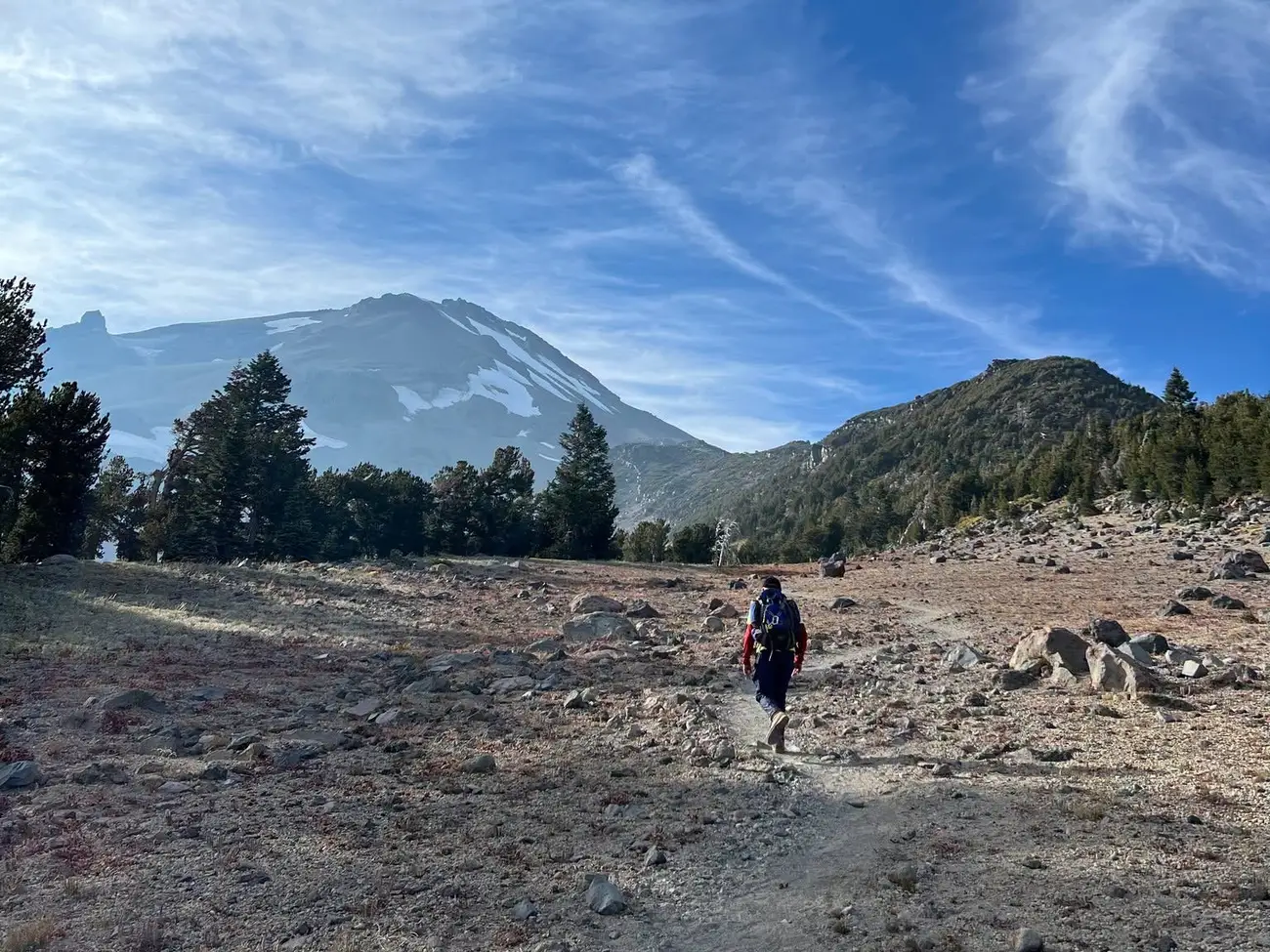 |
A tourist hiking on Mount Shasta. Photo: BI |
Lacking sufficient food, water, and equipment, the group had to establish a makeshift camp for the night. Rangers located and brought them down the mountain by 9h30 on 31/8. The tourists later disclosed they had used Google Gemini, YouTube, and the AllTrails app to plan their climb. One individual admitted to rangers, "We relied too much on AI instead of thinking critically ourselves".
While AI contributed to the errors, Meyers emphasized it was not the sole cause of the group's predicament. He pointed to several consecutive human errors, including a slower-than-expected pace, insufficient food and water, and continuing their ascent past the recommended turnaround time. Google did not respond to requests for comment, though its website warns that Gemini can make mistakes and advises users to double-check its answers.
Meyers reported two more incidents this summer involving tourists using AI for planning. In one instance, a female tourist set up camp in a clearly marked "no camping" zone, explaining to rangers that she was following ChatGPT's instructions. In another case, a man discussing a planned detour with rangers presented an AI-generated mountain map that incorrectly depicted many topographical features.
OpenAI also cautions that ChatGPT can make errors and sometimes provides confident answers "even when the information is wrong", recommending it only as an initial reference to be verified for important information. Meyers stressed that while AI can assist with planning, it should not be the only tool, especially in high mountain environments characterized by unpredictable weather and inherent risks.
He advises climbers to employ "old-school skills", such as seeking advice from rangers, locals, or experienced individuals, and verifying information from multiple reputable sources. "You can do your own research online", Meyers concluded, "but also verify the information a bit and use your critical thinking skills".
Anh Minh (Source: BI)