Kaffeost combines hot coffee with a dried cheese called leipäjuusto (also known as juusto), which translates to "bread cheese." Despite its name, this pairing contains no bread, only cheese and coffee. As the leipäjuusto absorbs the hot coffee, it gradually softens without melting, creating a rich, moist flavor.
Leipäjuusto is sweeter than typical cheddar cheese. Adding a few pieces to a cup of coffee provides a similar sensation to when a drinker adds cream, milk, and sugar.
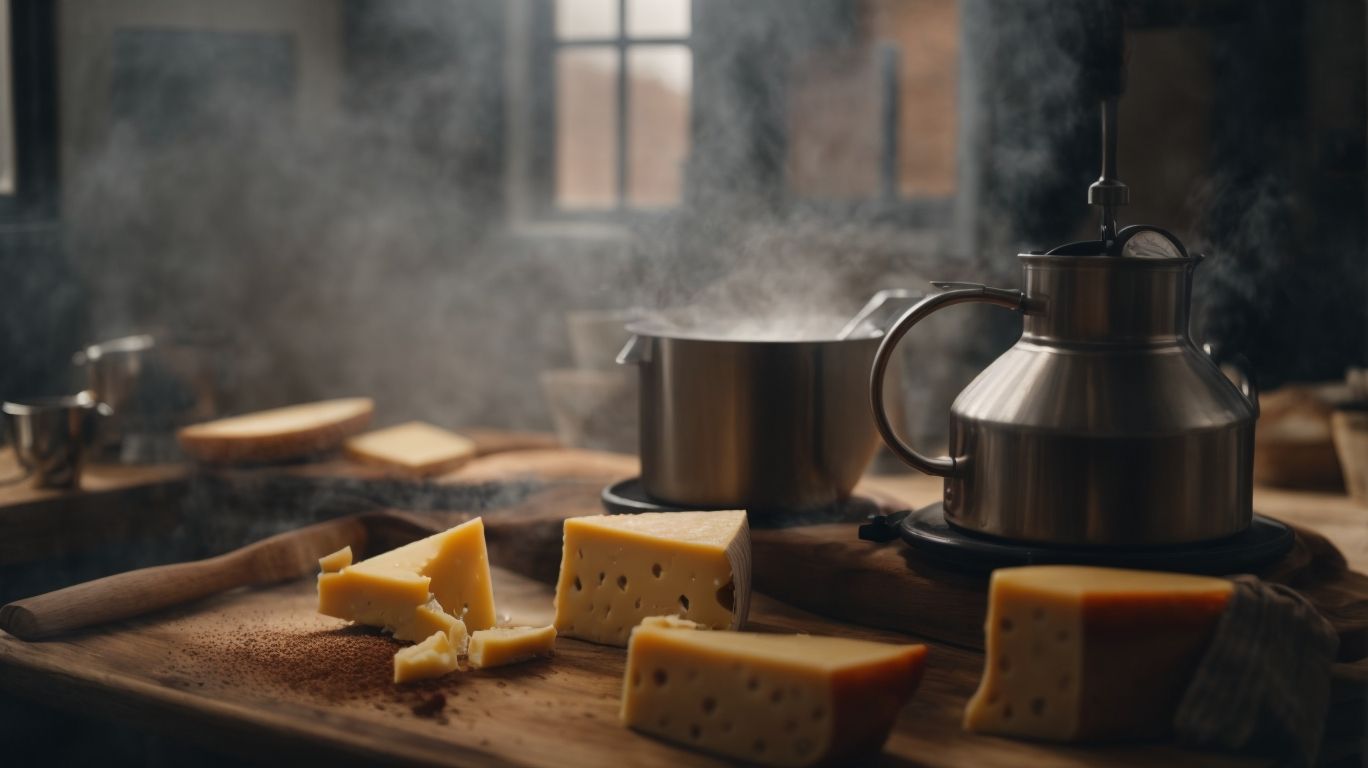 |
Kaffeost consists of hot coffee enjoyed with dried cheese curds. *Matador network*. |
The traditional way to enjoy a cup of kaffeost begins by placing a small cheese block at the bottom of a wooden cup carved from a birch burl. After pouring in hot coffee, drinkers can spoon out the softened cheese pieces or savor the remnants left at the bottom of the cup.
Kaffeost is deeply rooted in the long-standing traditions of reindeer herders in northern Sweden and Finland. The semi-nomadic Sami people discovered the delicious combination of coffee and cheese during their migrations. They found kaffeost helped address sodium deficiency, while the hot coffee kept them warm and provided essential energy for their journeys in the cold.
Today, this drink is also found in Norway and Russia. Sharing a cup of kaffeost together is a warm welcoming ritual.
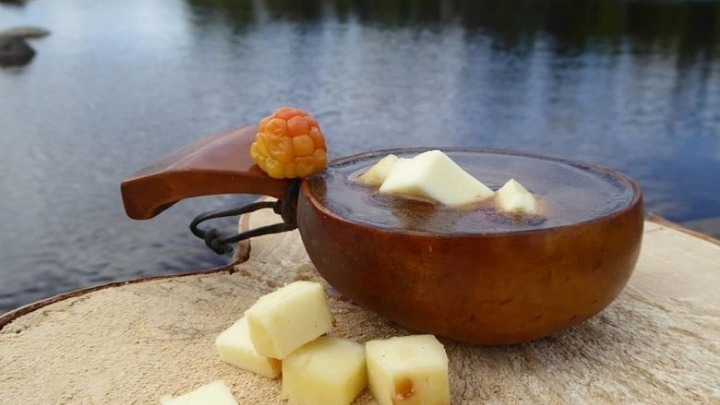 |
Locals often use wooden cups made from birch burls to drink kaffeost. *President*. |
Beyond coffee, this dry, firm juustoleipä cheese is also eaten with jams and syrups. Northern Europeans make this cheese by curdling goat or reindeer milk, then baking and drying it into thin, round pieces. This process helps preserve the cheese for one year.
Coffee and cheese might not seem like a "perfect match" to everyone, but kaffeost is increasingly popular in Scandinavia. Many cafes serve kaffeost, offering cheese made from cow or goat milk alongside the traditional leipäjuusto made from reindeer milk.
Last month, the European Union (EU) granted kaffeost "protected designation of origin" certification, following a proposal by local cheesemakers. This effort aims to preserve its culinary heritage and attract curious coffee enthusiasts to the region.
Anh Minh (According to Odditycentral, Atlas Obscura)