Kobikicho Yoshiya, a 103-year-old establishment in Ginza, is renowned for its wagashi – traditional Japanese sweets crafted from flour, mochi, red beans, and various seasonal plant-based ingredients. Due to its popularity, reservations are essential. Amidst Japan's tourism boom, the shop attracts numerous foreign visitors.
This influx, however, has presented challenges for the shop. The third-generation owner voiced frustration, stating that many foreign customers make reservations but then neither arrive nor provide advance notice.
"We cannot simply refuse these orders, and we genuinely don't know how to address the situation", the owner stated.
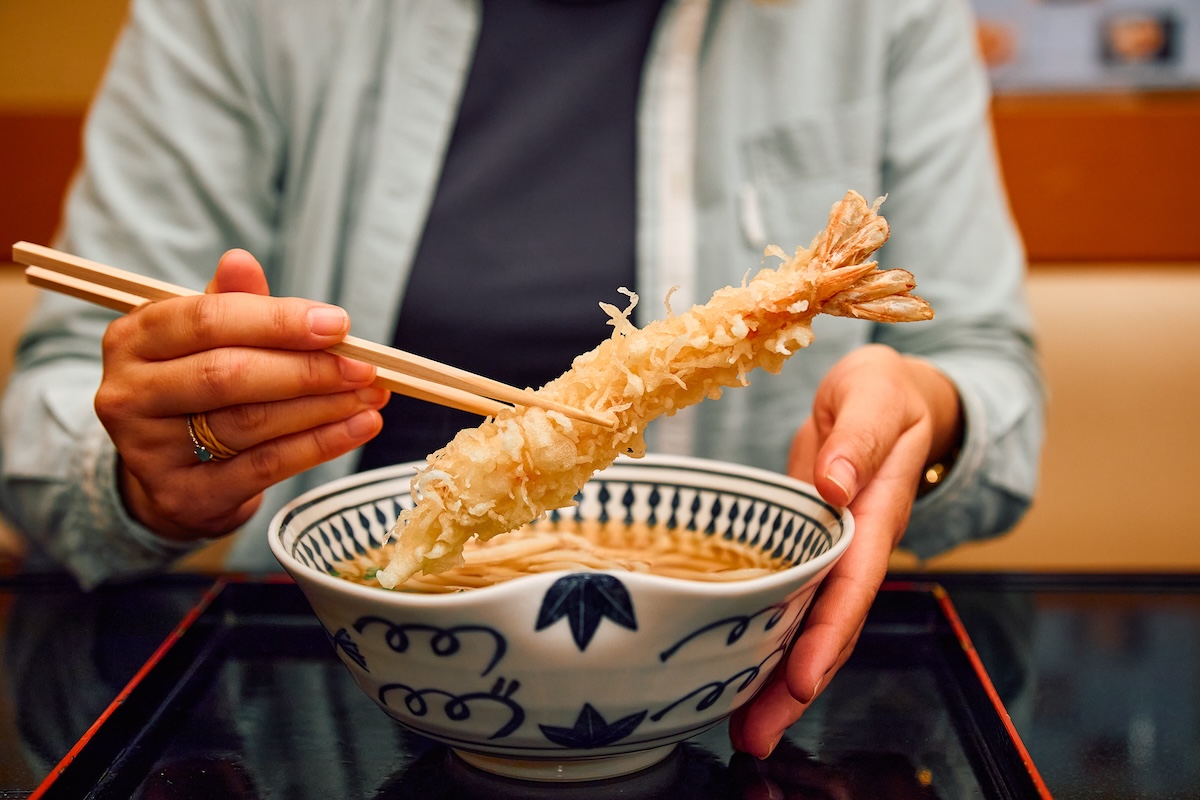 |
Inside a shop in Japan. Photo: Delishably
In an interview with J-Cast News, the owner revealed that two to three groups of customers fail to honor their reservations daily. Some make bookings through the LINE app but do not arrive and ignore calls when the shop attempts to contact them.
Kobikicho Yoshiya's online post garnered significant support from local residents. Tourism experts have since advised the establishment to implement a reservation system, such as TableCheck, which requires credit card details and charges customers for no-shows.
The widely circulated story in Japanese media prompted criticism of foreign tourists for their "poor etiquette". This incident is not an isolated one; tourist no-shows have been a recurring concern in Japan.
In February, a reservation broker publicly criticized a group of 11 Chinese customers who failed to appear for their booking at a Japanese restaurant. On social media, many Chinese users expressed their own discontent, speculating that such incidents contribute to Japanese restaurants' aversion to Chinese patrons.
"As tour operators, we emphasize to our clients the importance of honoring reservations and not assuming they can arrive 30 minutes or one hour late. While you may never revisit the restaurant, the negative impression left behind is significant", stated a Japanese tour operator.
When making reservations at Japanese restaurants, visitors are strongly advised to arrive punctually. Some establishments will cancel tables after 15 minutes, while others may seat latecomers but not serve the complete menu. Therefore, if visitors anticipate being unable to arrive on time, they should consider canceling their reservation with advance notice to allow the restaurant sufficient preparation time. Many restaurants, such as Edomae Sushi, often procure ingredients for reservations at least five days in advance.
Beyond the "no show" dilemma, language barriers also deter Japanese restaurants from serving foreign patrons. According to EF's 2024 English Proficiency Index, Japan ranks 92nd out of 116 countries, placing it in the "low proficiency" category. Consequently, restaurant owners worry about their inability to explain menus to customers, which can lead to cultural misunderstandings.
Hoai Anh (Unseen Japan, Explore, By Food)