A "no-show" occurs when a guest books and confirms a room but does not check in on the scheduled date or inform the hotel of cancellation or changes before the stipulated deadline.
For instance, if a guest books a room for 13/11 but does not arrive or provide a specific check-in time by the end of 24 hours, the room is considered a "no-show", according to Dang Thi Hai Linh, general manager of the Novotel Hanoi Thai Ha & Novotel Suites Hanoi cluster.
 |
Guests are being guided by staff on using services at Novotel Hanoi Thai Ha. Photo: Booking |
No-shows create both visible and hidden damages for hotels. When a guest no-shows without prior payment, the facility holds an empty room, losing potential sales and incurring operational costs for room preparation. These costs include cleaning staff, electricity, water, and single-use amenities.
Even if guests have paid in full, hidden damages still arise, primarily from lost ancillary revenue. Guests typically spend on other services like food and beverage (F&B), spa treatments, laundry, and minibar items. When a guest no-shows, the hotel loses this additional revenue stream.
Hotels also lose the opportunity to sell that room to guests needing a longer stay or to group bookings, as Hai Linh added. On peak days or holidays, holding an empty room for a no-show guest means the hotel has turned away another potential customer.
Furthermore, high no-show rates negatively affect a hotel's ranking on online travel agency (OTA) platforms like Agoda and Booking. Partner systems may deem the hotel less appealing, reducing its display ranking. Facilities also risk complaints or poor reviews related to no-show penalty fees.
From the customer's perspective, the direct damage is financial. Nguyen Thanh Loan, a representative for Dolce by Wyndham Hanoi Golden Lake, stated that the deposit or the entire cost might not be refunded, depending on each accommodation facility's booking policy.
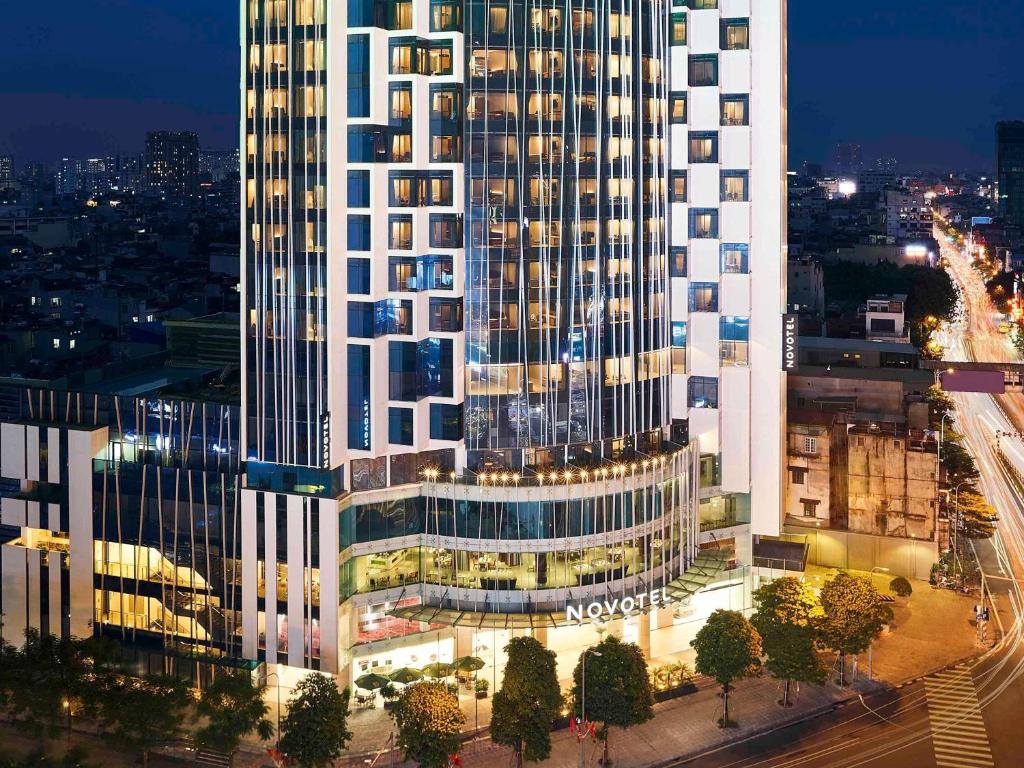 |
Novotel Hanoi Thai Ha hotel on Thai Ha street, Hanoi. Photo: Booking |
Why do guests no-show?
Beyond simply forgetting, many guests no-show due to unforeseen circumstances such as flight cancellations, accidents, sudden illness, or last-minute schedule changes. Losing the entire booking cost, particularly with non-refundable packages, often frustrates guests. However, experts note that a "non-refundable" policy is a clear agreement: customers choose to accept a lower price in exchange for the risk of no changes, or pay a higher price for flexible rates that allow free cancellation.
What to do to reduce damages if guests no-show
Experts generally agree that proactive communication and clear understanding of policies are key to minimizing damages for both parties.
For customers
Nguyen Thanh Loan advises customers to carefully read booking policies, especially cancellation terms and free cancellation deadlines, before confirming. "If plans change, guests should inform the hotel or the intermediary booking agent as soon as possible", Loan stated. This action helps hotels receive timely information, release rooms, and potentially offer flexible support, such as adjusting stay dates or processing timely cancellations, ensuring better outcomes. Customers also need to provide accurate contact information: phone number, email, so the hotel can reach them if necessary.
For accommodation facilities
Hotels must clearly present cancellation and no-show penalty policies in booking confirmation emails and on online travel agency (OTA) channels. Many hotels use automated systems to send emails or messages reminding guests of upcoming bookings.
Whether a hotel calls to remind guests depends on its specific policy. At Dolce by Wyndham Hanoi Golden Lake, the hotel proactively contacts guests if they have not arrived after the expected check-in time, usually 14 hours. At Novotel Hanoi Thai Ha, for guests booking via an OTA, since direct phone numbers are unavailable, the hotel sends messages through that OTA partner's system.
Some hotels, similar to airlines, employ an "overbooking" strategy based on historical data analysis of no-show rates. This specialized practice aims to maximize room occupancy, but it also carries risks if the no-show rate is lower than anticipated, potentially leading to guests with confirmed bookings being denied service.
Phuong Anh