The Burj Al Arab, a landmark in Dubai, has temporarily closed for its first major renovation since opening in 1999. This 18-month project by the Jumeirah Group comes as the region's tourism sector faces a downturn, influenced by geopolitical tensions, including the US-Israel conflict with Iran.
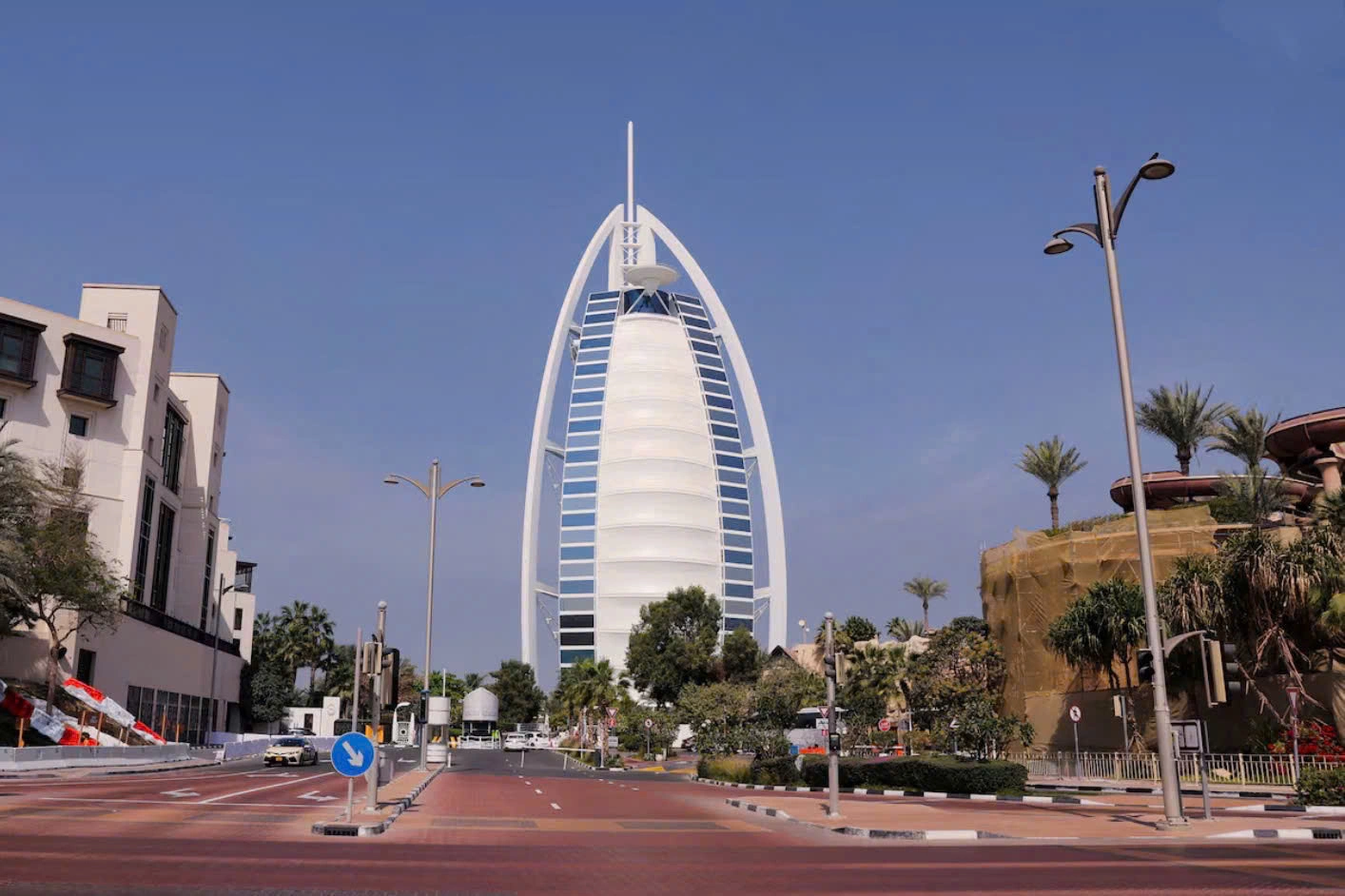 |
A view of the Burj Al Arab hotel. Photo: Reuter |
The renovation, led by French interior architect Tristan Auer, will be implemented in phases, as announced by the Jumeirah Group on 14/4. While the group did not confirm a full closure, internal sources indicate that alternative accommodation is being arranged at nearby facilities for guests with existing bookings. The duration of the temporary closure may vary depending on the actual progress of the work.
Although the Jumeirah Group's official statement did not explicitly link the renovation to the regional conflict, the timing has drawn attention. Geopolitical tensions have affected tourist flows to Dubai, with flight disruptions in the United Arab Emirates and corporate warnings about profit pressure signaling a decline in tourism demand. This long-anticipated renovation is reportedly unrelated to a prior incident.
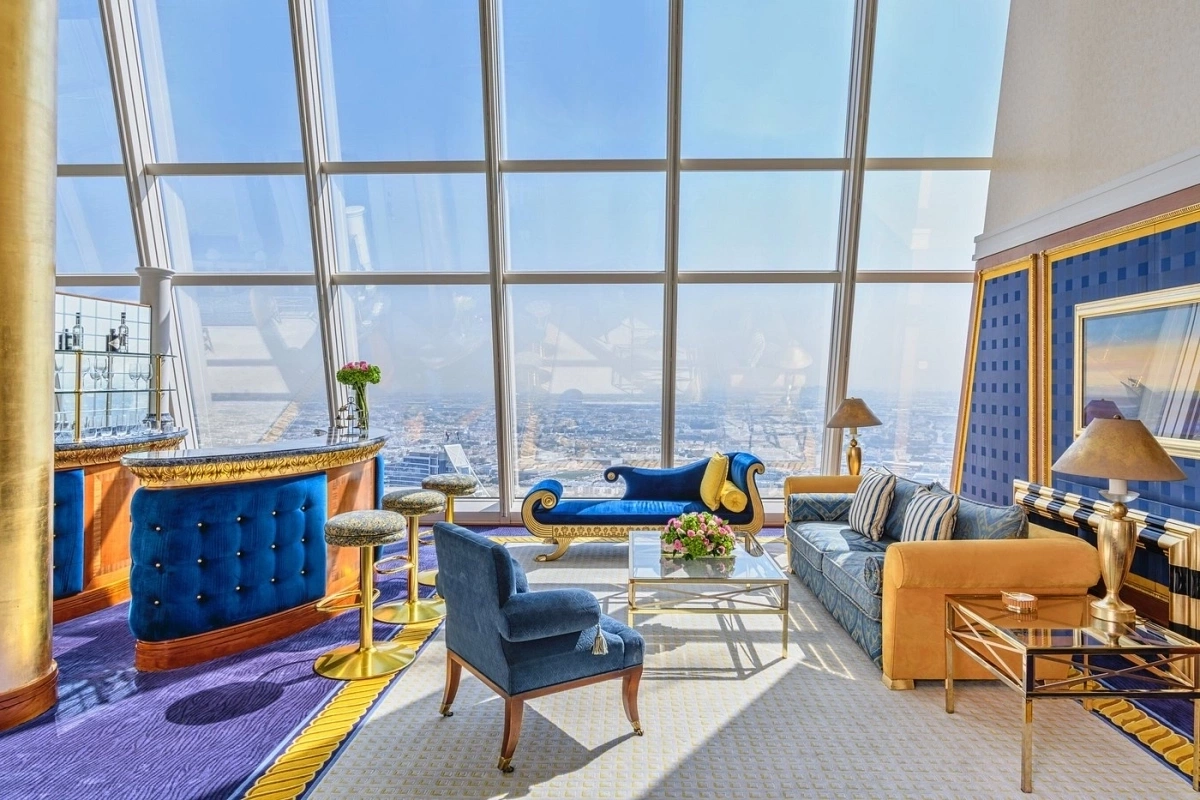 |
Inside the Burj Al Arab hotel. Photo: Tripadvisor |
On 28/2, the Burj Al Arab was among several structures in Dubai that sustained damage during a period of escalating US and Israel strikes on Iran, which led to retaliatory actions and widespread regional impact. Officials confirmed that an Iranian drone was intercepted, with debris falling onto the tower's exterior and causing a fire.
Standing 321 m tall, the Burj Al Arab is shaped like a traditional dhow sail and is situated on an artificial island 280 m off the Jumeirah coastline. The structure is connected to the mainland by a private bridge, features gold-plated interiors, and is known for offering some of the world's most luxurious accommodation rates.
Tuan Anh (According to Reuters)