Chinese and Japanese media reported on 21/11 that the panda pair Xiaoxiao and Leilei, born at Ueno Zoo, Tokyo in 2021, will return to China in 2/2026 as their conservation cooperation contract concludes. Xiaoxiao and Leilei are the offspring of Ri Ri and Shin Shin, a popular pair that returned to China in 9/2024 due to old age and the need for specialized medical care.
In 6/2025, four pandas from Adventure World Zoo in Wakayama will also return to China. This makes Xiaoxiao and Leilei the last remaining panda pair in Japan.
China first gifted Japan a pair of pandas in 1972 as a symbol of bilateral friendship. The two pandas, Kang Kang and Lan Lan, were transported to Tokyo by plane. From 1984, Japan transitioned to a long-term lease model, typically 10 to 15 years, costing approximately 1 million USD per pair annually. This arrangement primarily supports research and conservation efforts. Over 53 years, Japan has hosted 16 pandas from China.
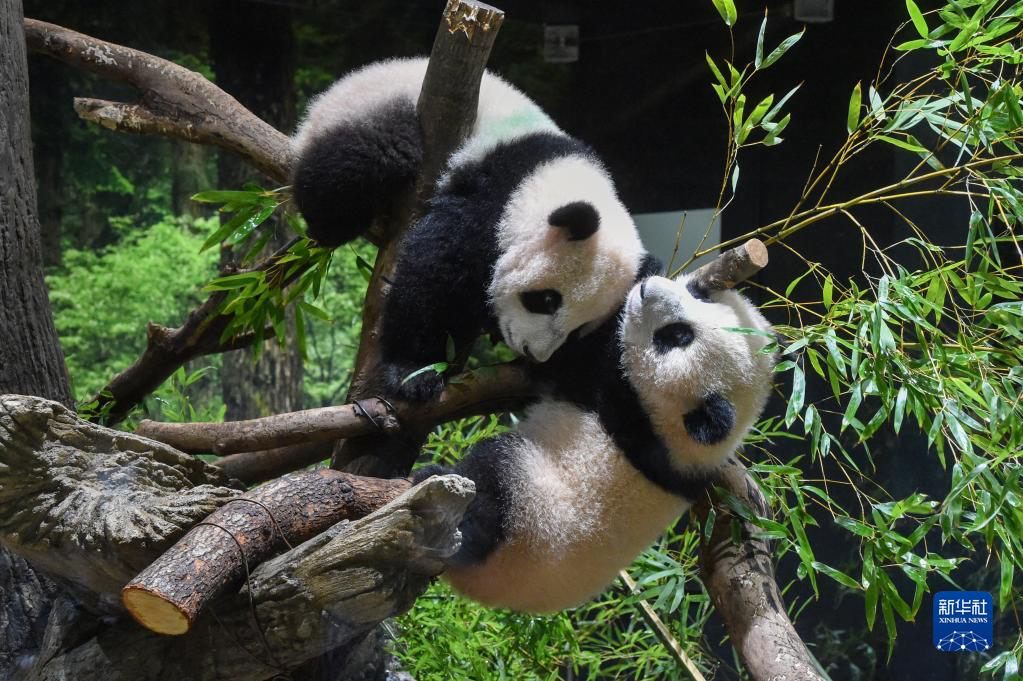 |
The panda pair Xiaoxiao and Leilei at Ueno Zoo. Photo: Xinhua News. |
Under the lease agreements, Japanese zoos do not own the pandas; they are only granted rights to care for them and exhibit them to visitors. Full ownership remains with China, which retains the authority to decide when the pandas are returned or if contracts are extended.
The "panda craze" has significantly boosted the Ueno region's economy, generating an estimated over 30 billion yen annually from related merchandise like stationery and accessories. Ueno Zoo consistently attracts over 7 million visitors each year, with panda souvenir sales exceeding 100 million yen annually. Similarly, Adventure World Zoo contributed over 125 billion yen to the local economy of Shirahama over 30 years.
Observers are concerned that Japan may face a period without pandas for visitors after the twin pandas depart. This presents a challenge for zoos that depend on the animals' popularity to maintain stable visitor numbers. The Tokyo metropolitan government has pledged to continue dialogue channels to welcome pandas back in the future, acknowledging that new contracts depend on multiple factors.
This development follows Beijing's earlier advice to its citizens to limit travel to Japan, a recommendation issued after tensions arose between the two nations over Prime Minister Sanae Takaichi's remarks concerning Taiwan on 7/11. Japan's economy could face losses of nearly 10 billion USD in 2026 if mainland Chinese tourists continue to avoid the country due to ongoing diplomatic strain.
Professor Chen Yang of Liaoning University suggests that if political tensions between China and Japan persist, Tokyo might not receive new pandas.
Japanese conservation facilities have recently upgraded their enclosures and research infrastructure to meet international standards, anticipating the possibility of receiving new pandas. Ueno Zoo announced its readiness to expand cooperation and is also preparing new exhibition areas for alternative educational programs in the absence of pandas.
In the interim, some Japanese travel companies have begun offering tours to Sichuan province, home to the world's largest panda conservation centers. These "panda tracking" tours are emerging as an alternative for Japanese visitors who admire the animals.
Mai Phuong (According to CGTN, CNS, CCTV Finance)