The owner of a two-Michelin-star restaurant in Seoul faces up to one year in prison and a 20 million won (approximately 13,600 USD) fine for violating South Korea's Food Sanitation Act. The indictment stems from the restaurant's use of ants, an unapproved ingredient, in its desserts. A verdict is expected in September.
According to South Korean prosecutors, the issue extends beyond the mere use of unapproved insects. Tests on ant samples seized from the restaurant revealed heavy metal levels 55 times higher than the maximum limit allowed for insects approved for human consumption. The restaurant reportedly used around 49,000 dried ants, imported from the United States and Thailand, in over 12,200 portions of sorbet served as garnish over the past four years since 2021.
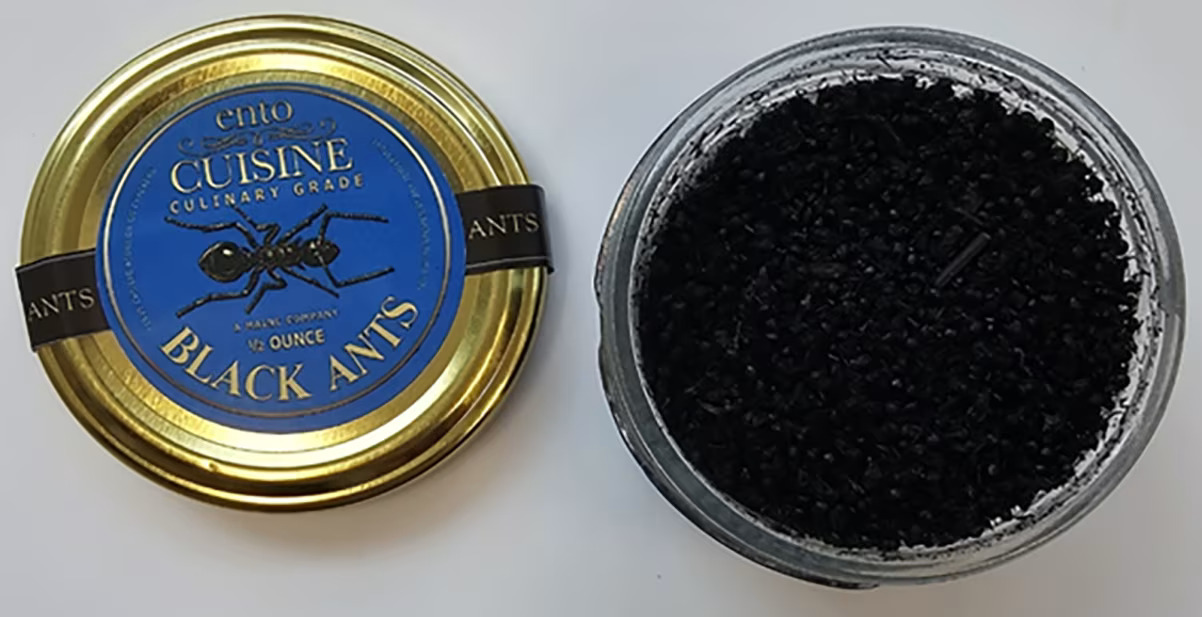 |
Dried ants imported from the United States used in the dessert. Photo: Ministry of Food and Drug Safety
While the chef was responsible for creating and preparing the dish, the restaurant owner has been indicted on charges of violating the Food Sanitation Act. It remains unclear if the owner is also the chef. Prosecutors allege the restaurant generated approximately 120 million won (over 81,000 USD) from dishes containing ants, forming the basis for the proposed 20 million won fine.
Under South Korean law, only ten specific insect species, including locusts and silkworm pupae, are permitted for human consumption. Any other insect, such as ants, requires separate regulatory approval before being included in food. This regulation ensures food safety by limiting edible insects to an approved list.
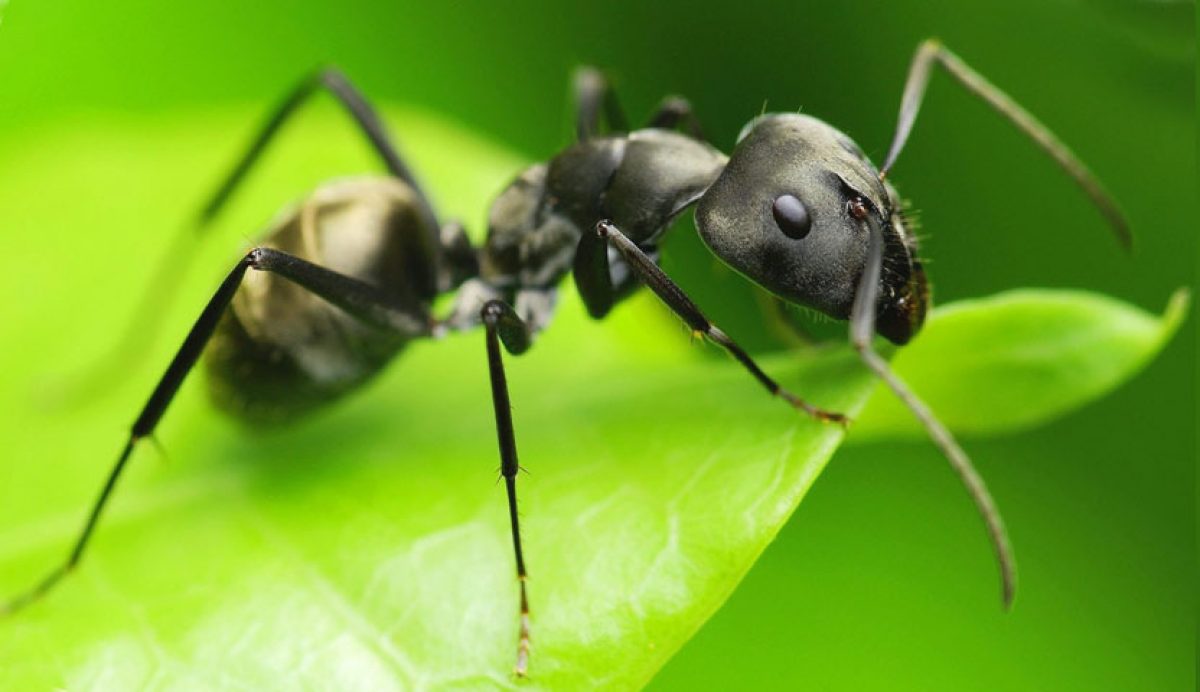 |
A species of black ant. Photo: The Pest Experts
Insects are not entirely new to Korean cuisine. *Beondegi*, steamed silkworm pupae, has long been a popular street food, often sold in paper cups at markets and tourist areas. The restaurant's lawyer stated that the chef incorporated ants for a natural sour flavor, a practice he had adopted while working in the United States and Europe, unaware of South Korean regulations. The restaurant noted that about 60% of diners ordered the ant-containing dessert, and the ingredient was clearly listed on the menu.
The case highlights the growing global interest in edible insects as a sustainable food source. Many scientists and environmental organizations advocate for insects due to their high protein content and lower environmental footprint compared to traditional livestock, potentially reducing greenhouse gas emissions and addressing future food security challenges.
Mai Phuong (According to CNN)