 |
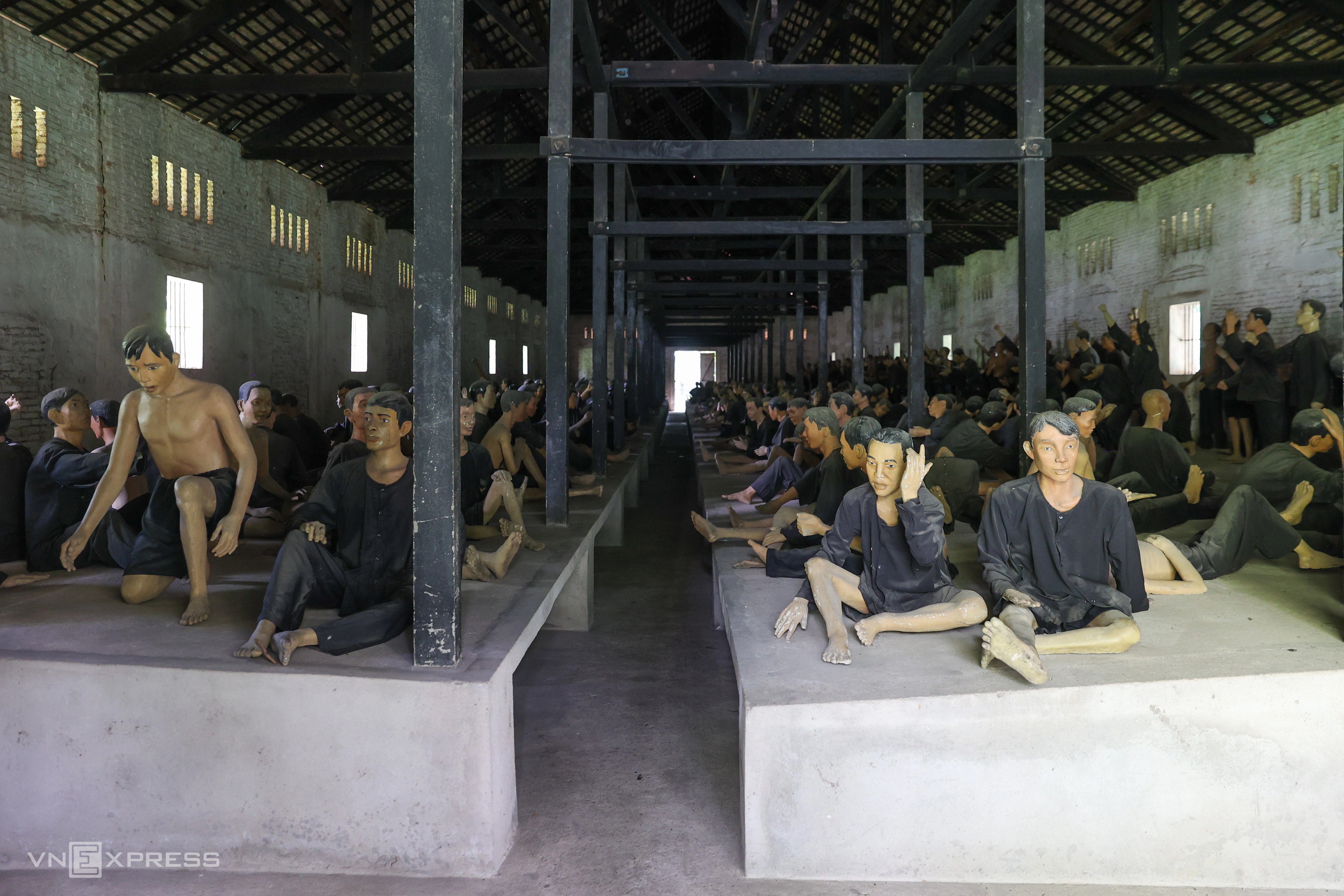
Each cell could hold 300-500 people, sometimes up to 700 prisoners. |
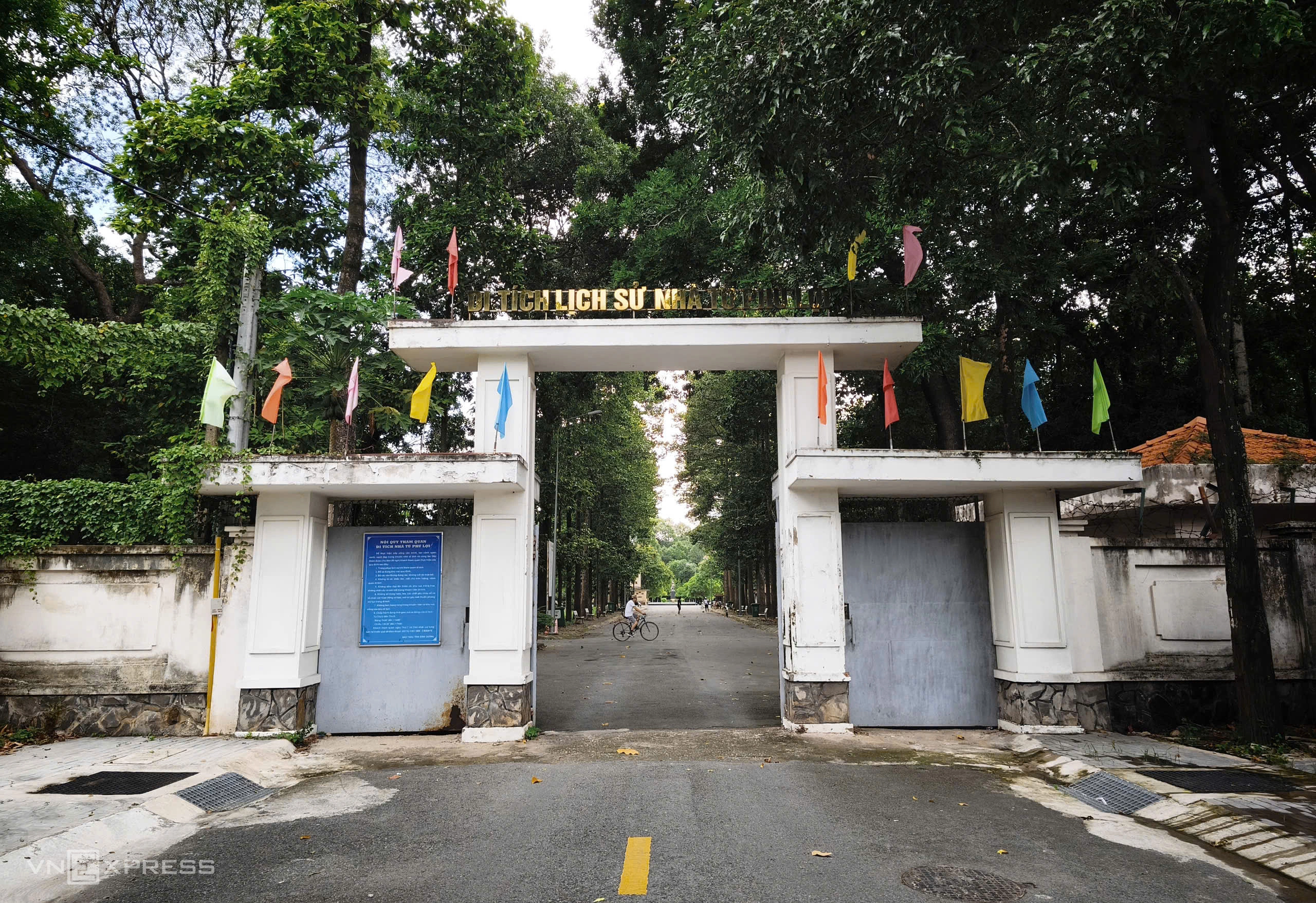
Phu Loi prison, located on 1/12 Street in Phu Loi ward, was built under the Ngo Dinh Diem regime and was once known as a "hell on earth".
Japanese and French forces initially used this area as a base. In 1957, it was converted into the "Phu Loi Re-education Center" to imprison and suppress revolutionary cadres, soldiers, and patriots.
{"caption_all":null,"caption_items":"["The prison complex spans approximately 77,000 square meters, divided into various zones with a system of cells, disciplinary rooms, fences, and facilities for managing prisoners. The structure comprises three camps: Bach Dang, Chi Lang, and Dong Da. Each camp has a system of cells marked with the letters A, B, C, D, E, F, G, H, and N.","Today, some structures are preserved and restored for visitors. Pictured is cell C, one of the nine large cells in the prison. The cell was built with solid bricks and surrounded by multiple layers of barbed wire, revealing the enclosed, strict environment of the former detention area."]"}
 |
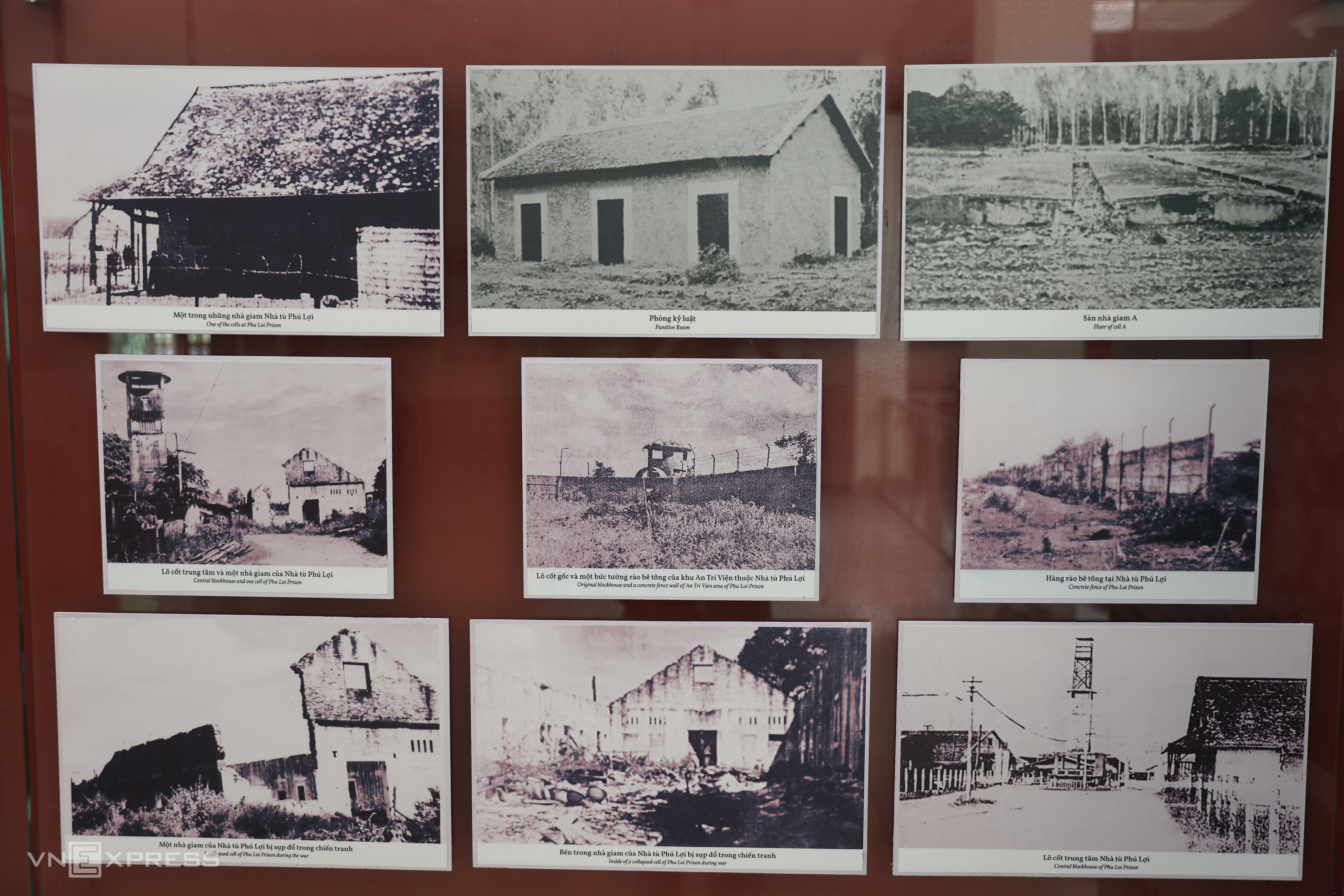
Archival images of the prison cells, sleeping platforms, bunkers, and barbed wire fences are displayed in the memorial room. |
{"caption_all":"Approximately 150 meters away is the disciplinary room area, which once held political prisoners. In addition to the collective cells, this area also features solitary confinement rooms, each about 2 square meters, lacking light, making the interior space always stifling.","caption_items":"["",""]"}
 |
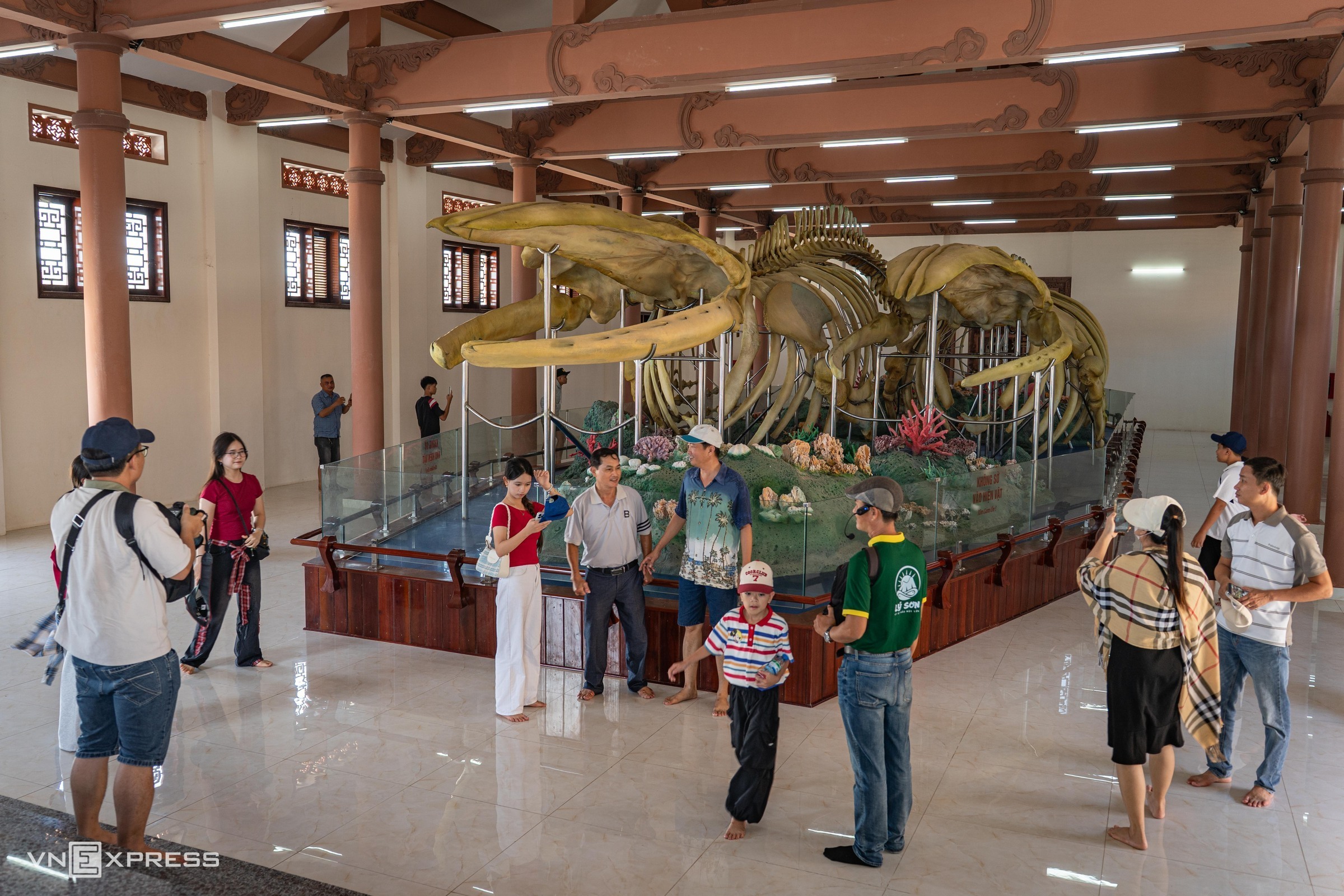
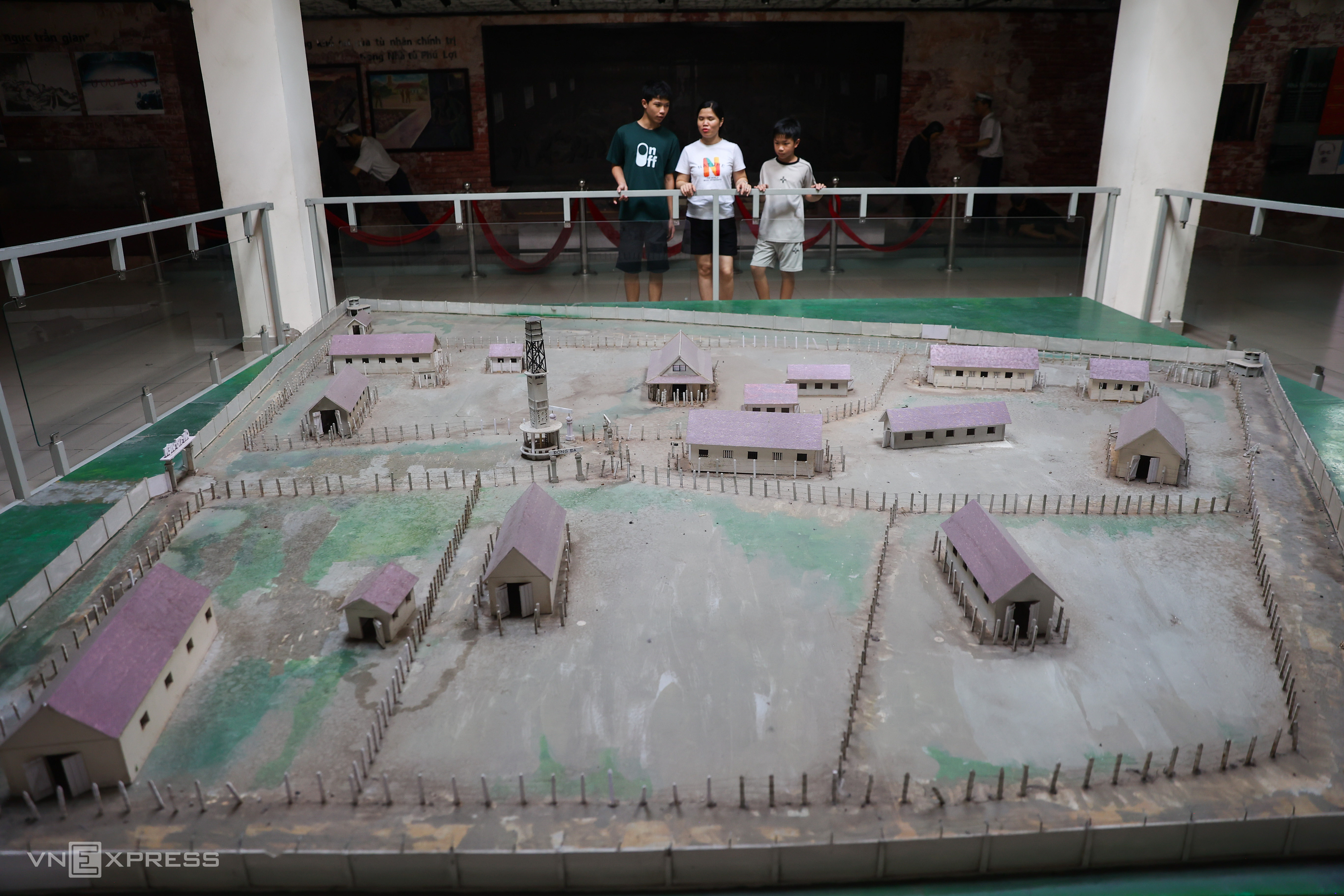
The memorial room displays dioramas, artifacts, mementos, paintings, and documents about the prison. |
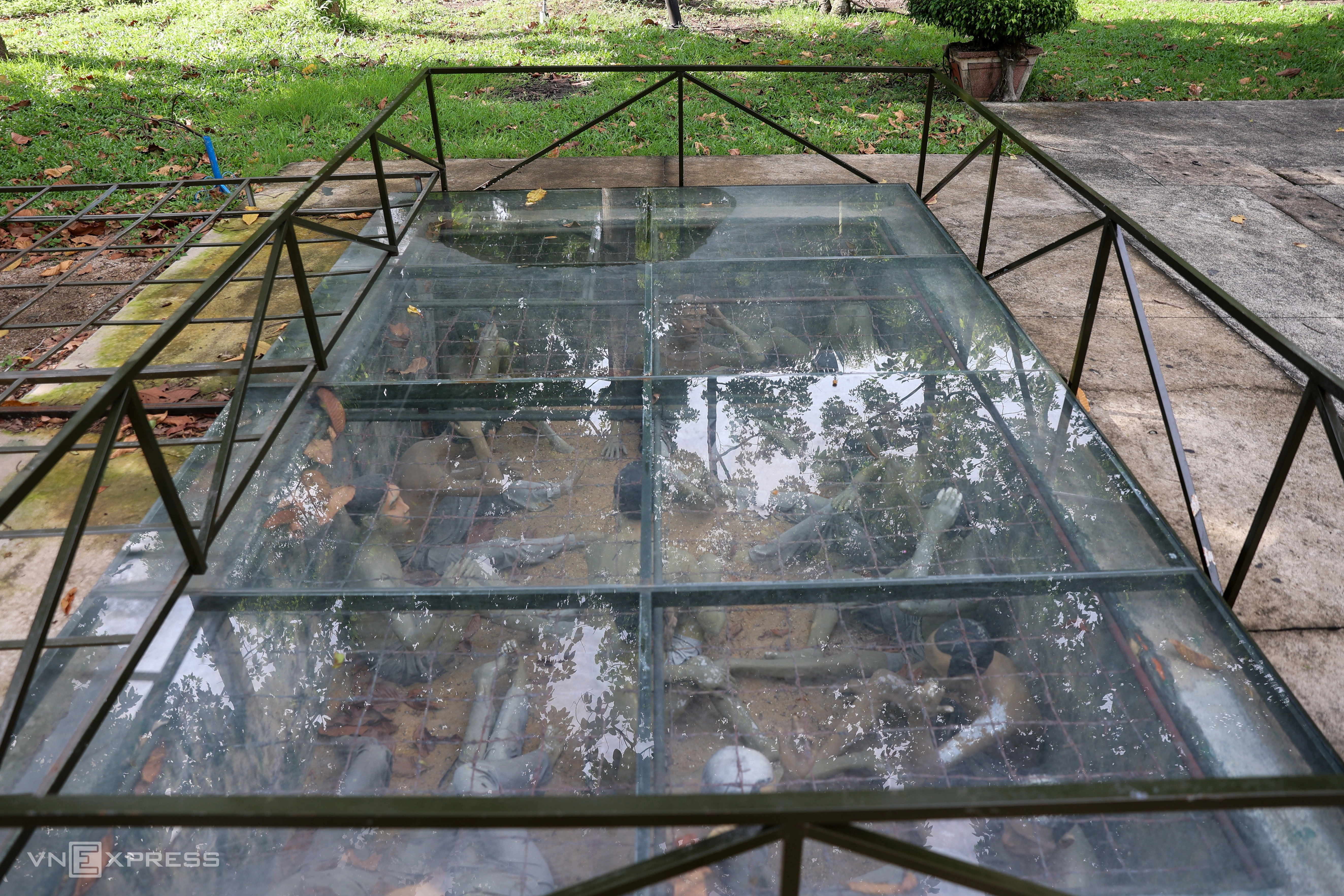
The barbed wire pit was a unique form of detention at Phu Loi prison. This pit, dug 0,8 meters deep, 2,5 meters wide, and 4 meters long, was covered with multiple layers of barbed wire. During hot weather, it held 15-20 prisoners at a time. Prisoners suffered severe injuries from the barbed wire with even slight movements; this torture could last five to seven days.
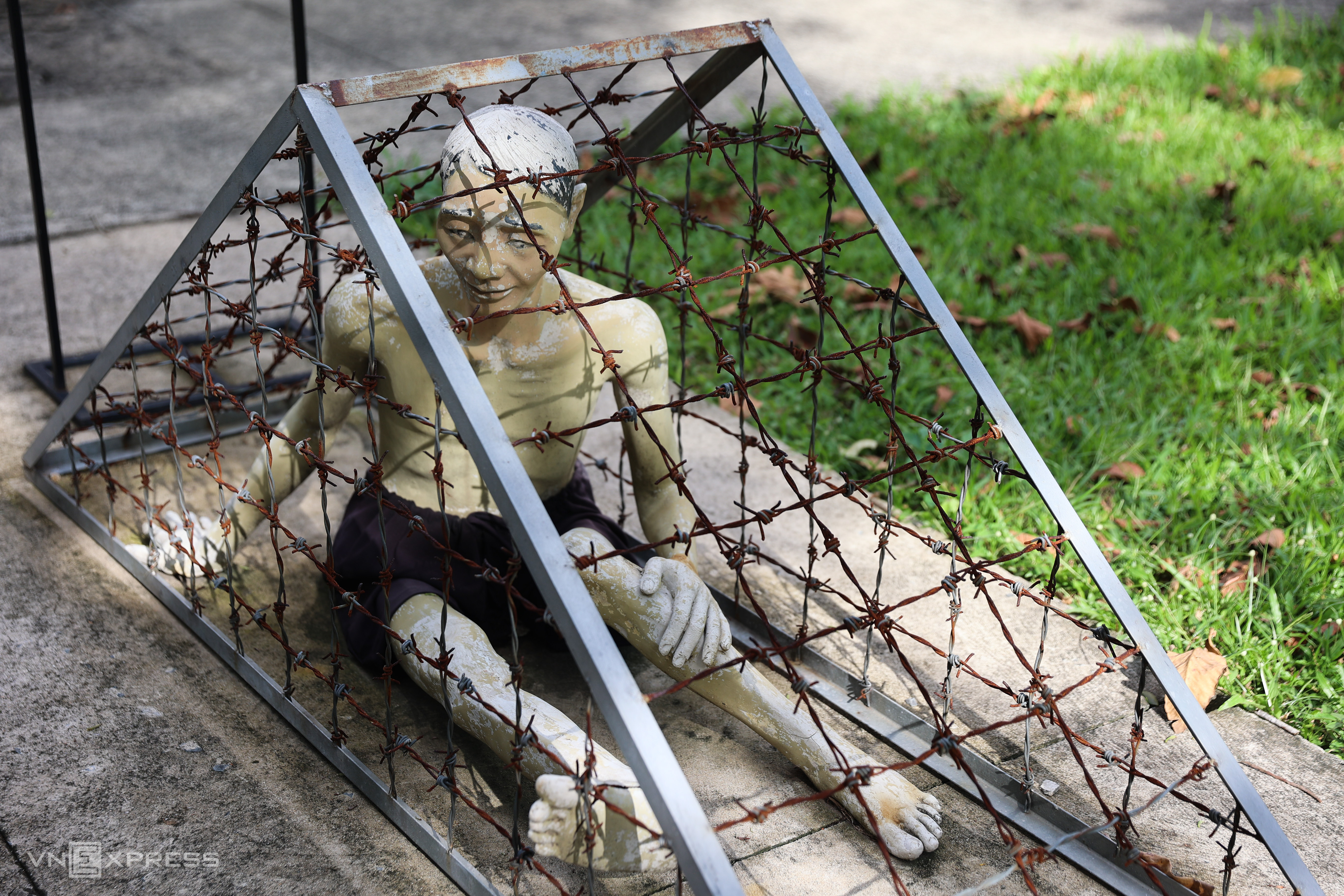 |
The triangular barbed wire cage, woven from barbed wire, was used to expose prisoners to the sun. Confined to the cramped space, prisoners had to sit hunched over without shirts, enduring sun exposure for five to seven days.
 |
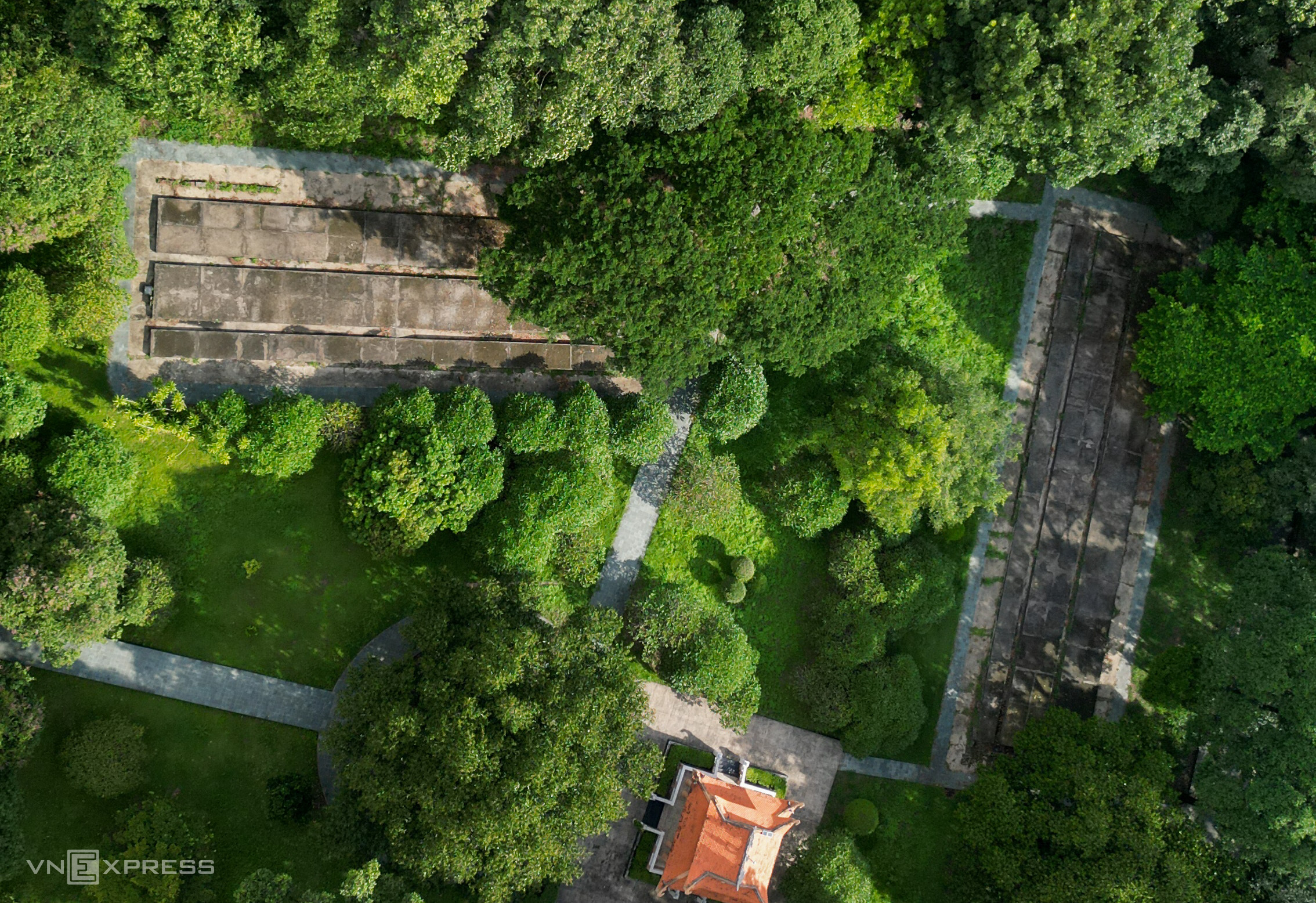 |
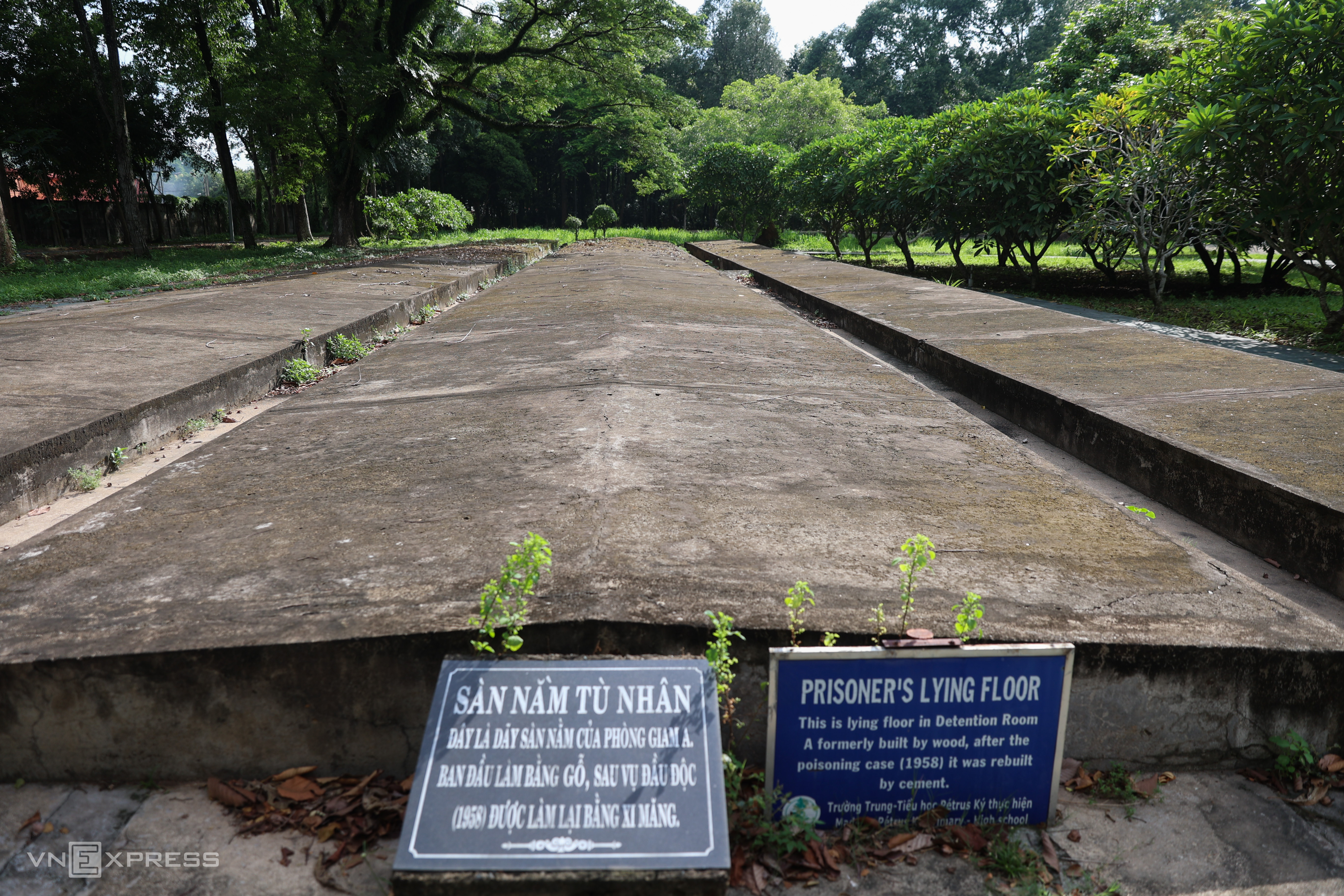
Initially, the sleeping platforms in the cells were made of wood. After the 1958 poisoning incident, they were replaced with cement. The surrounding walls of these cells are damaged, with only the foundations remaining.
A significant historical event was the "Phu Loi prisoner poisoning" in late 1958. Thousands of political prisoners were reportedly poisoned with food, causing many deaths and shocking public opinion both domestically and internationally.
{"caption_all":null,"caption_items":"["The central bunker, the tallest in the prison, remains intact. These bunkers were built for guarding, observation, and protecting the detention camp.","Smaller, solidly built bunkers surround the main structure, located at the four corners of the camp. From these positions, guards could observe areas inside and around the prison, controlling and detecting any escape attempts or acts of defiance by prisoners."]"}
 |
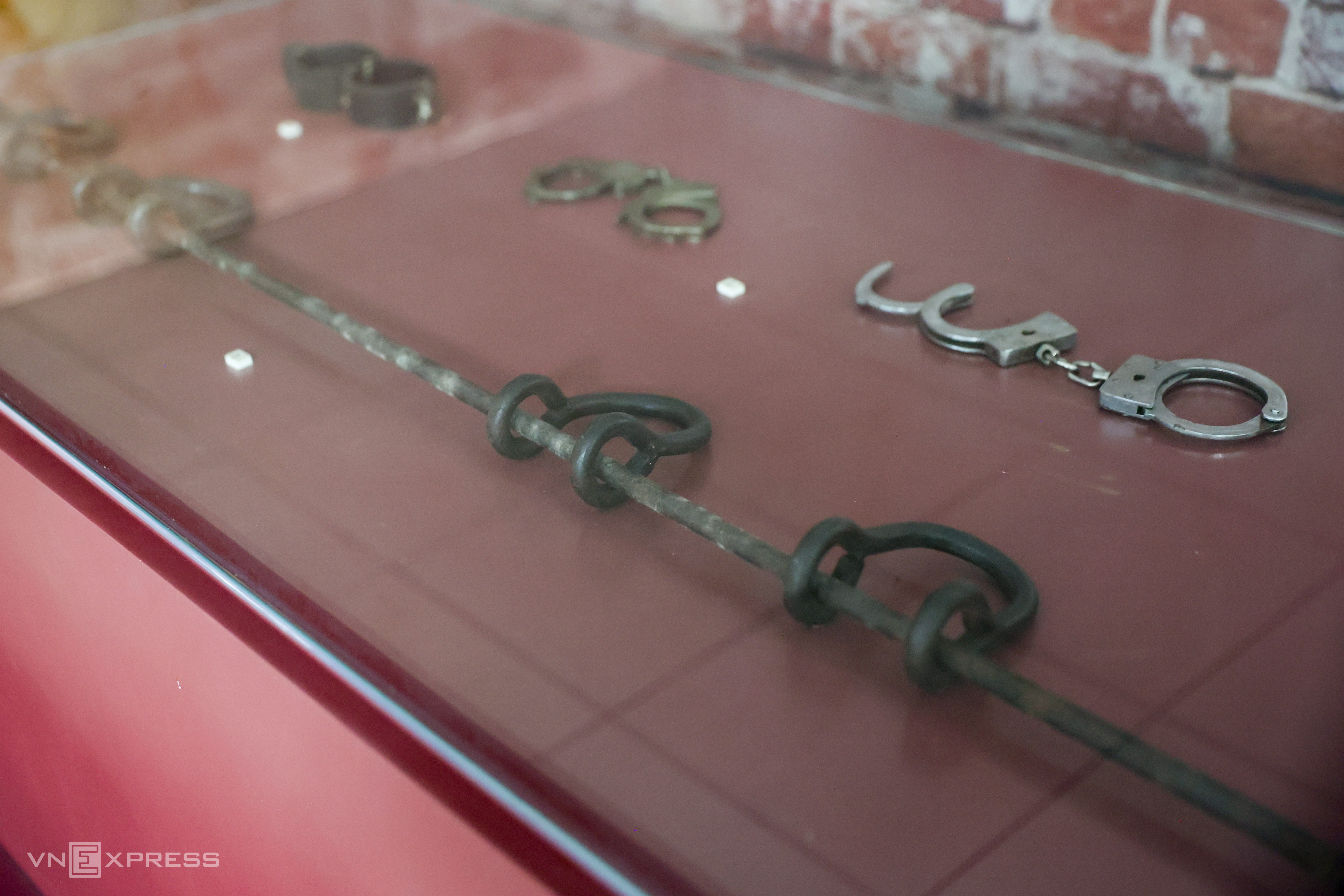 |
Torture instruments, shackles, and many mementos of the soldiers are exhibited, helping visitors visualize the harsh living conditions and the fighting spirit and patriotism of those imprisoned.
 |
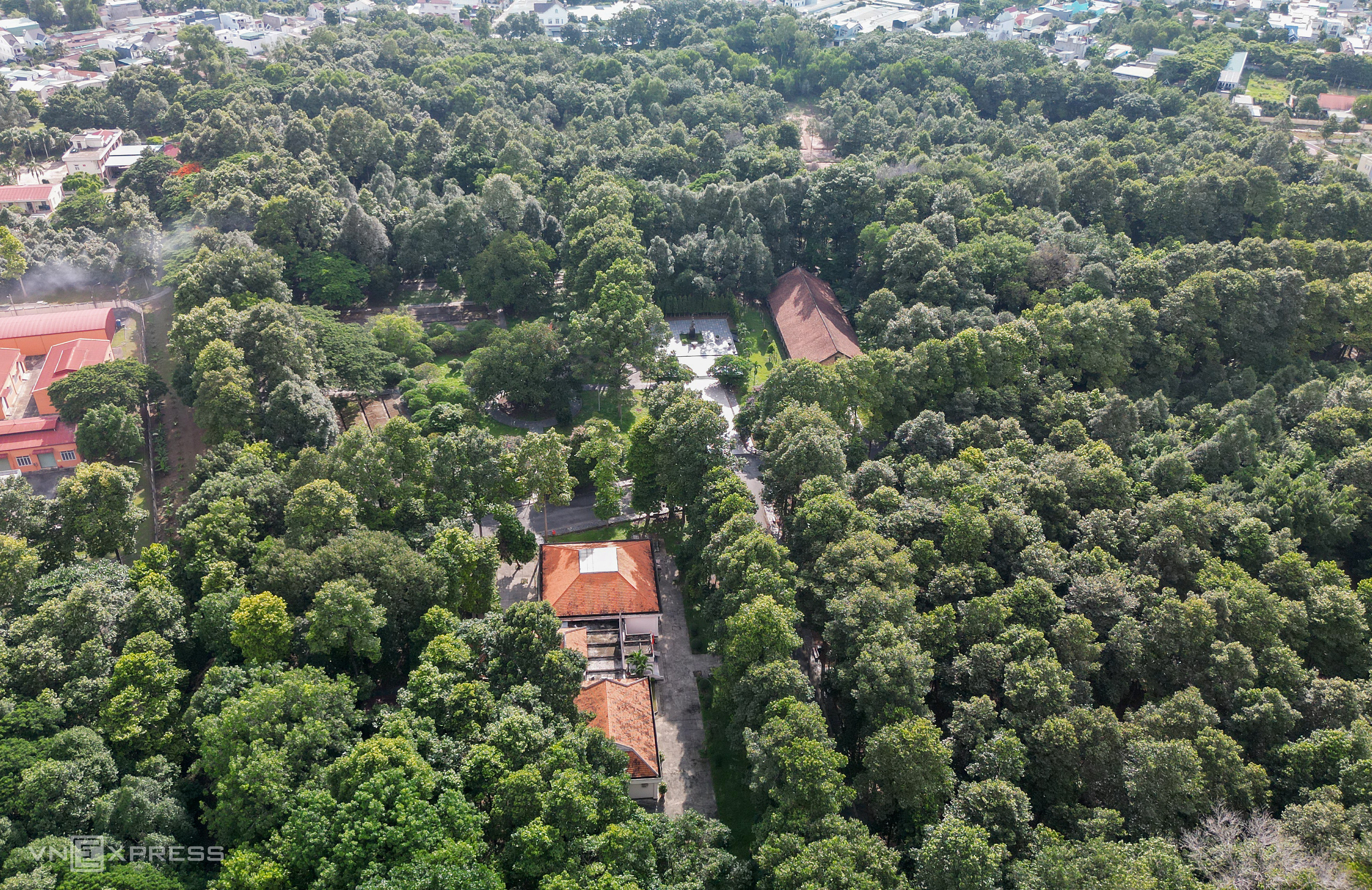 |
Phu Loi prison, recognized as a national historical revolutionary relic in 1980, offers a comprehensive view of its past.
Located approximately 35 km from the center of Ho Chi Minh City, the site is open free of charge from 7h to 17h, monday to friday. Visitors planning to come on weekends need to contact in advance.
Quynh Tran