A United Nations (UN) aviation agency report issued on 9/4 highlighted that mental health risks for aviation personnel in conflict zones have been elevated to an alert level "detrimental to flight safety". Aviation staff working near conflict areas frequently experience high levels of stress, anxiety, and fatigue, both on the ground and in the air.
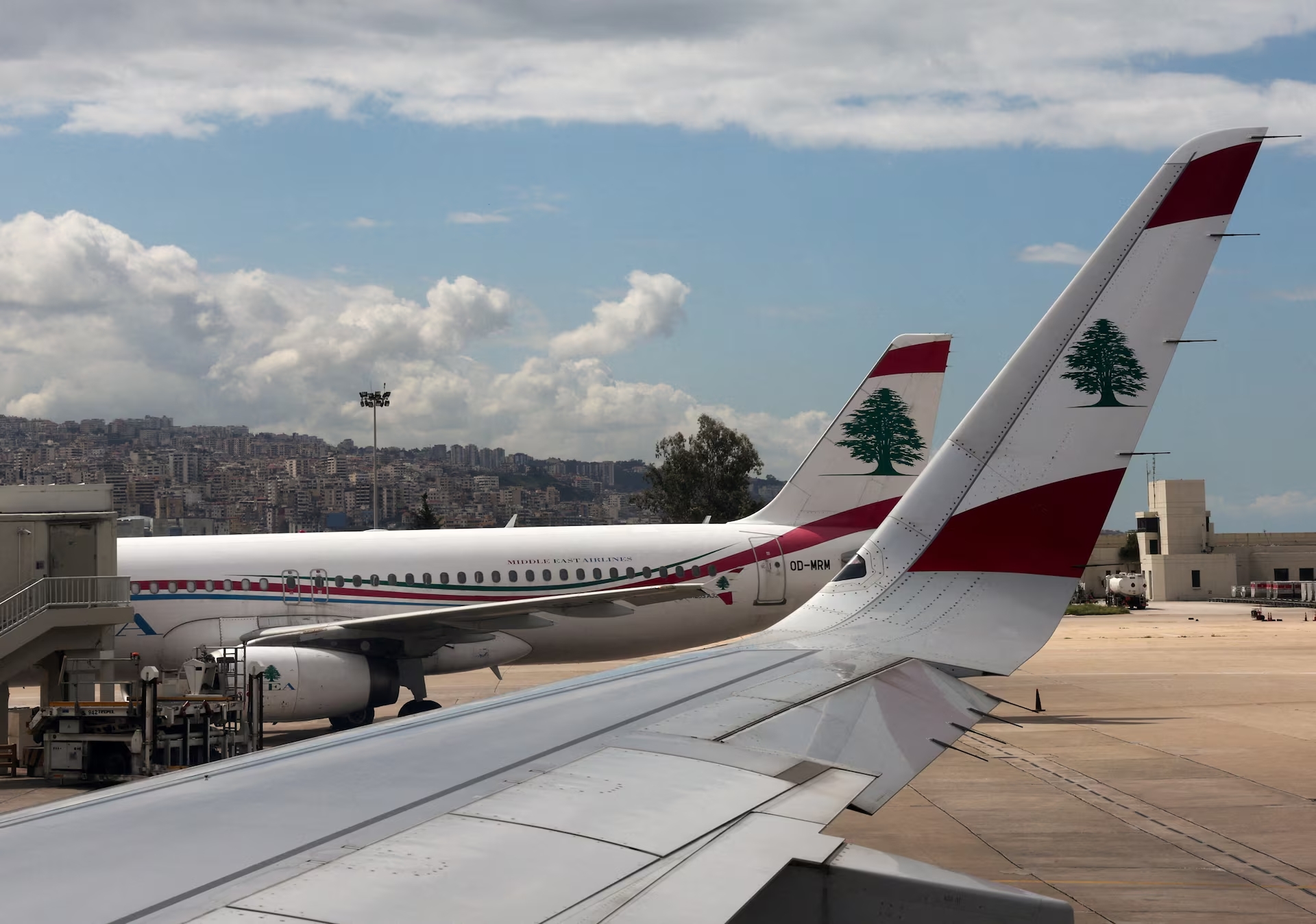 |
Beirut international airport on 31/3, when many flight paths were closed due to conflict risks. Photo: Amr Abdallah Dalsh |
Beirut international airport on 31/3, when many flight paths were closed due to conflict risks. Photo: Amr Abdallah Dalsh
Ron Hay, President of the International Federation of Air Line Pilots' Associations (IFALPA), cited the experience of flight crew members in Beirut, Lebanon. "The road from the airport to their homes was completely bombed, and they didn't even know how they could get home safely after a flight," Hay stated.
According to Hay, pilots globally are facing significant psychological pressure. Many fear severe disciplinary action for refusing assignments due to safety concerns. Some are afraid of dismissal, while others face income reductions. Airlines might not fire pilots, but management could warn them that non-compliance would result in unpaid leave.
"The fear of reprisal is implicitly present," Hay told Reuters. Pilots from Lebanon to India have expressed unease about unpredictable flight conditions, where airspace can close at any moment due to missile or unmanned aerial vehicle (UAV) attacks.
While declining to name specific airlines, Hay asserted that this situation demonstrates a lack of "positive safety culture," where pilots should be encouraged to voice concerns about risks. This issue is believed to have long existed in the Middle East and has been exacerbated by the current conflict.
Even amidst ceasefire discussions, the European Union Aviation Safety Agency (EASA) extended its prohibition on European airlines flying over the airspace of some Gulf nations, including the United Arab Emirates (UAE) and Qatar, until 24/4. In contrast, airlines operating from Dubai, Doha, and India have continued their flights.
Many major airlines in the Gulf region affirm their commitment to safety, operating through dedicated flight corridors agreed upon with regulatory bodies. However, most pilots in the Gulf avoid questions about their working conditions, amid widespread concerns about potential disciplinary actions from airlines.
Given these complex developments, the IFALPA President underscored that airlines must respect pilots' absolute right to make decisions regarding flight safety.
In India, a group of IFALPA member pilots sent a letter to the country's civil aviation regulatory authority, describing Air India's continued operations to the Gulf region as a "serious concern." They urged the suspension of these activities until a focused risk assessment report is completed.
Air India stated it has engaged risk consultants to monitor daily safety, while India's aviation regulatory authority has not yet issued an official comment.
Mai Phuong (According to Reuters, The Independent)