 |
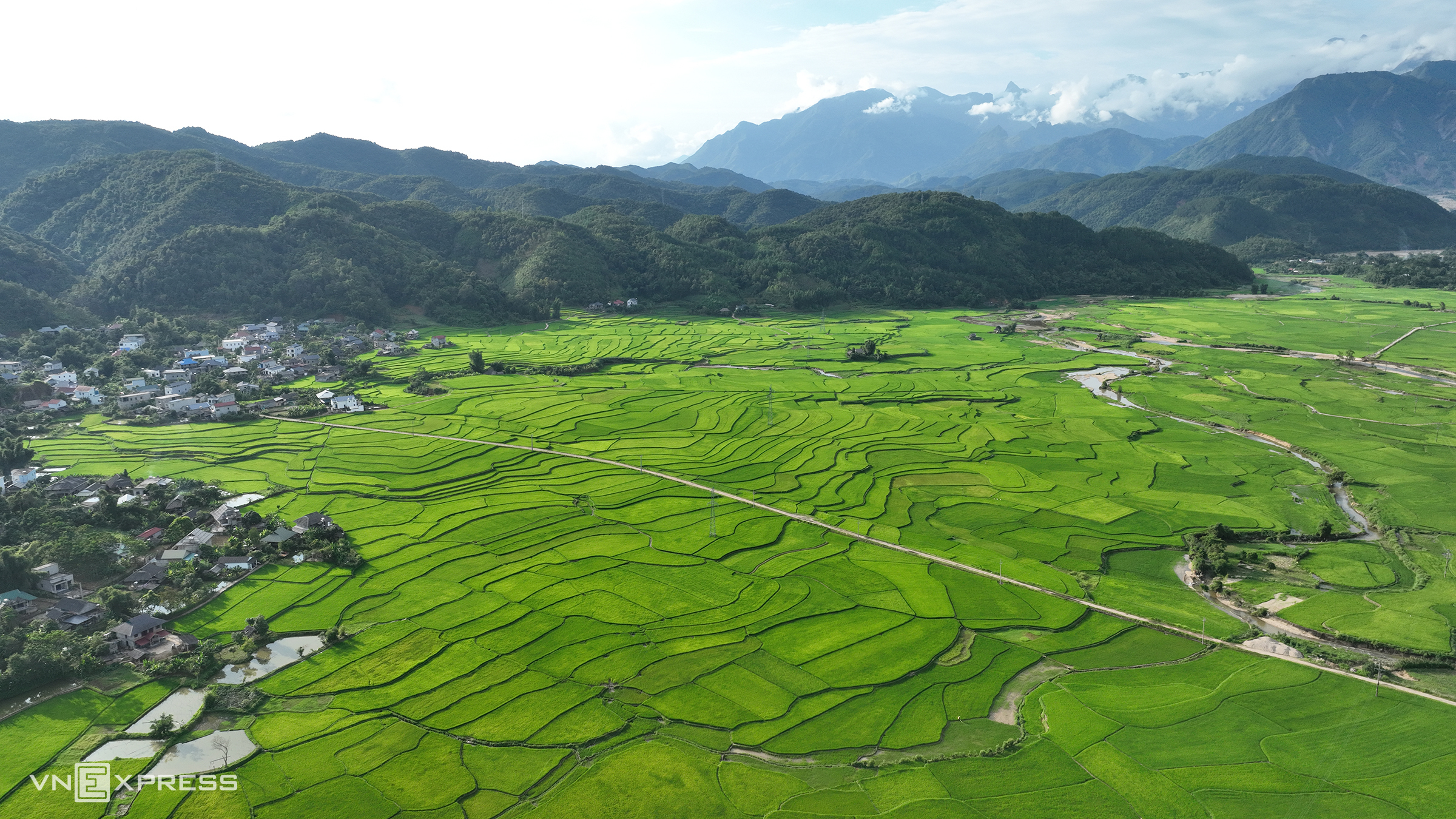
The Muong Than field spans over 2,000 ha, situated at an elevation of about 600 m above sea level. It stretches across a valley nestled between mountain ranges in Muong Than and Than Uyen communes. This area is one of the Northwest region's largest and most renowned rice production zones, and a popular destination for tourists during the ripe rice season.
{"caption_all":"The terraced rice fields in Doi 11, Muong Than commune, retain their green color amidst the land that bore the brunt of the flash flood on the morning of july 17. The floodwaters from upstream, rushing down into Muong Than, resulted in nine fatalities, nine injured, destroyed many terraced fields, and buried about 300 ha of rice, crops, and aquaculture in the commune.","caption_items":"["",""]"}
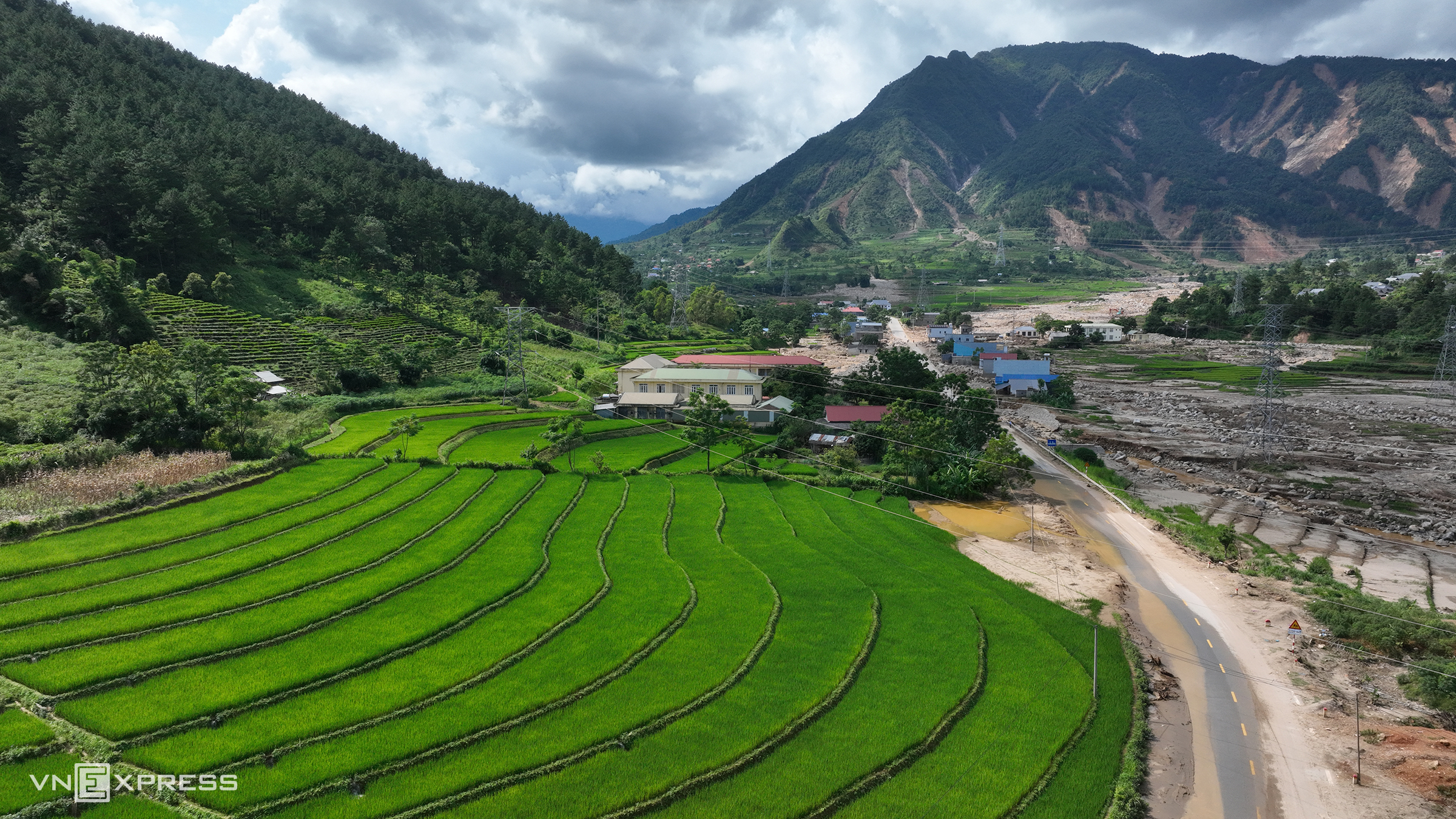 |
Over 10% of the Muong Than field was buried under soil and rocks. When the flash flood occurred, the rice had just been planted. The remaining rice fields are now growing amidst areas still littered with mud, soil, and rocks.
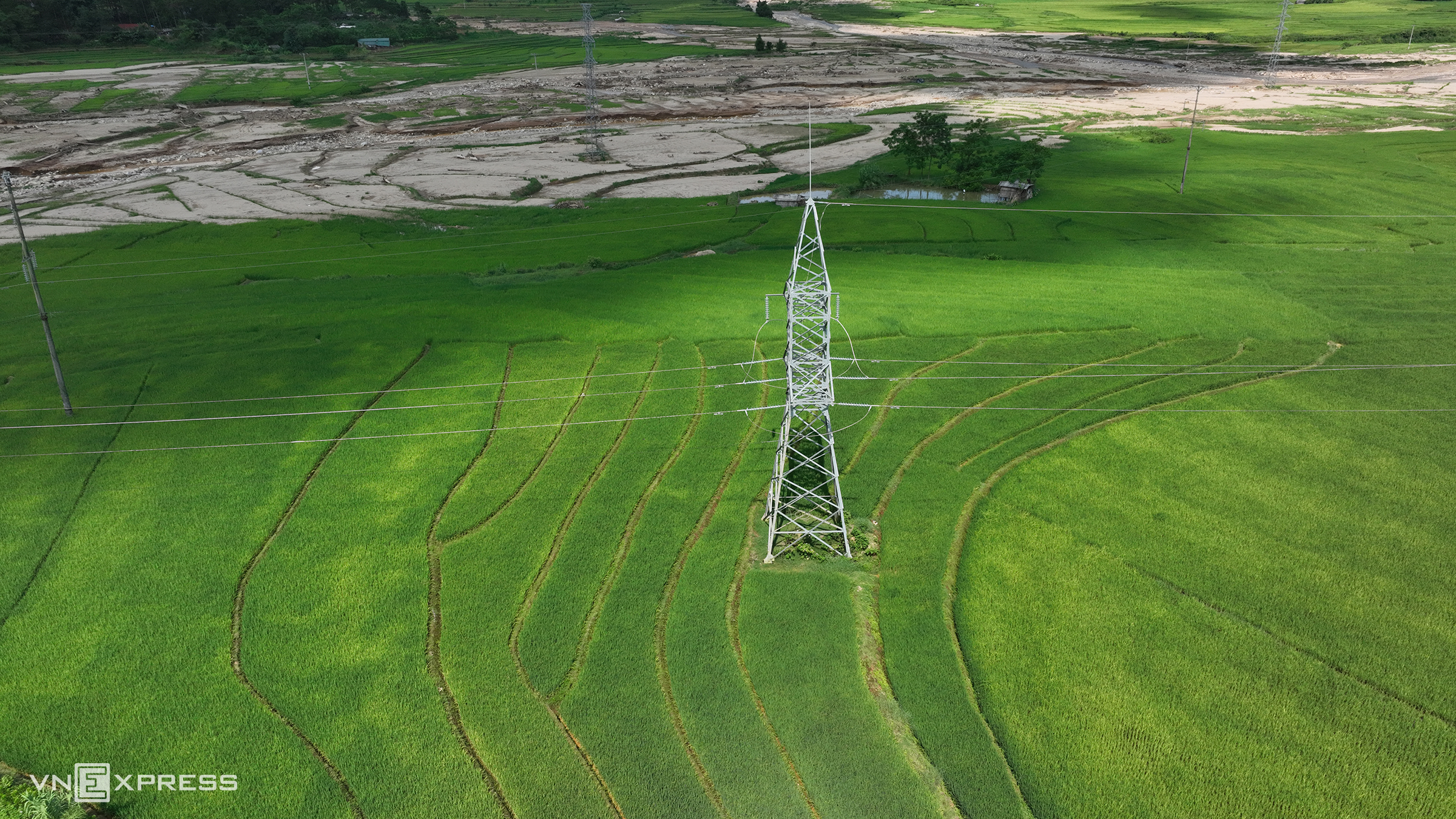 |
In Doi 11, Muong Than commune, one of the most severely affected areas, the scene of the flash flood largely remains, though national route 32 has been cleared. Residents have relocated to a resettlement area 4 km away.
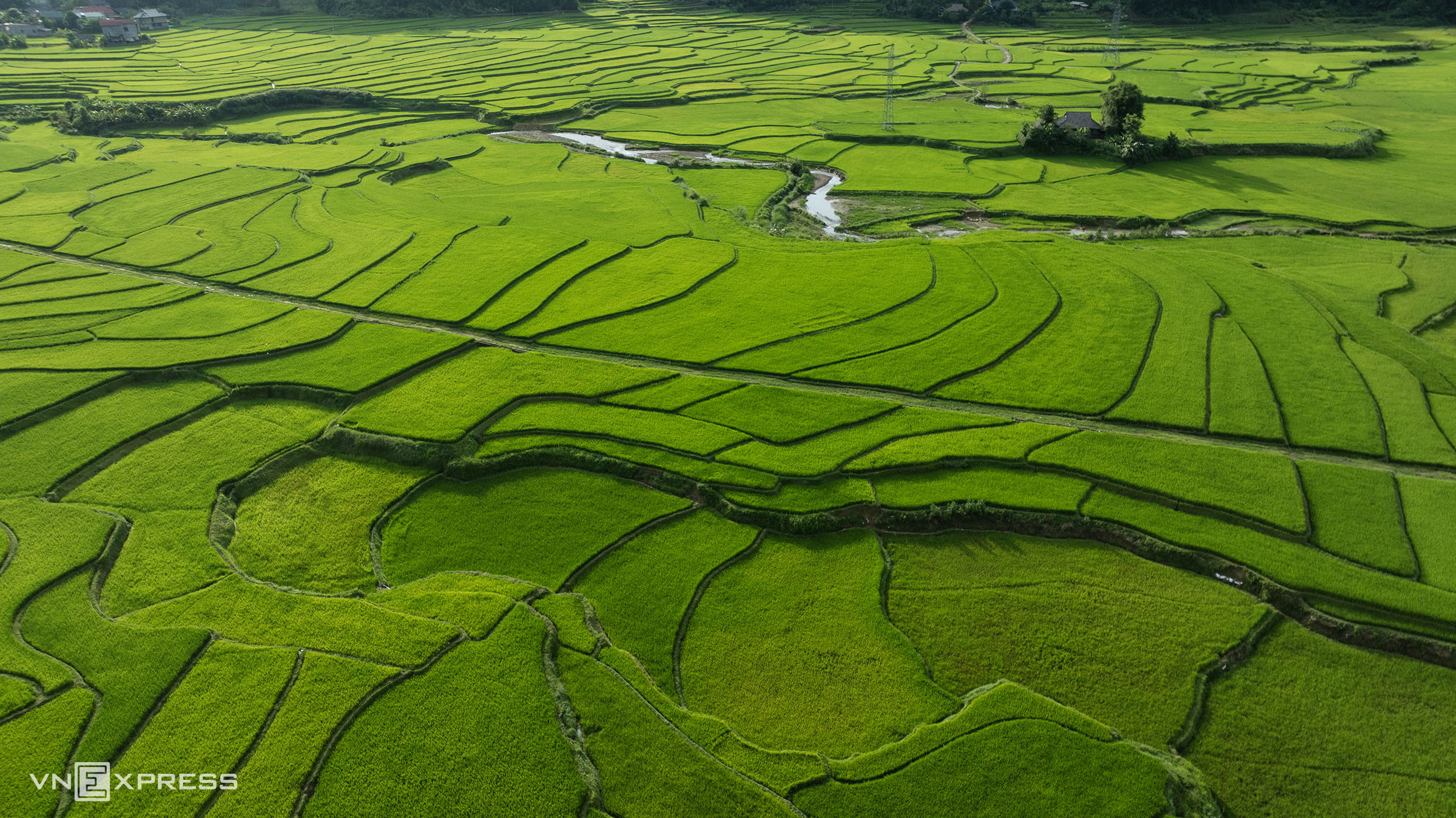 |
The Muong Than field was once one of the four largest and most famous fields in the Northwest region, immortalized in the saying "Nhat Thanh, nhi Lo, tam Than, tu Tac."
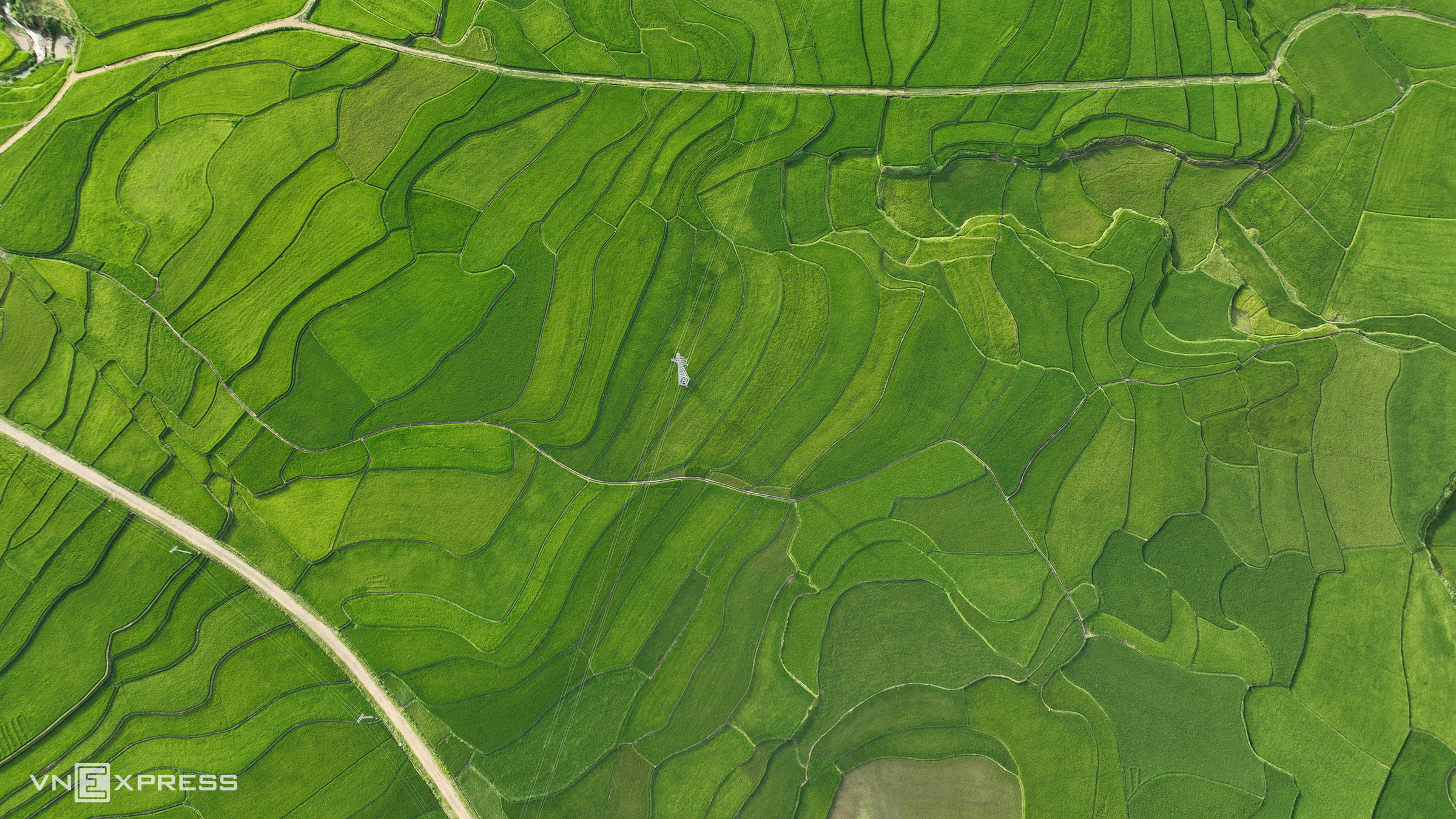 |
The Muong Than field is not only vital for local rice production but also attracts tourists during both the green rice and ripe rice seasons.
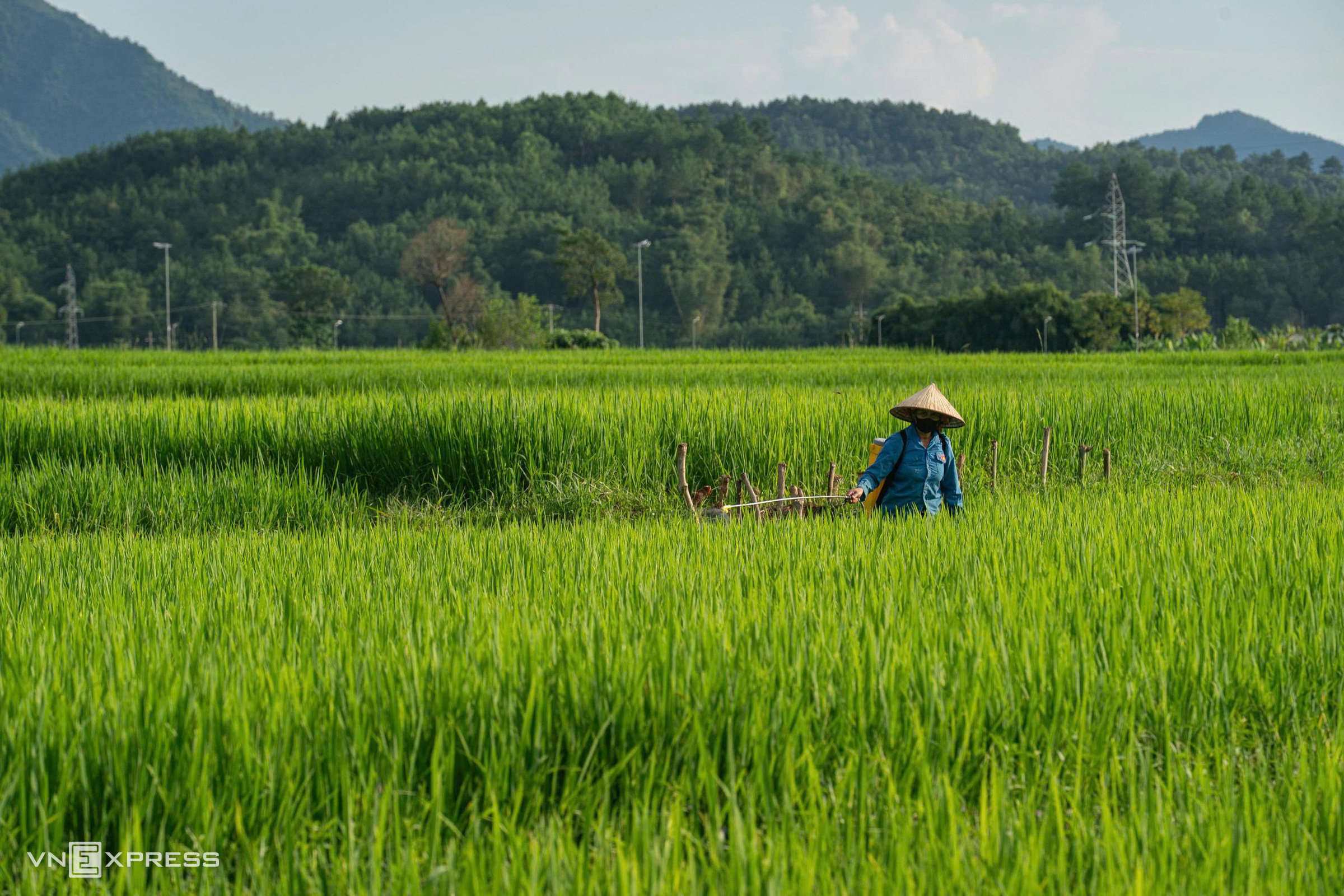 |
Every year, Tu Thi E's family, members of the Thai ethnic group in Muong Than commune, cultivates their 1,200 m2 field two times. The rice typically ripens to a golden hue in april and september. Following the natural disaster, she is gradually restoring production, bringing green back to the land.
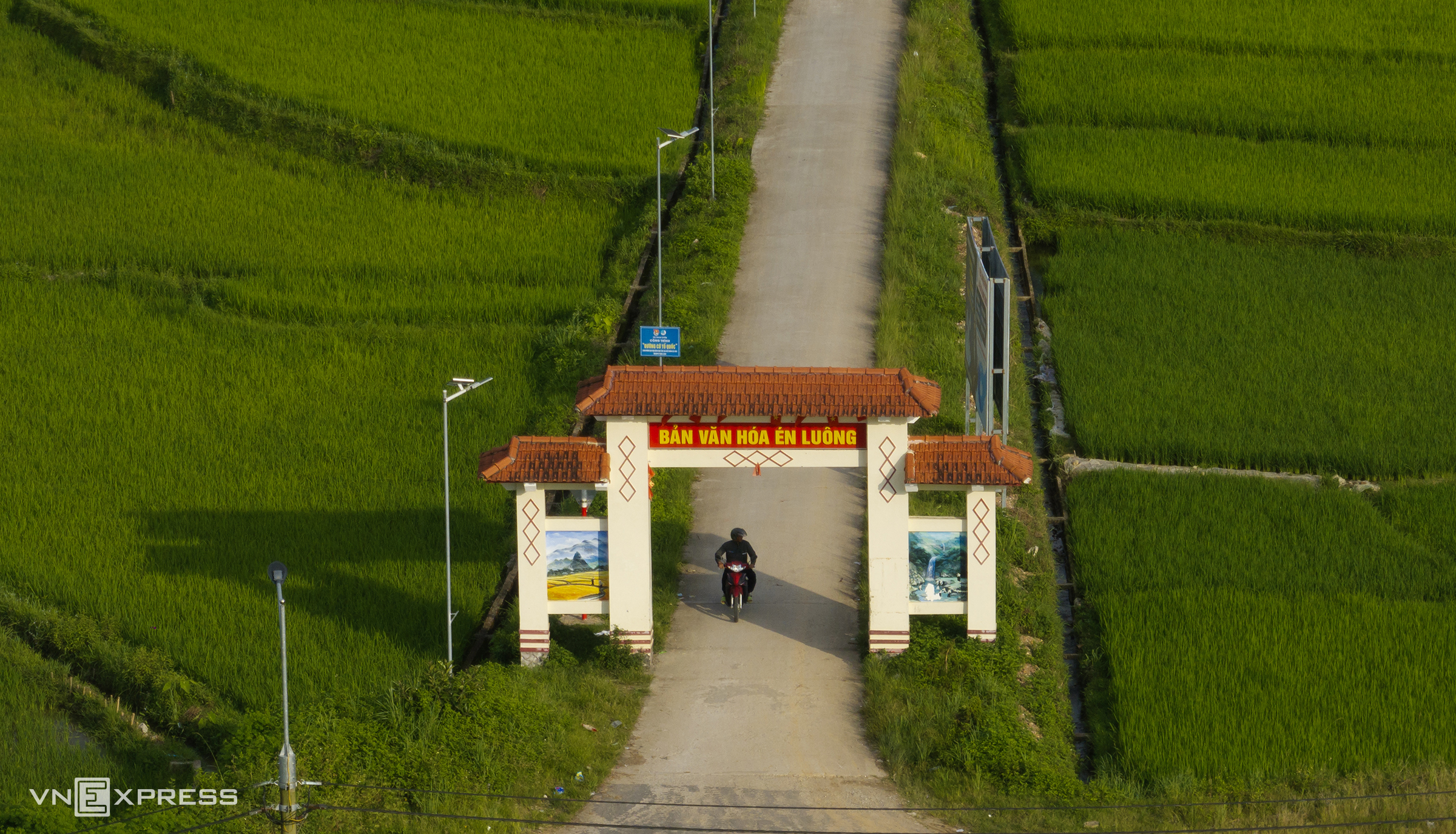 |
The road leading to the En Luong cultural village is flanked by the rice paddies of the Muong Than field.
Muong Than is among the destinations developed for community and ecological tourism in Than Uyen, alongside sites such as Pa Khom Bay, Ta Gia Bay, Ban Chat hydroelectric lake, Huoi Quang, and various cultural villages.
According to the Lai Chau provincial tourism portal, july to september is ideal for exploring the field, when the rice transitions from green to golden. Visitors can combine sightseeing with agricultural experiences, learn about ethnic cultures, and enjoy local cuisine.
Ngoc Thanh - Hoang Giang - Gia Chinh