 |
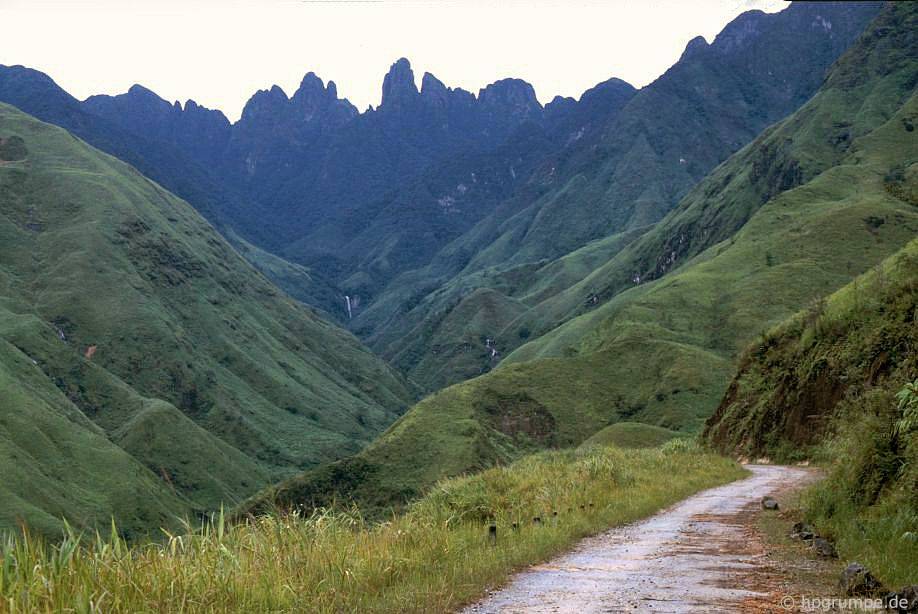
Hans-Peter, a German tourist, arrived in Sa Pa in 1992 when the town had not yet developed tourism. Infrastructure was limited then; the 200 km journey from Lai Chau to Sa Pa took 10 hours, traveling on a dirt path through sparsely populated rural areas.
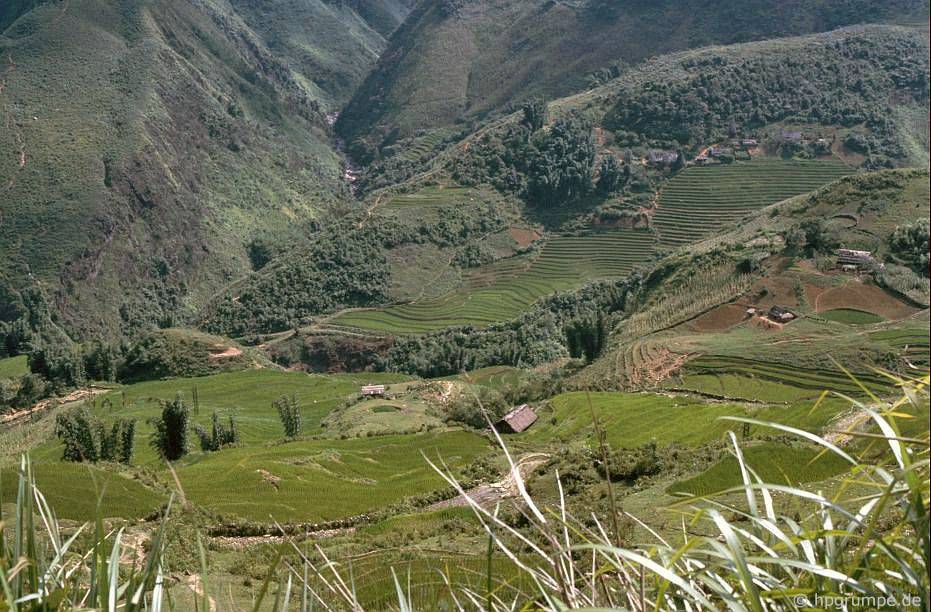 |
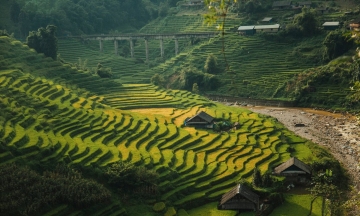
The terraced rice fields in Sa Pa during a time without many tourists. In 1992, Sa Pa had no resorts. When it first opened, foreign tourists wishing to visit areas beyond the usual routes required a special permit from Hanoi.
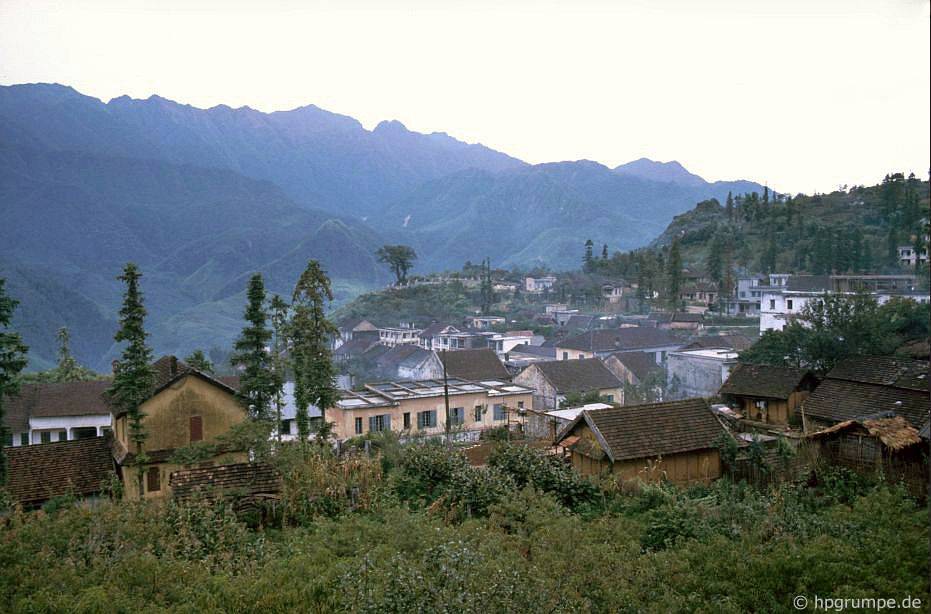 |
Recalling his first trip, Hans-Peter stated that he and his guide had to spend two hours at the police station due to an incorrect passport number on their permit.
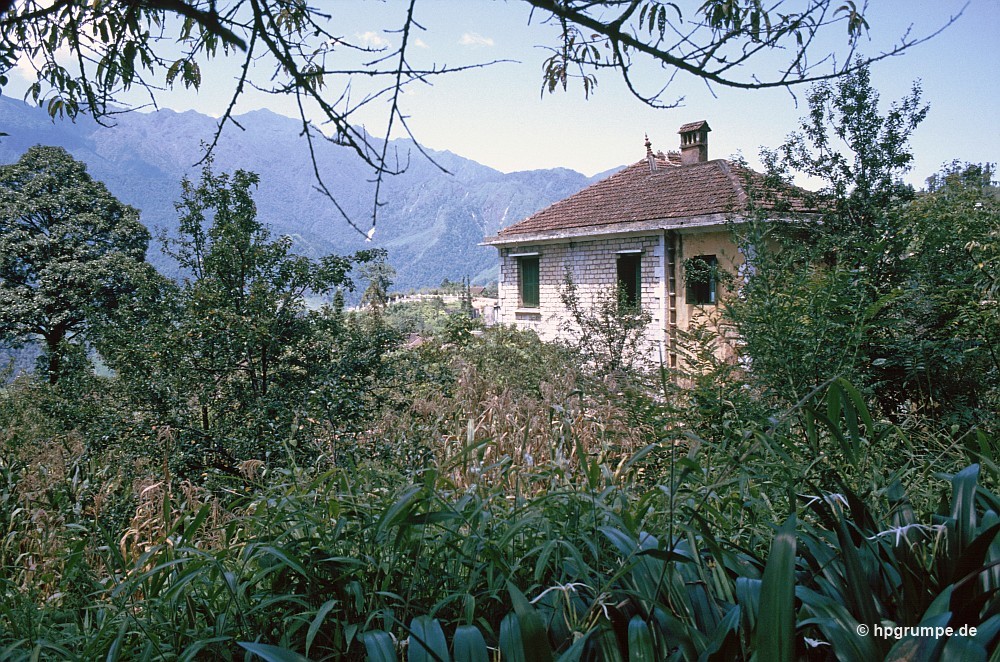 |
The German visitor stayed in an old French villa converted into a guesthouse—the only option in Sa Pa at the time. From the balcony, he could survey the mountainous landscape. Hans-Peter's most memorable experience was finding both bats and mice in his room at night.
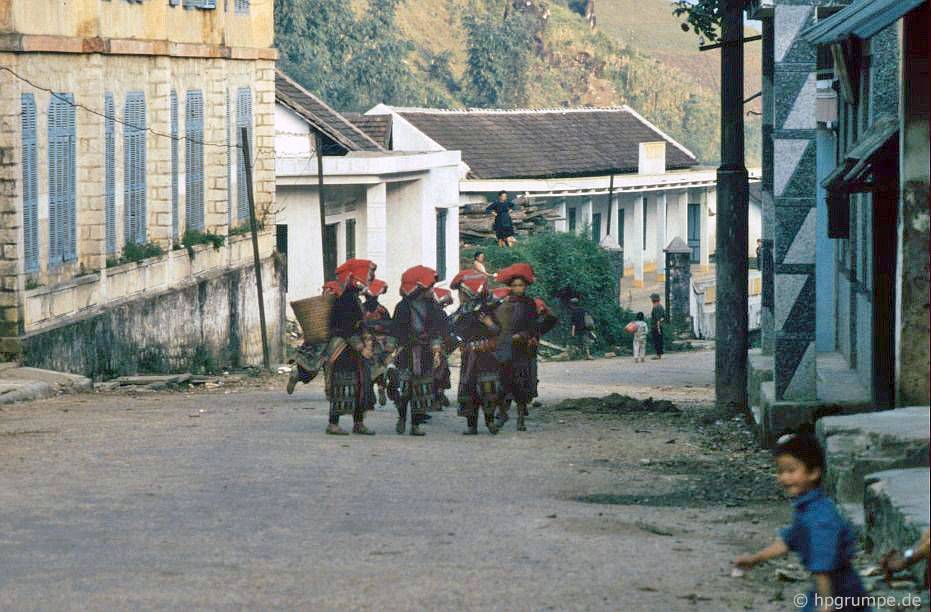 |
In Hans-Peter's memory, the weekend market in 1992 served as a cultural hub for local people. From early morning, Hmong, Thai, and Dao ethnic groups from distant villages, walking 40 km, converged on central Sa Pa.
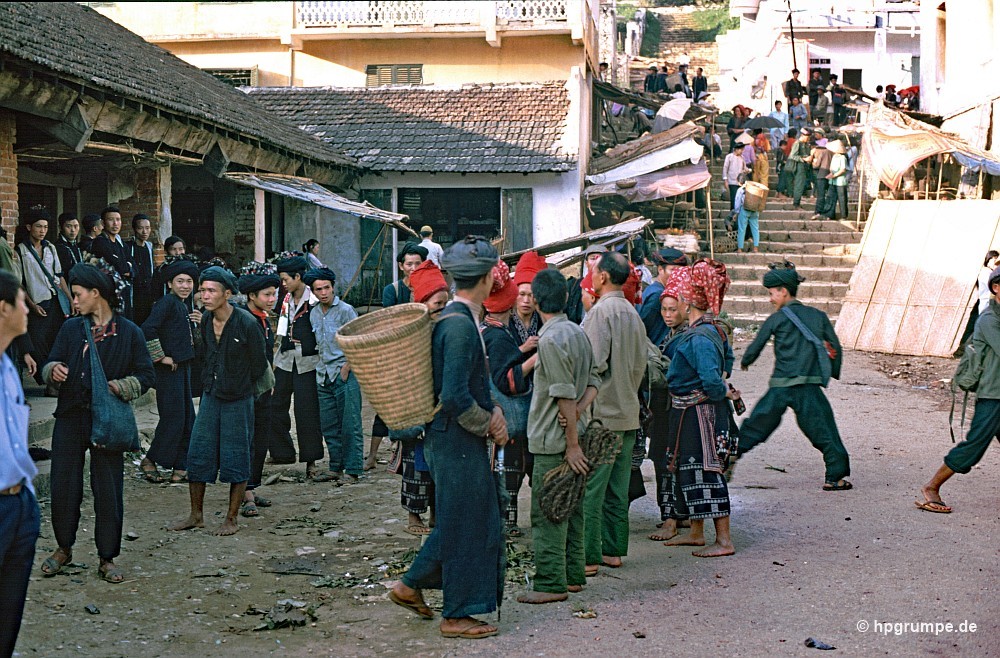 |
Hans-Peter mentioned that he and a Frenchman were among the few foreign visitors at the highland market. The presence of two white individuals often drew hesitant, scrutinizing glances from the locals.
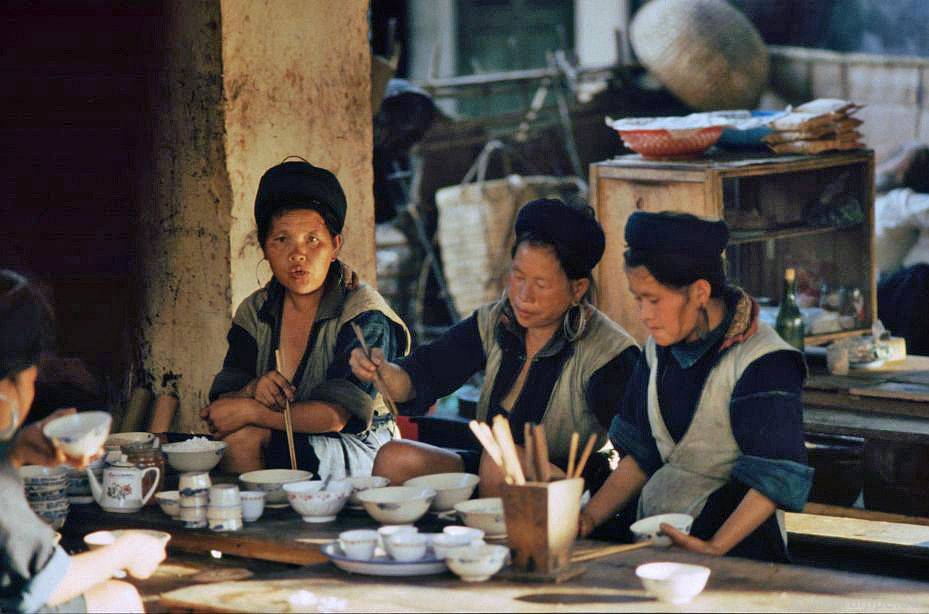
Hmong people ate breakfast at the highland market. The German tourist was impressed by the handmade indigo-dyed costumes, the large silver earrings worn by women, the custom of shaving eyebrows, and the large red scarves of the Dao people.
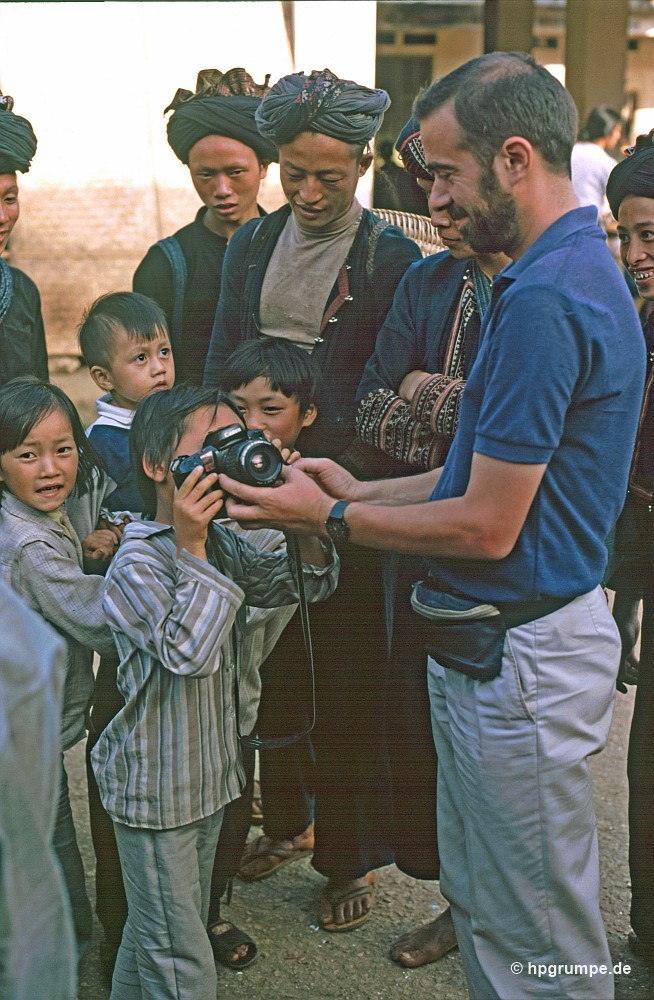
"At that time, people were very camera-shy; they often hid or ran away when I raised my camera to take a picture," Hans-Peter said.
 |
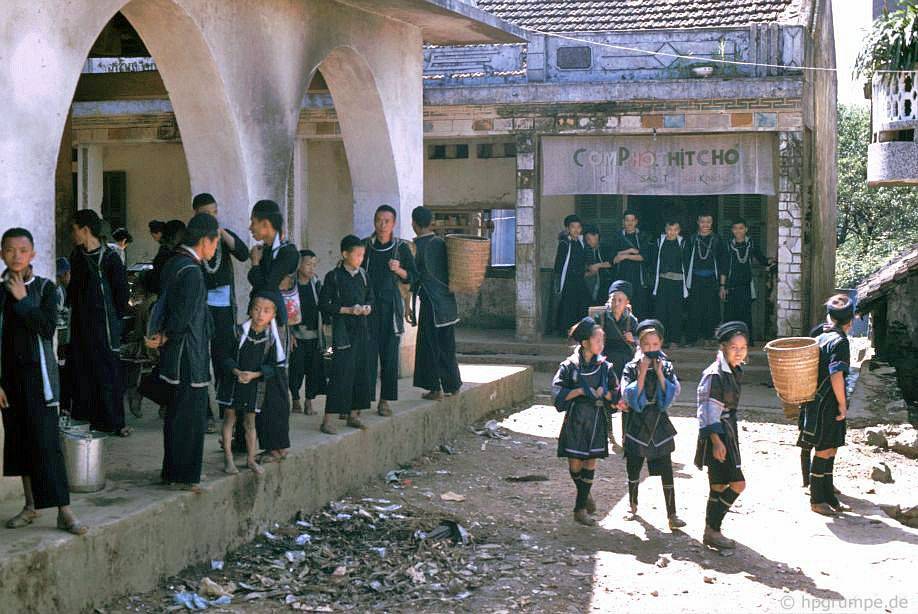
The market scene during the day transformed into the Sa Pa "love market" at night. Hans-Peter vividly remembers the bustling sounds of the love market held on weekend evenings, where young men and women courted each other through call-and-response singing.
"My biggest regret is not bringing recording or filming equipment at that time," Hans said.
 |
By 1993, Vietnam officially abolished the special permit requirement for foreign tourists. Sa Pa began welcoming its first tour groups. On a flight from Germany to Hanoi that year, Hans-Peter advised one or two French individuals to visit Sa Pa.
The mountain town then had a few accommodations, hosting about 30-40 guests simultaneously. Ethnic minority people brought their traditional costumes and brocade jewelry to the central market to sell to tourists.
 |
After 34 years, Sa Pa has become a renowned international tourist destination. The once-pristine town now boasts hundreds of hotels and secluded resorts.
Hans-Peter has not had the chance to return to Sa Pa in three decades, stating he wishes to preserve his memories of the mountain town, surrounded by majestic forests and vibrant local markets.
Mai Phuong
*Photos: Hans-Peter Grumpe*