 |
On 7/7, CNN announced the Economist Intelligence Unit's (EIU) ranking of the world's most livable cities for 2026.
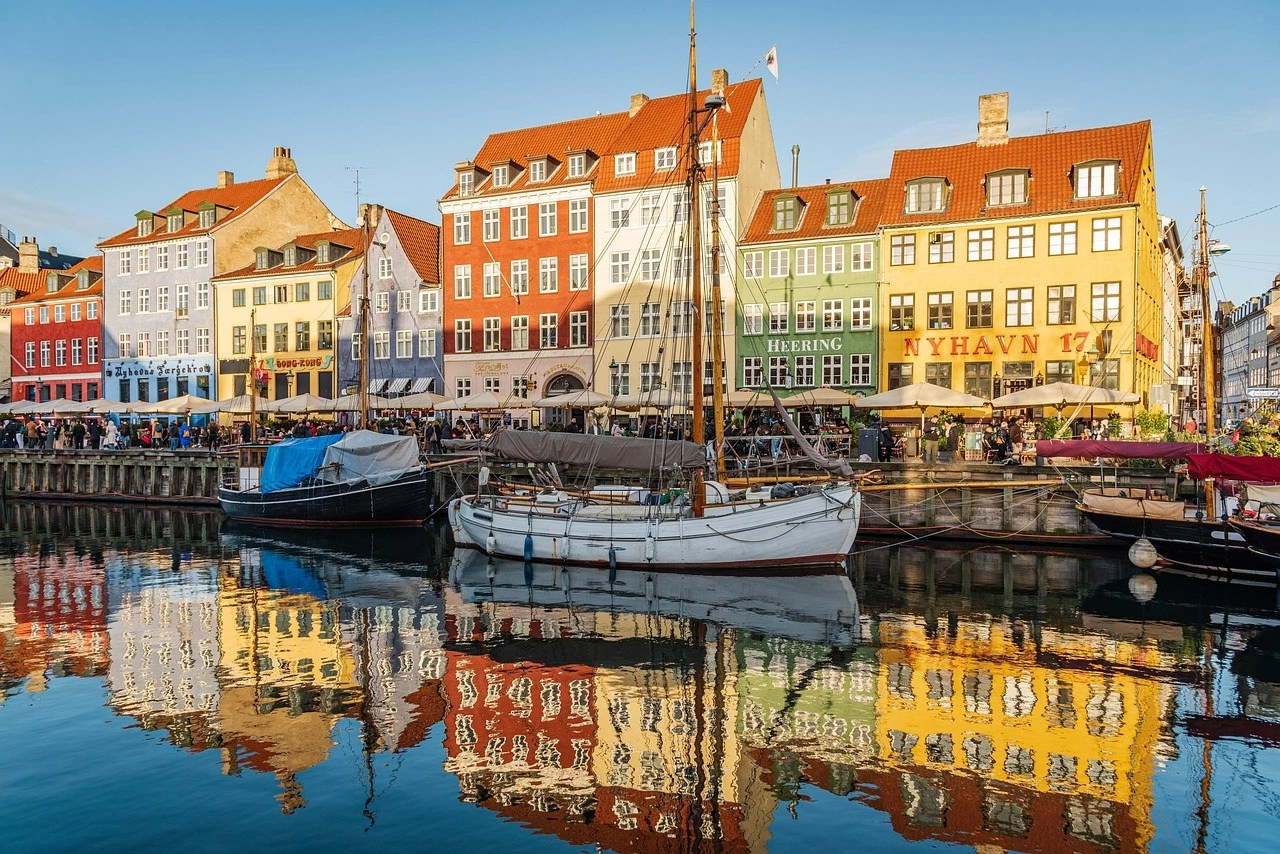
Denmark's Copenhagen achieved perfect scores in three categories: stability, infrastructure, and education.
The EIU attributes Copenhagen's continued success to "a combination of excellent scores for stability and infrastructure, a high-quality cultural environment, and a very high standard of public services." Photo: Pixabay
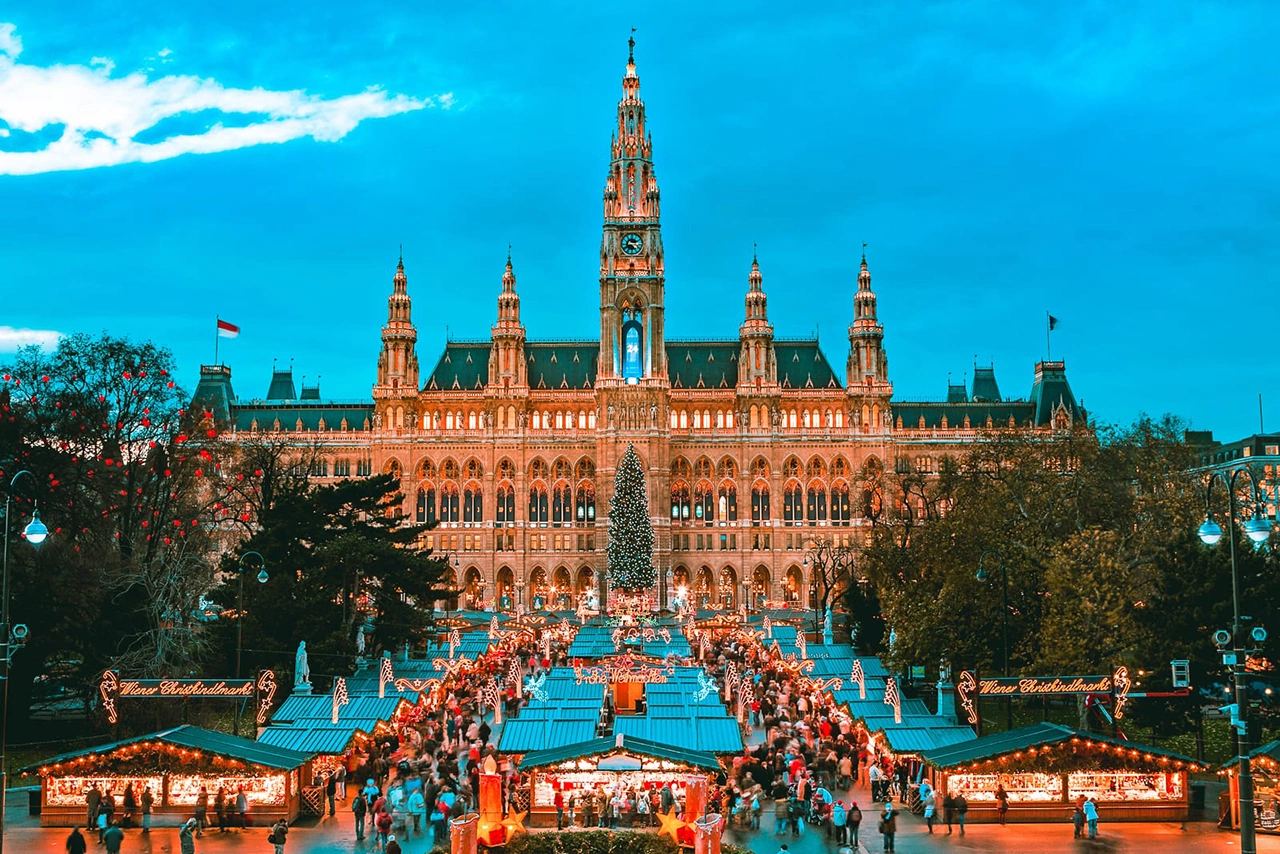 |
Vienna, Austria's capital, secured second place. The city previously topped the list for many years and this marks the second consecutive year it has been surpassed by Copenhagen.
Despite being the smallest of Austria's nine states, Vienna has the largest population. The city is considered one of Western Europe's ancient capitals that remains well-preserved. Its historic center, Innere Stadt, is compact and ideal for exploration on foot.
The city's skyline is defined by the spire of St. Stephen's Cathedral and the giant Ferris wheel in Prater Park, one of Vienna's iconic landmarks. Photo: Hand luggage only
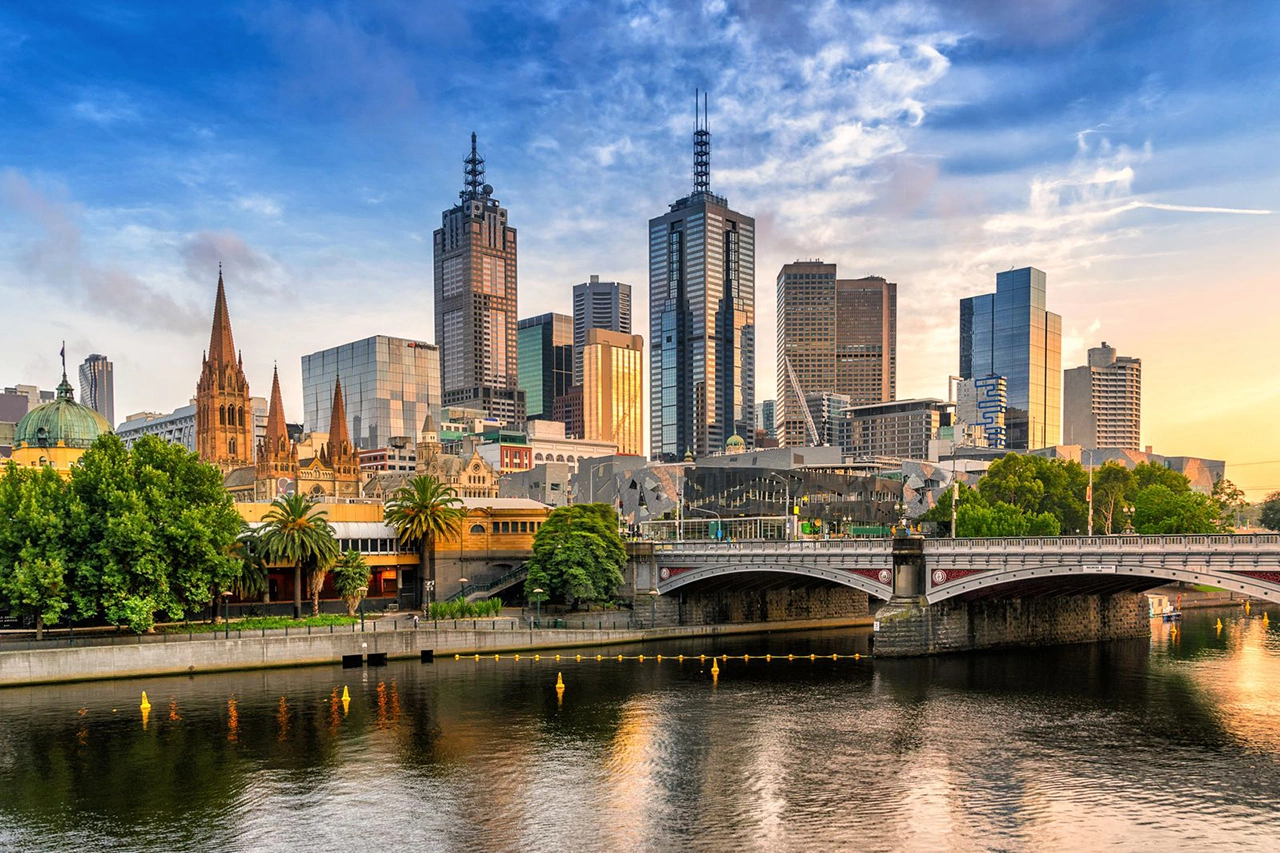 |
Melbourne, the capital city of Victoria, Australia, climbed to third place, one spot higher than last year. Located on the southeast coast, its central area is home to approximately 136.000 people. In Australia, Melbourne's population ranks second only to Sydney.
The EIU, a research division of The Economist magazine in the United Kingdom, assessed 173 cities globally based on various criteria. These criteria include education, stability, healthcare quality, infrastructure, culture, and environment. Photo: Hand luggage only
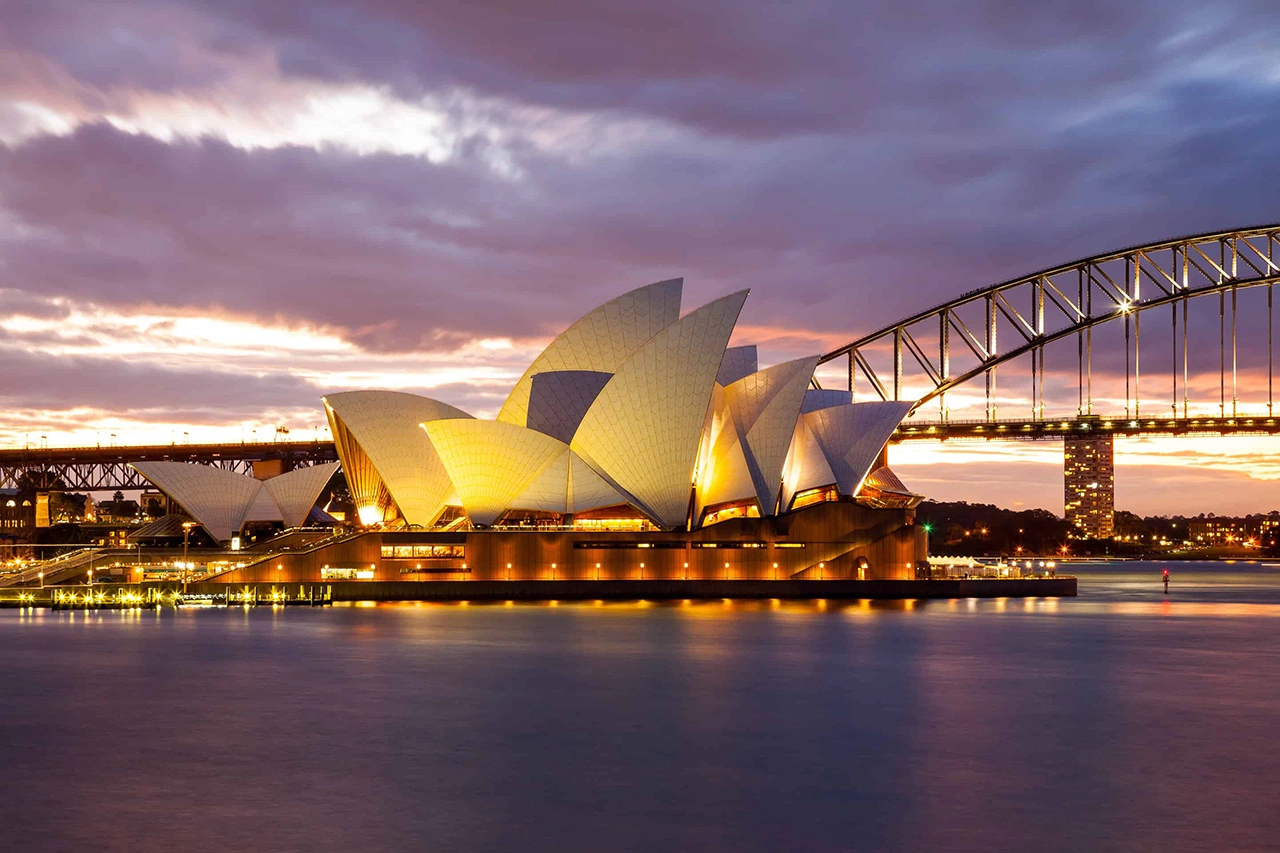 |
This year, Sydney ranked 4th, two places higher than the previous year, achieving perfect scores in education and healthcare.
Sydney, the capital of New South Wales, is Australia's largest city, situated on the country's southeastern coast.
Sydney is built on low hills surrounding a large harbor with numerous coves, inlets, and estuaries. Key landmarks include the Sydney Harbour Bridge, one of the world's longest steel arch bridges, and the Sydney Opera House with its white, sail-shaped shells. Photo: Way farer
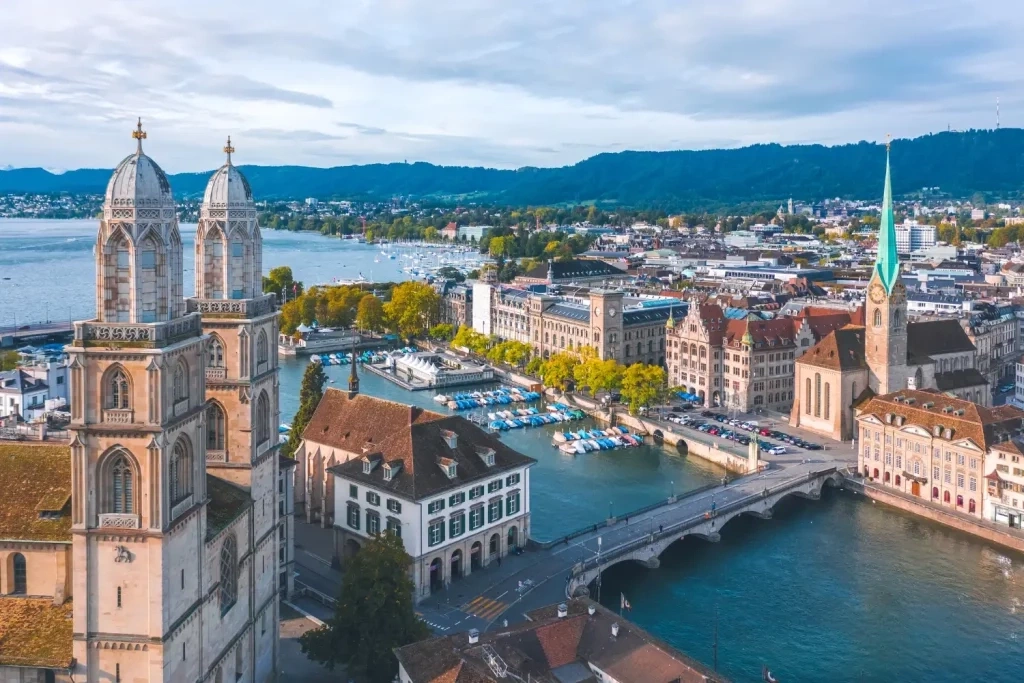 |
Zurich, Switzerland, which tied for second place with Vienna last year, dropped three places in this year's rankings.
Zurich, Switzerland's largest city, is the capital of the canton of Zurich. The destination stretches between two forest-covered hill ranges, about 60 km from the northern foothills of the Alps. The two rivers, Limmat and Sihl, flow through the city center, contributing to its distinctive landscape.
The city's west and northeast are bordered by the Albis mountain range, home to the 870 m high Üetliberg peak, often called the "roof of Zurich" due to its panoramic views of the lake, mountains, and urban area. The city covers an area of approximately 88 km2.
Zurich is also the birthplace of many famous writers such as Gottfried Keller, Conrad Ferdinand Meyer, and Max Frisch, affirming the city's position as a leading cultural and academic center in Europe. Photo: Highlands 2 hammocks
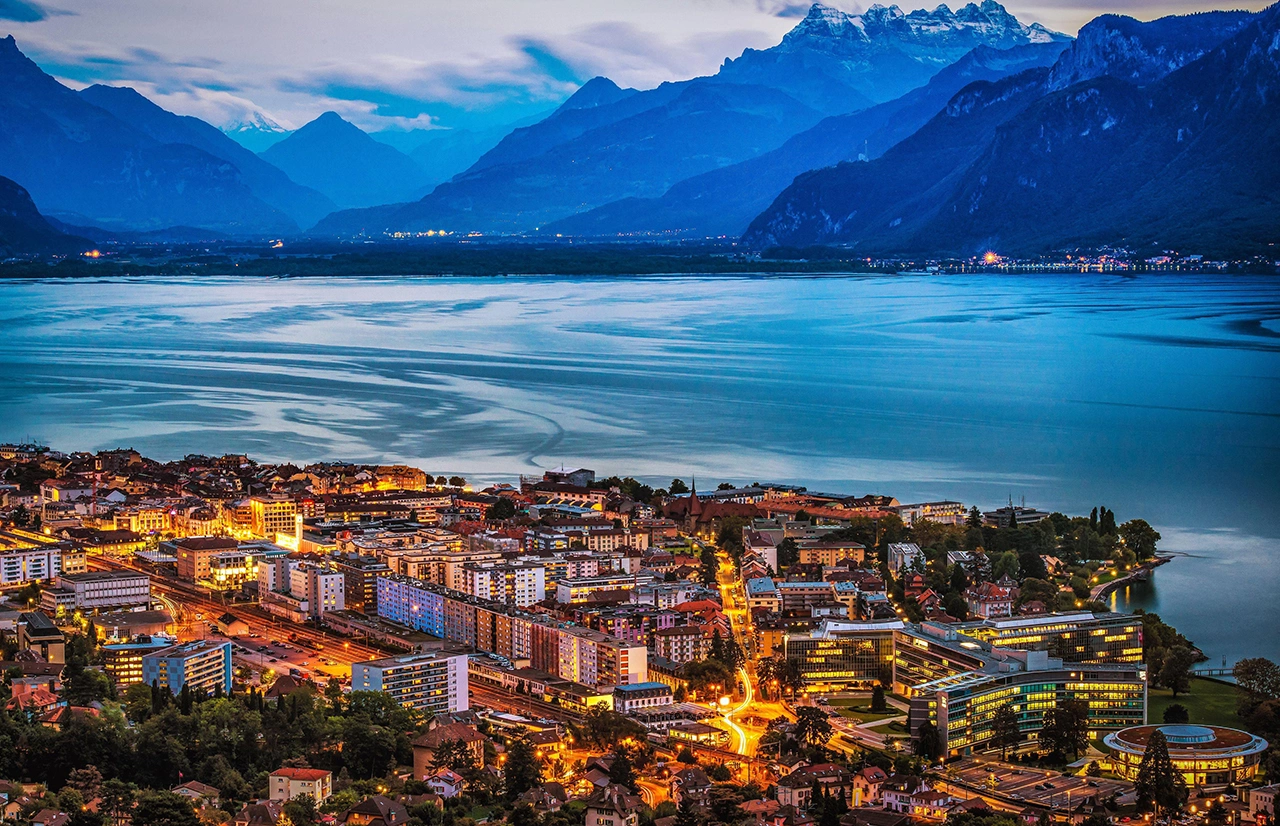 |
Geneva, Switzerland's second largest city, ranked 6th on the list of the world's most livable cities for 2026.
Geneva is the capital of the canton of Geneva, located in the southwestern corner of Switzerland, near the French border. The canton of Geneva covers approximately 282 km2, with the inner-city area of Geneva itself only about 18 km2.
The city's prominence is not primarily due to its geographical advantages, but rather its human values, ideas, and institutions. For most of its history, Geneva was an isolated territory. It was not until 1815 that the city's current borders were fully established.
Throughout its development, the city consistently served as an important commercial hub, connecting German-speaking Central Europe with Mediterranean countries.
Today, Geneva's economy primarily relies on the service sector. The city remains an influential financial center and hosts numerous international organizations, both public and private. Photo: Wallpaper
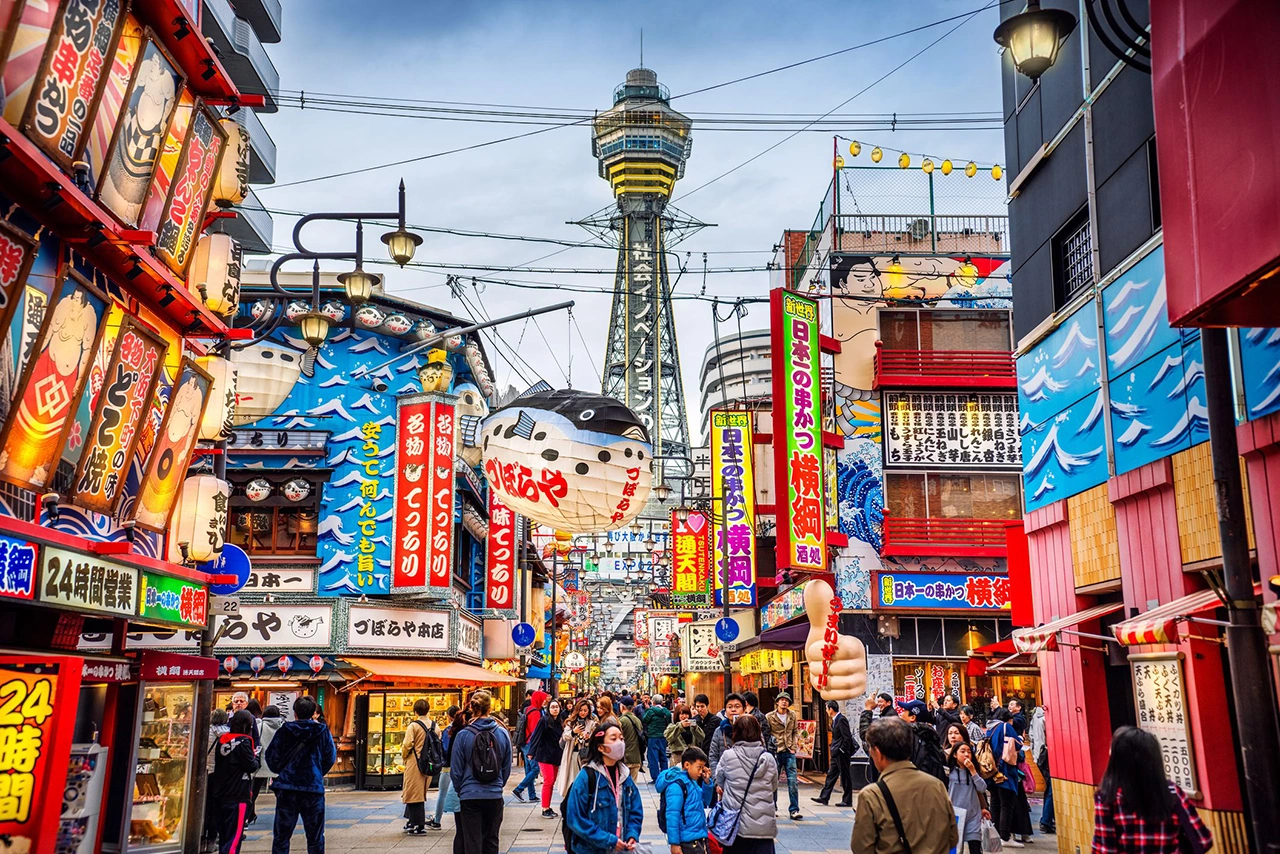 |
Osaka, Japan, is the next destination mentioned on the list, maintaining its position from the previous year.
As the industrial, financial, and cultural hub of Western Japan, Osaka is located in the south-central Honshu island. Along with the two neighboring cities of Kobe and Kyoto, Osaka forms the Keihanshin industrial region, Japan's second largest metropolitan and industrial center, after the Tokyo metropolitan area.
Osaka's street system is laid out in a grid pattern. From the port area, Hommachi street extends eastward to Osaka Castle, a structure built by Lord Toyotomi Hideyoshi in the 16th century, which is now a popular international tourist attraction. Parallel to Midō-suji Avenue is Shinsaibashi street, the city's most famous and bustling shopping district.
The central core of Osaka is primarily dedicated to commercial activities. Green spaces within the city are limited, though it does have some large parks. Outdoor resorts and entertainment areas are mainly concentrated in the suburbs, along the coast, and around Lake Biwa, near Kyoto. Photo: Trip Savvy
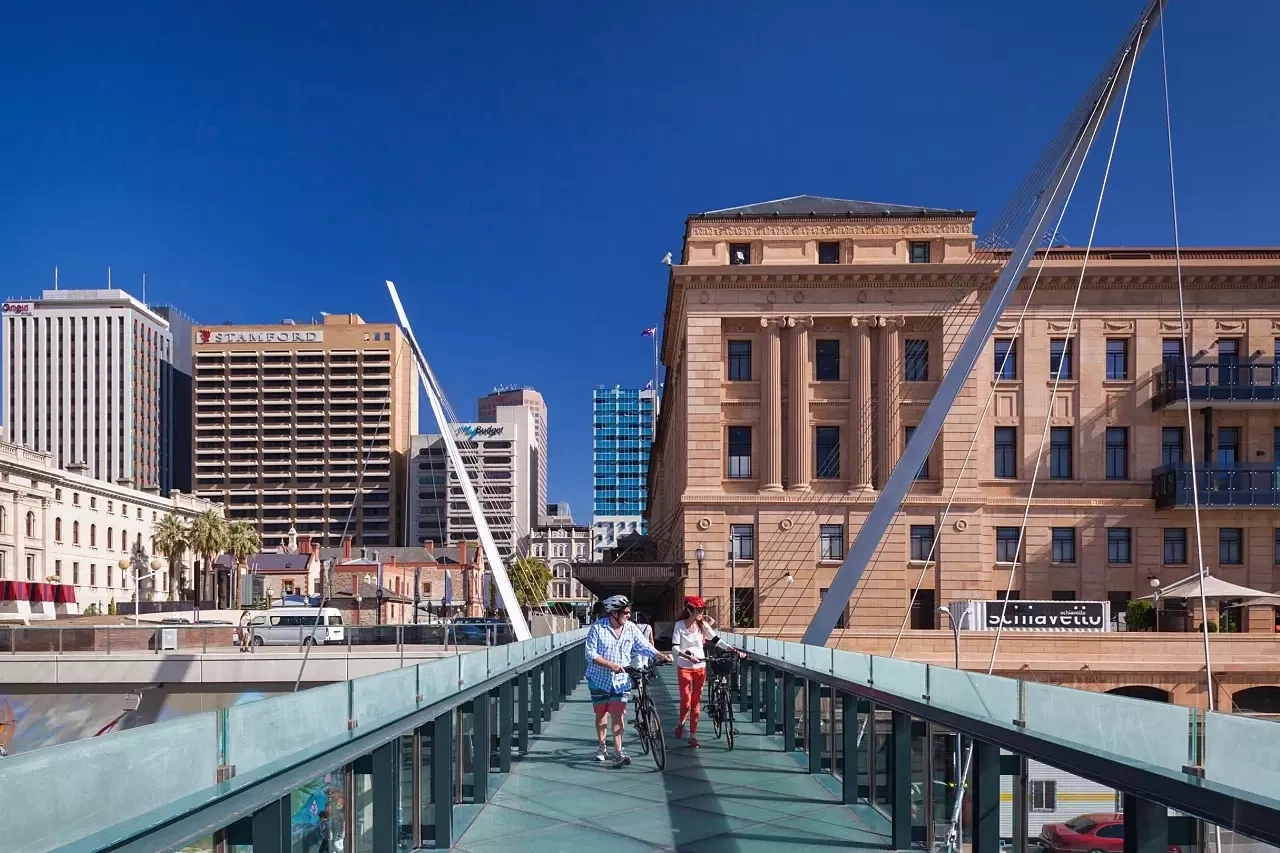 |
Adelaide, Australia, ranked 8th.
The city is situated at the foot of the Mount Lofty Ranges, about 14 km from the center of the eastern shore of St. Vincent Gulf. Adelaide experiences a Mediterranean climate with hot, dry summers and mild winters. Adelaide was named after Queen Adelaide, wife of King William IV of the United Kingdom.
The city is planned on gently sloping land along the Torrens River, which divides Adelaide into two distinct areas: the commercial center to the south and primarily residential areas to the north.
Adelaide has long been known as Australia's "festival city".
The most prominent is the Adelaide Festival of Arts, held every two years since 1960. This was the first international arts festival of its kind to be held in Australia and remains one of the country's most important cultural events. Photo: Alamy
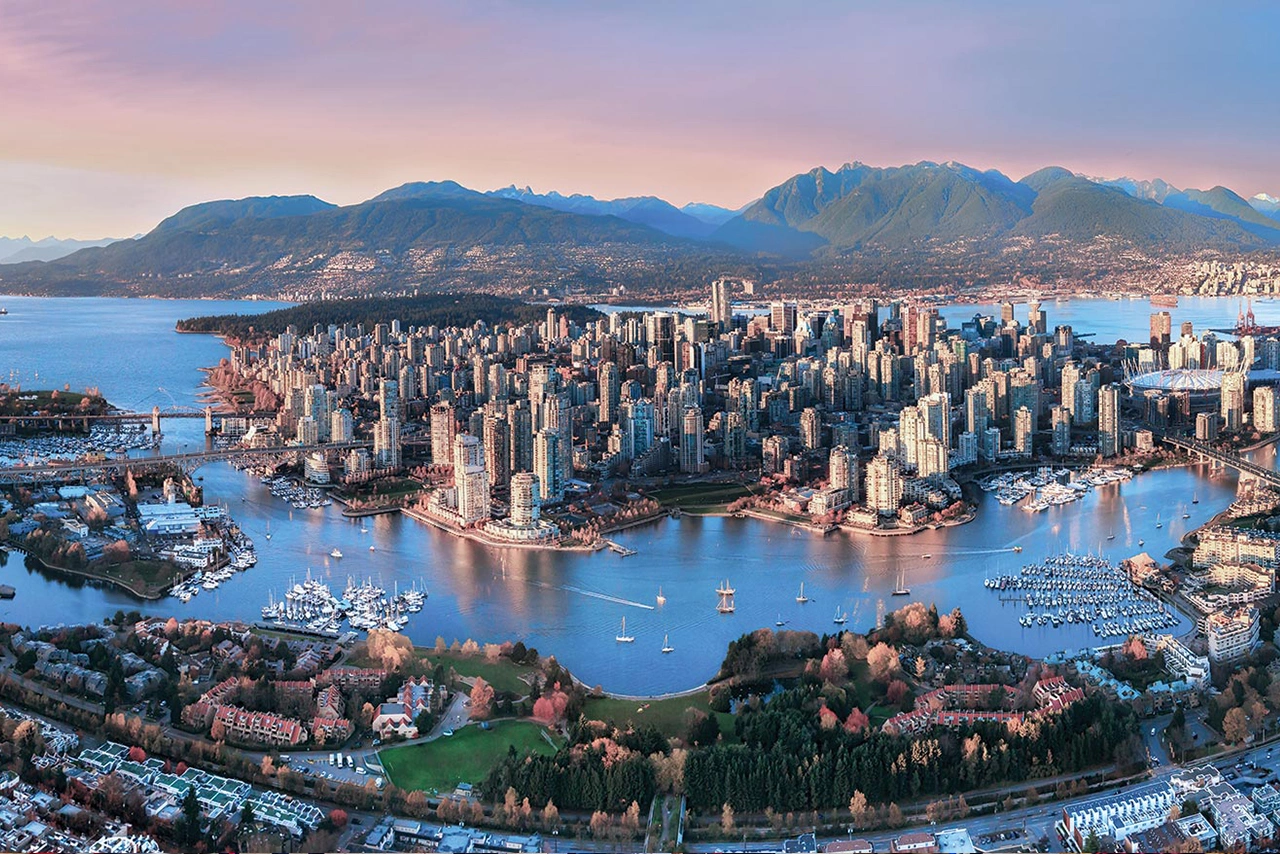 |
Vancouver, the largest port city in Western Canada, is the only North American city in the top 10.
Possessing a natural deep-water harbor and a stunning location facing the sea and majestic mountain ranges, Vancouver has long been considered one of the world's most scenically impressive cities.
Initially, Vancouver was a small settlement specializing in logging and timber processing, named Granville in the 1870s. The city was renamed Vancouver to honor George Vancouver, the Royal Navy officer who surveyed this coastline in 1792. In his 1792 journal, Captain George Vancouver described the area as having a mild climate, beautiful scenery, and fertile land awaiting human development.
For decades, Vancouver has been an attractive destination for immigrants from across Canada and many countries worldwide.
Photo: Sites
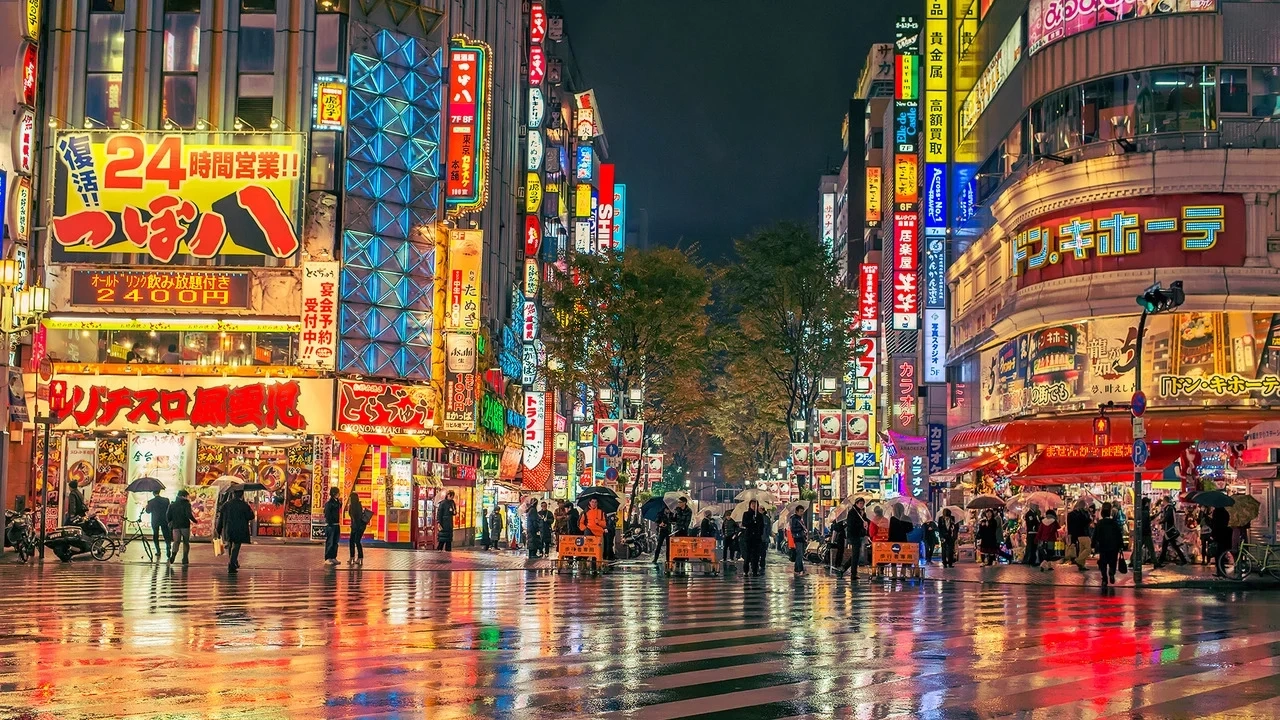 |
Tokyo, Japan's capital and the administrative center of Tokyo Metropolis, ranked 10th in the survey.
For centuries, this location was merely a small fishing village named Edo.
Edo truly developed into a major urban center during the Tokugawa period (1603-1867), when it became the center of power for the Tokugawa Shogunate. However, throughout that time, the Japanese Imperial Family maintained its capital in Kyoto.
After the Meiji Restoration in 1868, the shogunate ended, and the capital was moved from Kyoto to Edo. The city was renamed Tokyo, meaning "Eastern Capital."
Beyond the top 10 ranking, this year saw the steepest declines for two cities: Muscat, Oman's capital, which fell 14 places to 123rd, and Kuwait City, which dropped 12 places to 105th.
Western Europe remains the world's most livable region with an average score of 91,7, a slight decrease from the previous year. Meanwhile, Asia recorded an increase of 0,3 points, reaching 73,9, primarily due to improved healthcare systems. Photo: Wallpaper safari
Anh Minh (According to CNN)