"Tourists often underestimate the speed at which professional thieves can identify and target jewelry and valuables, especially in crowded tourist areas during peak season," said Blake Asaad, founder and creative director of Goodstone jewelry company.
Asaad believes that hiding spots travelers consider clever are often very predictable, making valuables much easier to find.
To help travelers protect their belongings, Asaad and his team have identified the first places criminals typically check, while also offering more effective alternative solutions to safeguard rings, watches, passports, and other important items.
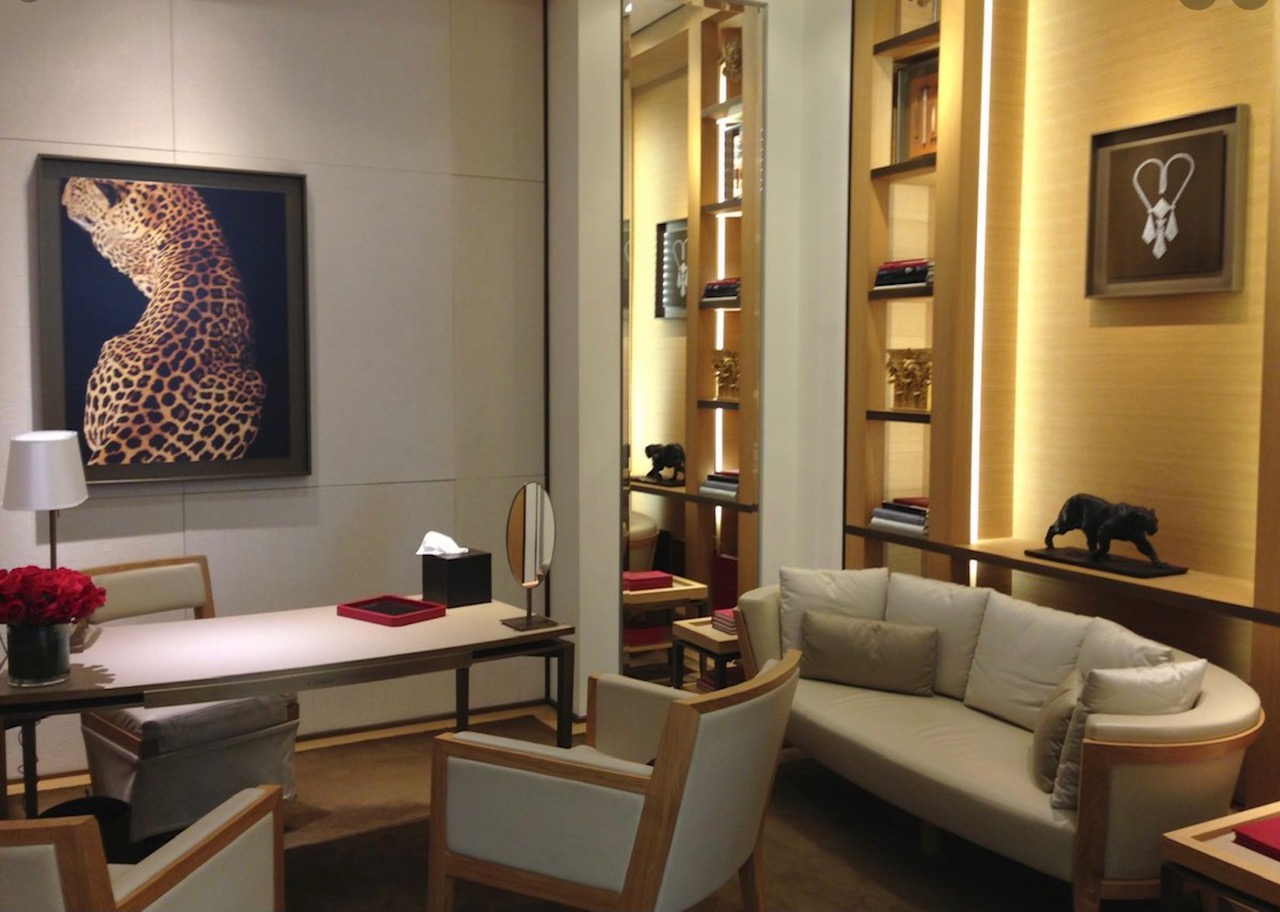 |
Hotel rooms often have a standard layout, allowing thieves to search quickly due to their familiarity with the terrain. The image shows a typical hotel room. Photo: News centuri on jewelry
"Safe" spots to avoid
According to Asaad, professional thieves do not waste time "randomly rummaging" through hotel rooms or luggage. They know exactly where to look, including:
Bathroom drawers and nightstands: Travelers might think hiding items out of sight is safe, but these are among the first places checked.
Zippered compartments in suitcases: Do not feel secure just because there is a zipper. According to Goodstone, thieves can check these spots within seconds of entering a room.
Front pockets of backpacks: Similar to zippered pockets in suitcases, the front pocket of a backpack is an "easy target."
Toiletry bags: Many believe hiding items among face wash and shampoo is discreet, but this is a "common trick" known to thieves.
Jewelry boxes/rolls left on tables: Using a jewelry box is pointless if you leave it in plain sight.
"Anything that looks specifically designed to hold jewelry immediately signals its value," Asaad said. Thieves recognize these boxes instantly, especially when they bear brand logos or luxury markings.
Safer places to store valuables
Small, unmarked containers: Store jewelry in ordinary items like pill boxes or travel vitamin containers. This helps them "blend in" with everyday essentials. Because thieves act quickly, they have little time to inspect every small item.
Divide and store in multiple locations: Do not keep all jewelry in one spot. Disperse items across various places within your luggage and room.
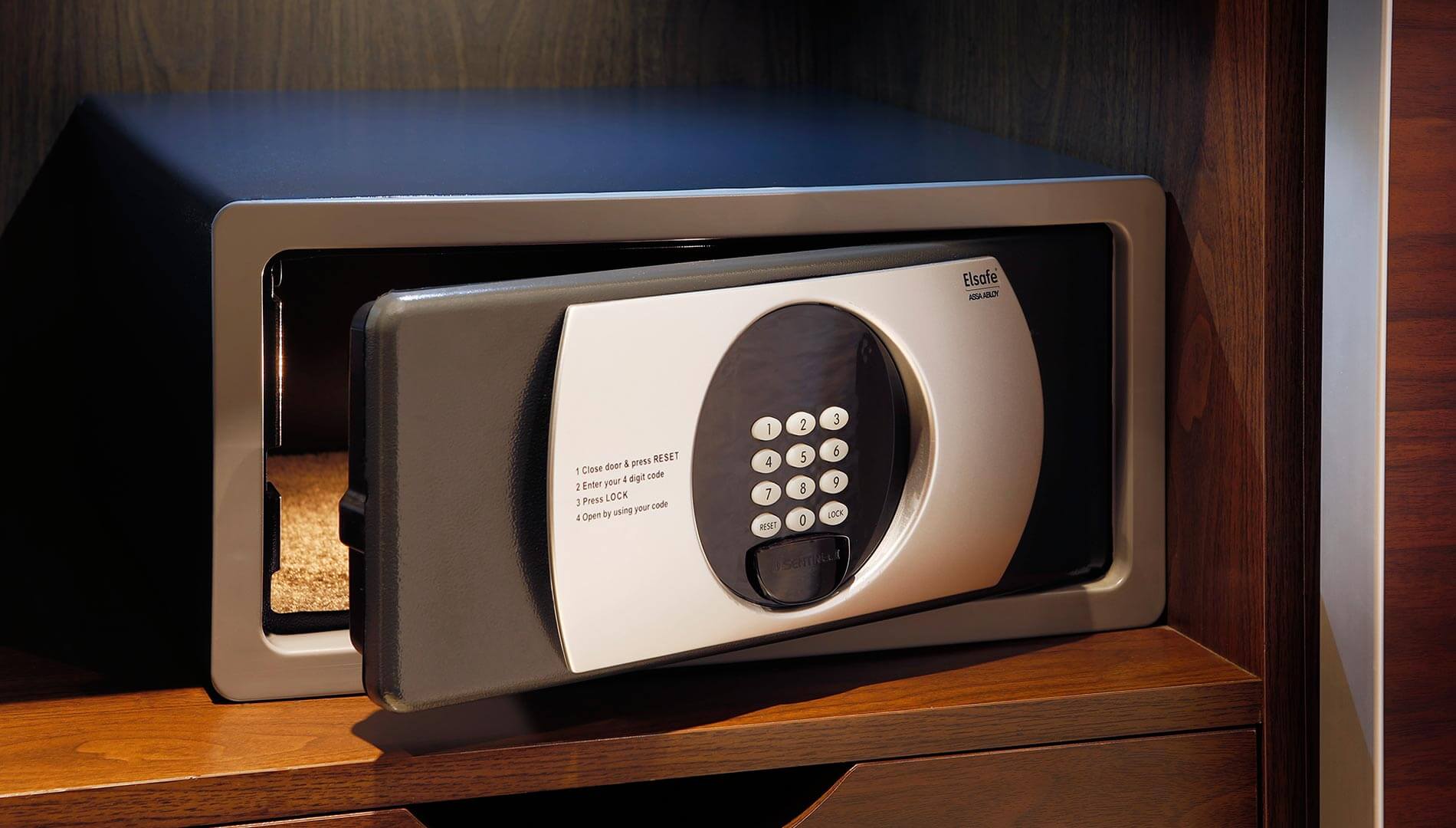 |
Hotel mini-safes are often where travelers store important, valuable items. Photo: Mastris
Dispersing items significantly reduces risk. Even if one spot is discovered, the rest remains safe, according to Asaad.
Hidden pockets in garment bags: Instead of using obvious compartments, utilize hidden pockets inside garment bags. These are often tucked between folded clothes and are less noticeable.
Portable travel safes: Do not rely on hotel safes. Invest in a mini-safe with a steel cable to secure it to a sturdy fixture in your room, offering better protection for your valuables.
However, experts advise travelers to only bring what is necessary, rather than taking all their jewelry and valuable items on trips.
The most effective way to protect belongings is to bring fewer items. When packing, travelers should ask themselves: "Is this item worth bringing?" If the answer is no, leave it at home. Many people bring jewelry just in case but never actually use it. Only bringing what will definitely be used reduces both risk and worry.
"When you are out sightseeing, wearing jewelry is often safer than leaving it in your hotel room. Thieves typically target unattended items," Asaad said.
By Anh Minh (Source: T&L)