The Bidasoa river forms a natural boundary separating Spain and France, specifically dividing the city of Irun in the Basque Country (Spain) from Hendaye in France. Situated between the two riverbanks, Pheasant Island, which stretches over 200 meters, is mostly off-limits to visitors throughout the year.
Pheasant Island has no permanent residents or notable structures. Its uniqueness stems from being the world's smallest territory under co-sovereignty. Since the mid-19th century, control of the island has been divided: Spain manages it from February to July, and France takes over from August to January.
The island features only a few birch trees amidst wild grasses. The sole human trace is a stone monument, commemorating the shared sovereignty arrangement. One side of the monument, facing Spain, bears an inscription in Spanish, while the other side, facing France, is inscribed in French.
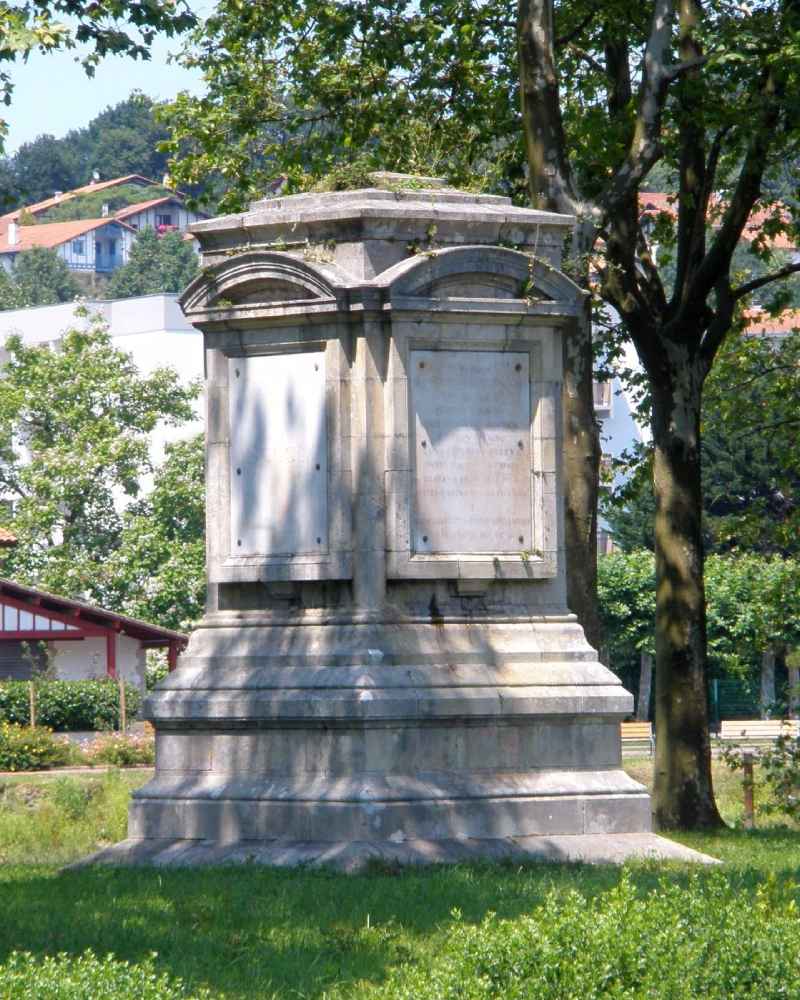 |
The stone monument on the island. *Fascinating Spain* |
In the mid-17th century, the 30-year war in Europe concluded. This conflict pitted the Habsburg dynasty against France, with other nations like Denmark and Sweden also participating. Spain, aligned with the Habsburgs, found itself in opposition to France. Despite the signing of the Treaty of Westphalia in 1648, which ended the broader war, hostilities between the Spanish and French monarchies persisted.
By 1659, both nations had suffered significant human and financial losses. To end the ongoing conflict, they began negotiations. Due to security concerns, neither side would agree to enter the other's territory. Consequently, Pheasant Island, a strip of land situated between the two countries, was chosen as a neutral meeting point.
It was here that the Treaty of Pyrenees was signed, bringing an end to the war. Under this document, the regions of Roussillon, parts of Flanders, and the Pyrenees were ceded to France. The Treaty of Pyrenees was subsequently ratified by the marriage of King Louis 14 of France to Princess Maria Theresa.
Pheasant Island was specifically chosen as the reception site for the princess's arrival in France. Earlier, in 1615, the marriage contract between King Louis 13 of France and Princess Anne of Austria was also arranged on the island. Similarly, the wedding of Isabella of Bourbon and King Philip 4 took place on this island. Consequently, Pheasant Island is also known as "Princess Island."
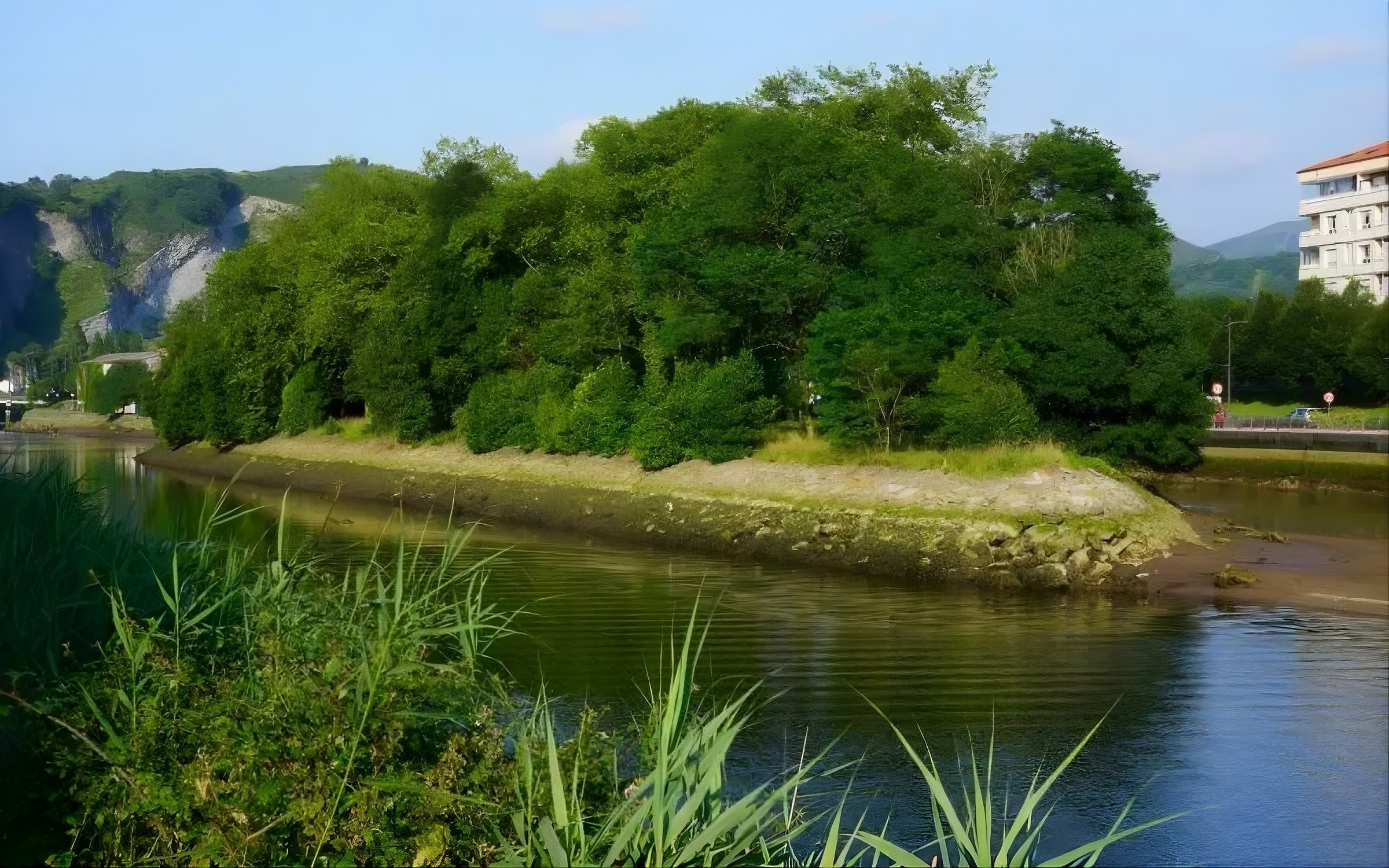 |
Pheasant Island seen from afar. *Fascinating Spain* |
By the 19th century, the Treaty of Bayonne was signed to resolve ongoing disputes between Spanish and French fishermen concerning the island. This treaty formally divided sovereignty over Pheasant Island, and its provisions remain in effect today. According to the treaty, the San Sebastian Naval Command (Spain) is responsible for management during the first half of the year. On 1/8, this authority is transferred to the Bayonne Naval Command (France).
In practice, the city authorities of Irun and Hendaye directly manage the island. The work primarily involves preventing unauthorized entry, illegal camping, and clearing weeds. As visitors are not permitted to set foot on the island, they can only observe it from the riverbanks.
In 1843, writer Victor Hugo visited Pheasant Island and expressed his disappointment with its name. He noted that there were no pheasants whatsoever on the island. "At most, there was only one cow and three ducks," the writer recorded.