Following the US operation to apprehend President Nicolas Maduro, US President Donald Trump issued a series of statements regarding America's future role in Venezuela, specifically targeting its oil industry.
"We will rebuild the oil infrastructure, which will cost billions of US dollars, and oil and gas companies will have to pay directly," Trump said. "We will make the oil flow as it should."
Observers suggest that no company is better suited than Chevron to restore Venezuela's oil production, especially in the initial two years. This Texas-based oil major is the sole US company operating in Venezuela after decades of political instability.
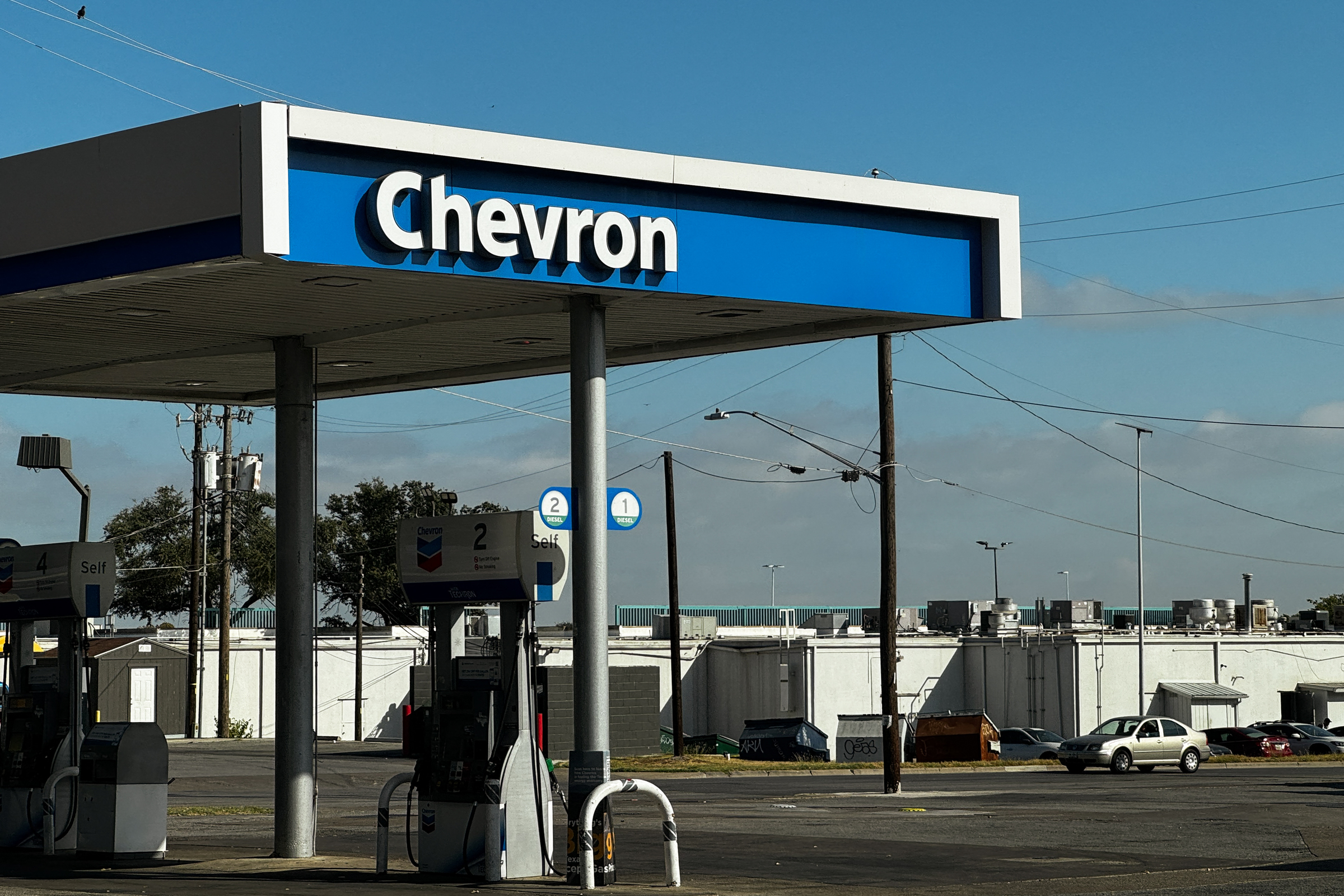 |
Logo of Chevron at a gas station in Austin, Texas, US on 20/10/2025. Photo: AFP
Venezuela is a founding member of the Organization of the Petroleum Exporting Countries (OPEC). The country boasts the world's largest oil reserves, estimated at 303 billion barrels, primarily located in the Orinoco Belt, a 55,000 square kilometer area in the eastern part of its territory.
The US, along with many European nations, has been involved in Venezuela's oil industry since the early 20th century. Gulf Oil, headquartered in Pennsylvania, established Venezuelan Gulf Oil in April 1923 and drilled its first oil well in August 1924.
In 1976, Venezuela nationalized its oil industry, forming the state-owned company PDVSA. Gulf Oil transferred Venezuelan Gulf Oil's assets, rights, and equipment to PDVSA. PDVSA subsequently became a leading global oil company. In 1984, Gulf Oil merged with Standard Oil of California, forming Chevron.
During the 1990s, Venezuela implemented an open-door policy for its oil sector, allowing foreign companies to partner with PDVSA to boost exploration and production. US corporations such as Chevron, ExxonMobil, and ConocoPhillips all sought opportunities abroad.
These operations continued normally during the initial period of Hugo Chavez's presidency, which began in early 1999. From 2006 to 2007, Chavez mandated that all foreign companies in the Orinoco Belt convert their projects into joint ventures where Caracas held a controlling stake, with PDVSA owning at least 60% of shares.
ExxonMobil and ConocoPhillips rejected these terms and had their assets seized. Both corporations withdrew from Venezuela, then filed lawsuits with international arbitration courts and won. The court ordered Venezuela to compensate ConocoPhillips over 10 billion US dollars and ExxonMobil over 1 billion US dollars, but Caracas only paid a portion.
"Chevron chose to remain in Venezuela, even though they were not very happy about it," Gerald Kepe, president of Competitive Energy Strategies, a Washington-based energy consulting firm, told NPR. Chevron continued operations throughout Chavez's term and into that of his successor, Nicolas Maduro.
Following the expropriations, Caracas-Washington relations intensified, providing a pretext for the US government to accuse Venezuela of "stealing" assets. In 2019, the US under President Donald Trump expanded sanctions to include individuals and businesses in the oil, gold, and mining sectors in the country.
Chevron received a special license from the Office of Foreign Assets Control (OFAC) of the US Department of the Treasury, permitting the corporation to extract and export Venezuelan oil under strict conditions.
Chevron is only allowed to operate in existing projects with PDVSA, and cash flow and profits cannot directly benefit Venezuela. Instead, they must cover operational costs. The license is temporary and requires periodic renewal; Washington can revoke it if the political situation deteriorates.
In November 2022, President Joe Biden's administration allowed Chevron to expand production in Venezuela. This move aimed to ease pressure on the oil market after Western sanctions were imposed on Russia following the conflict in Ukraine.
Venezuela's total oil production is currently between 800,000 and 900,000 barrels per day, a significant decrease from its peak of over 3 million barrels per day. Chevron extracts 25% of this production, with all oil extracted by the corporation exported to the US.
US officials argue that Chevron's continued presence in Venezuela actually strengthens sanction enforcement, rather than undermining it. They state that Chevron "provides transparency" by ensuring oil sales occur through official channels, thereby preventing Venezuela from diverting all production to the black market. Additionally, Chevron's operations are linked to the recovery of hundreds of millions of US dollars in unpaid debt from PDVSA in their joint venture.
The license for Chevron can be adjusted based on Caracas's actions, particularly concerning elections and negotiations with the opposition. In this sense, Chevron acts as a "pressure valve."
Venezuela remains a focal point in US foreign policy as President Trump returns to the White House in January 2025. He escalated pressure on the Maduro administration through economic and military measures. In March of the same year, Trump revoked the license granted to Chevron under Biden.
In late July, he reversed his decision regarding Chevron's license. This move occurred around the time Maduro released ten US citizens in exchange for over 250 Venezuelans who had been taken to El Salvador. In October 2025, Trump granted Chevron a new operating license.
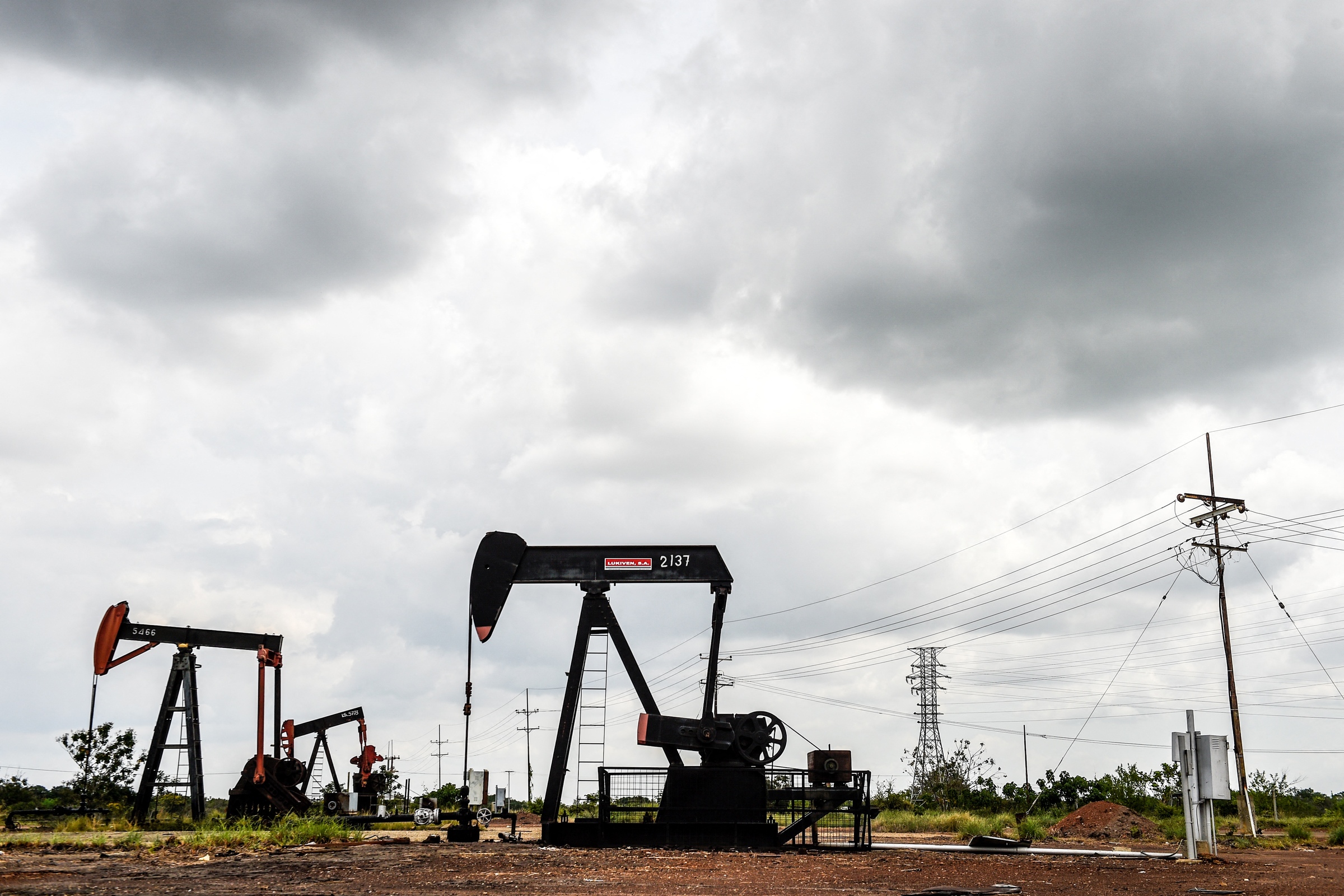 |
Oil pumps in Maracaibo, Venezuela in May 2018. Photo: AFP
As the only US company still operating in Venezuela, Chevron will benefit from any new exploitation projects, Francisco Monaldi, director of the Latin American energy program at the Baker Institute, Rice University, Texas, told Reuters. "If they are willing to invest more money, that will be a very good signal for others."
A Chevron spokesperson stated that the company's operations in Venezuela fully comply with current legal regulations.
"The next company eager to return to Venezuela is ConocoPhillips, because they are owed over 10 billion US dollars and will not be able to recover it otherwise," Monaldi observed. Exxon could take similar action.
ConocoPhillips stated that it is monitoring developments in Venezuela and that it is too early to discuss the company's investment and business activities. ExxonMobil has not commented on the information.
As Tam (According to France 24, WSJ, euronews)