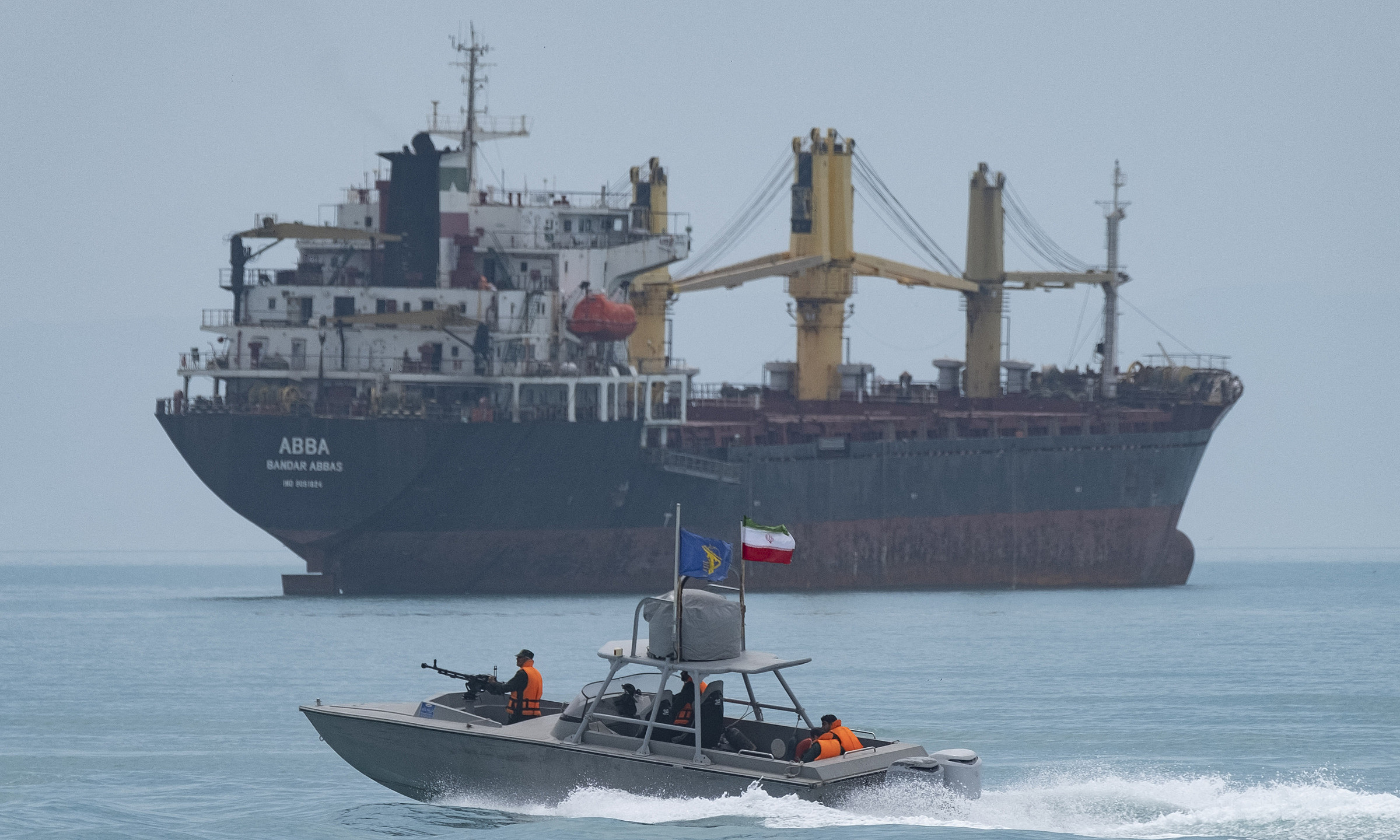
Central Command (CENTCOM), the U.S. military command responsible for operations in the Middle East, announced its forces began new strikes against Iran on the night of July 12 (early morning of July 13 Hanoi time) to further degrade the adversary's capabilities and prevent it from "attacking civilian mariners and commercial vessels transiting freely through the Strait of Hormuz".
"The commander-in-chief directed these strikes to hold Iranian forces accountable", CENTCOM stated, referring to U.S. President Donald Trump.
Colonel Tim Hawkins, a CENTCOM spokesperson, said Iran had fired upon a cargo ship in the Strait of Hormuz within the preceding hour. According to Hawkins, U.S. aircraft have since shot down one cruise missile and one suicide unmanned aerial vehicle (UAV) deployed by Iran.
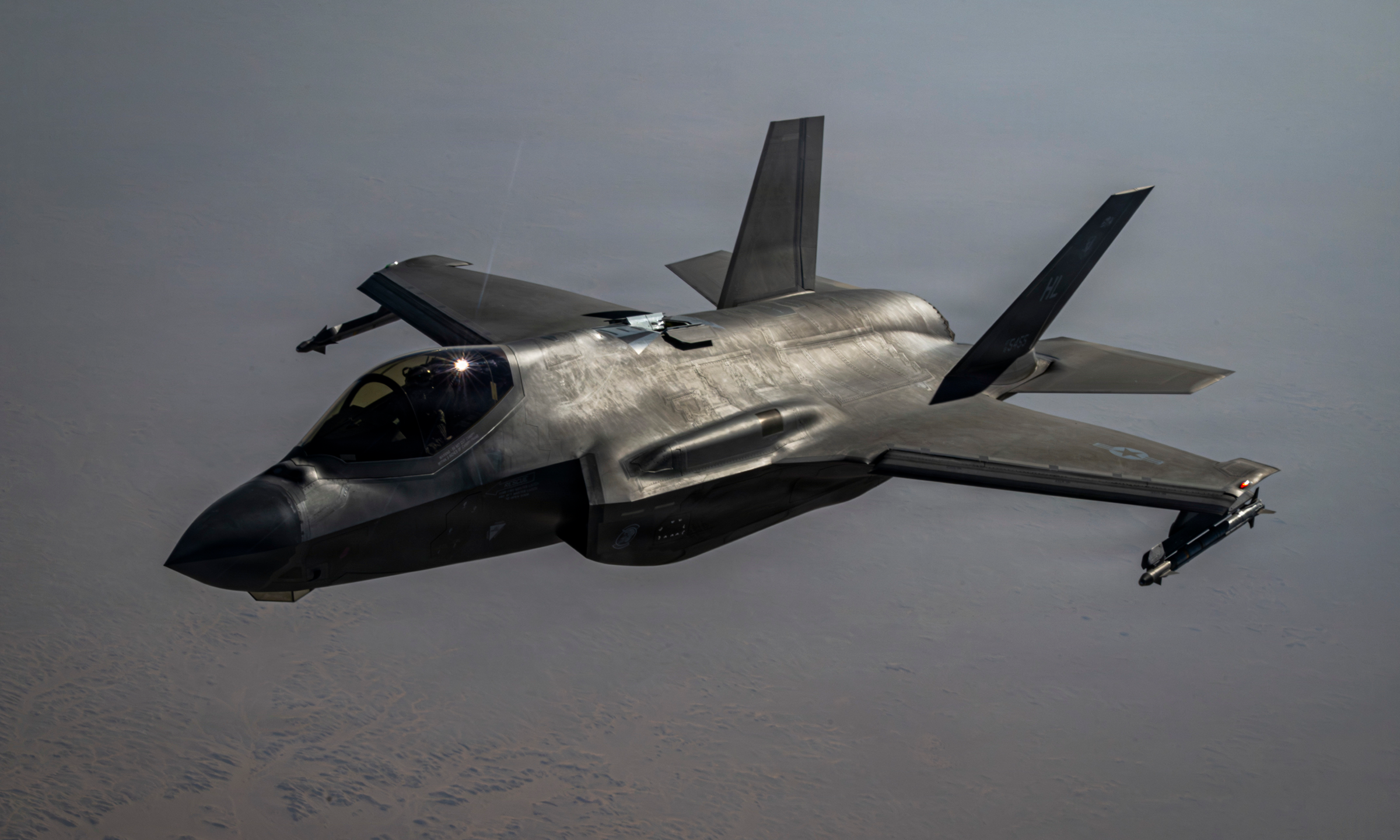 |
U.S. F-35 fighter jet operating in the Middle East on 22/6. *Photo: USAF* |
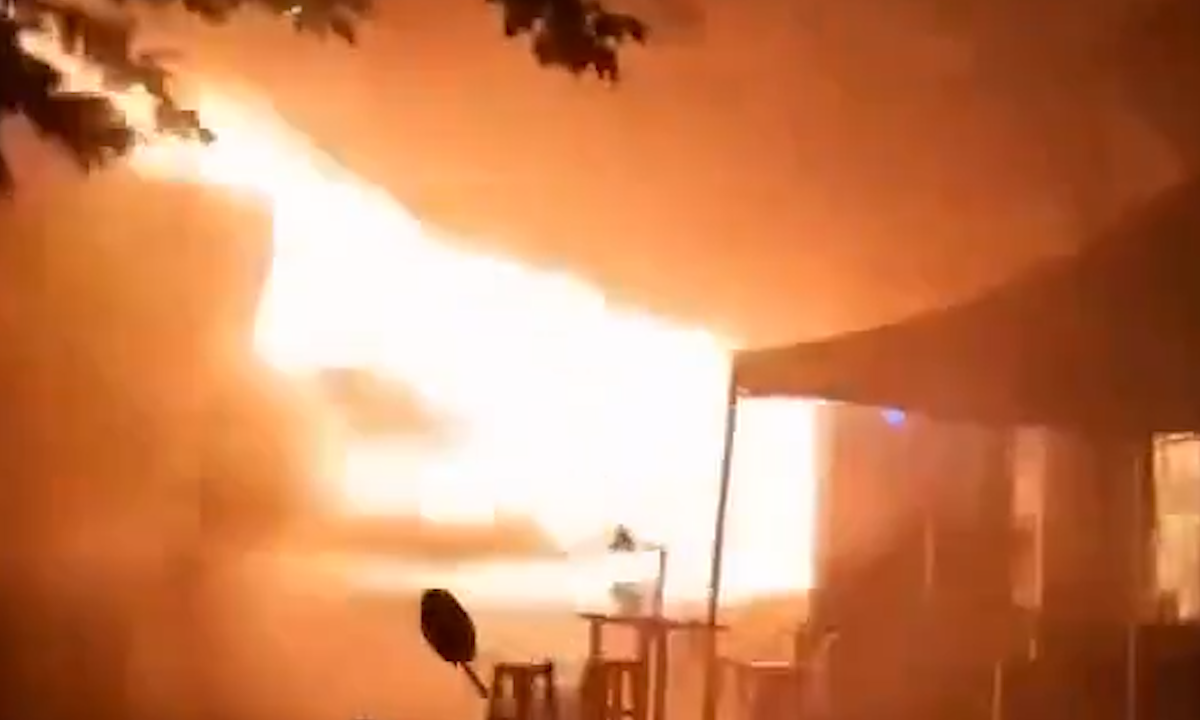
Iranian media reported multiple explosions occurred on the night of July 12 in several locations in the country's south, including Jask, Qeshm, Bandar Abbas, and Sirik. Iranian officials stated there were no civilian casualties or infrastructure damage.
According to Iran's state television IRIB, a telecommunications tower in Sirik was targeted; this location was also hit in a previous strike.
Iran's Foreign Ministry condemned the U.S. military strikes over the past 24 hours, accusing Washington of violating international law.
The ministry asserted that the U.S. military used the territory and infrastructure of countries along the southern Persian Gulf coast to launch attacks on Iran, warning that the launch points of these attacks would be considered legitimate targets for Tehran's "defensive strikes".
Iran's Foreign Ministry called on the United Nations and the Security Council to hold "aggressors" and their supporting nations accountable. The statement was issued before CENTCOM announced the start of the new wave of attacks against Iran.
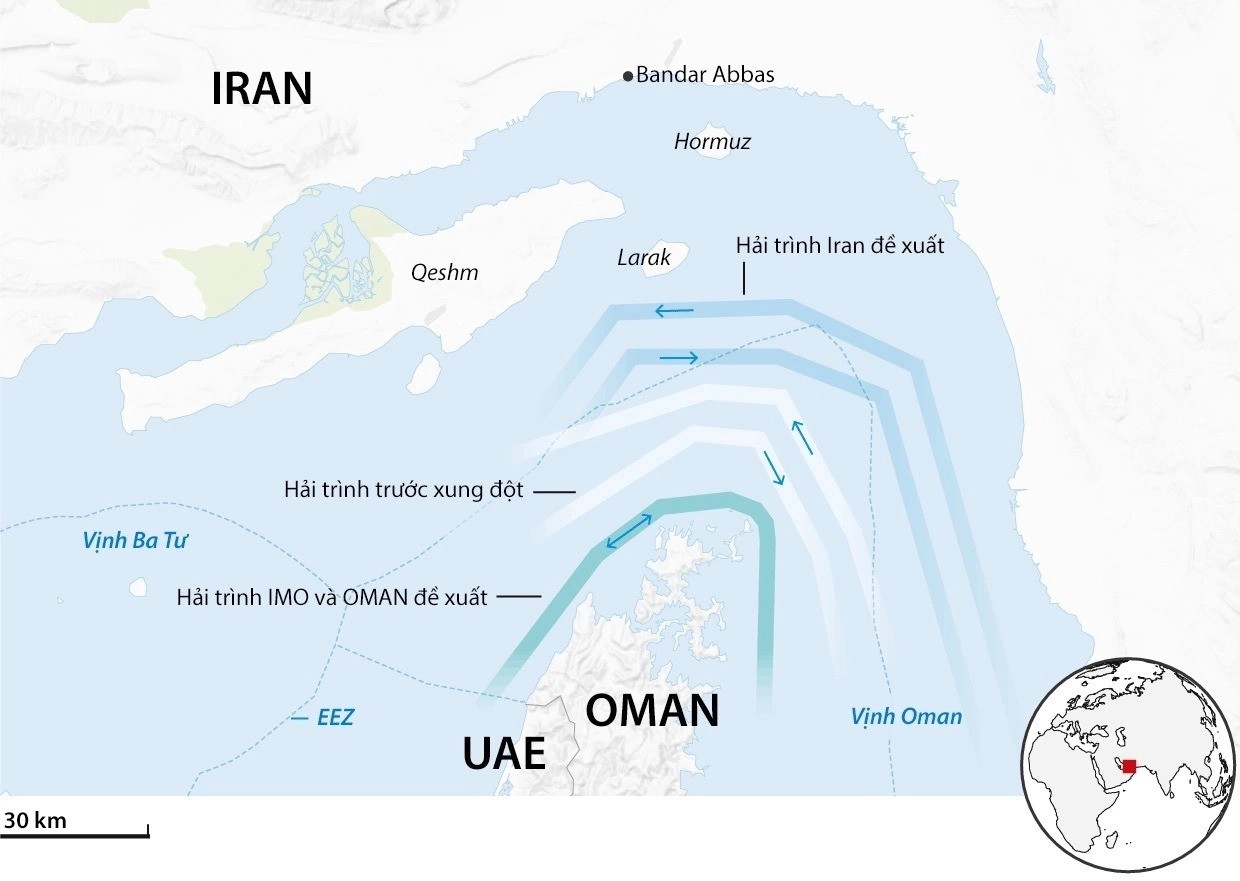 |
Shipping routes through the Strait of Hormuz. *Graphic: Guardian* |
The regional situation had been quiet for about three weeks after the U.S. and Iran signed a memorandum in mid-June. However, tensions escalated when the U.S., in coordination with Oman and the International Maritime Organization (IMO), established a new route south of the Strait of Hormuz, entirely within Omani territorial waters, encouraging commercial vessels to use this option instead of the northern route through Iranian territorial waters.
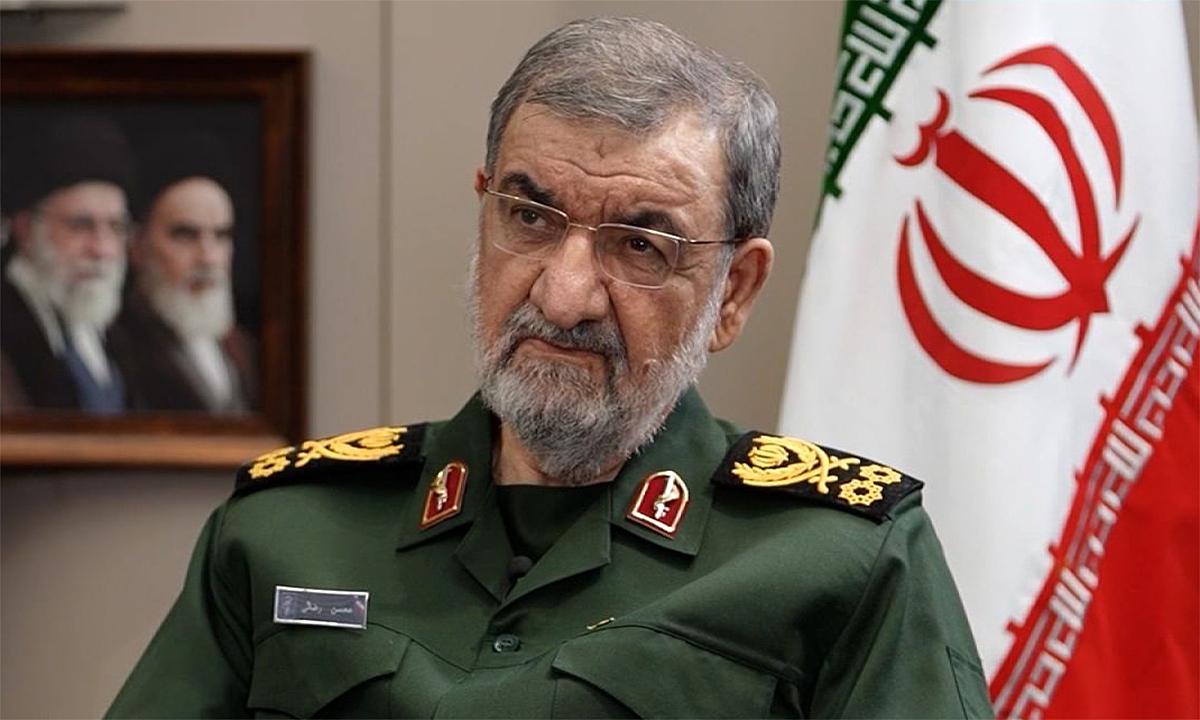
The Islamic Revolutionary Guard Corps (IRGC) accused the U.S. of "imposing its will" on the Omani government by attempting to route many vessels through the Strait of Hormuz via an "illegal maritime route" in the southern part of the area. Commercial vessels transiting the strait were then attacked, leading to tit-for-tat strikes between Iran and the U.S.
Pham Giang (According to CNN, AFP, Reuters)