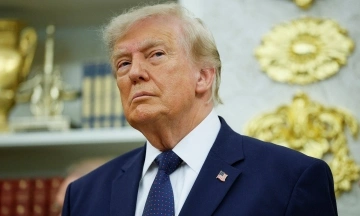
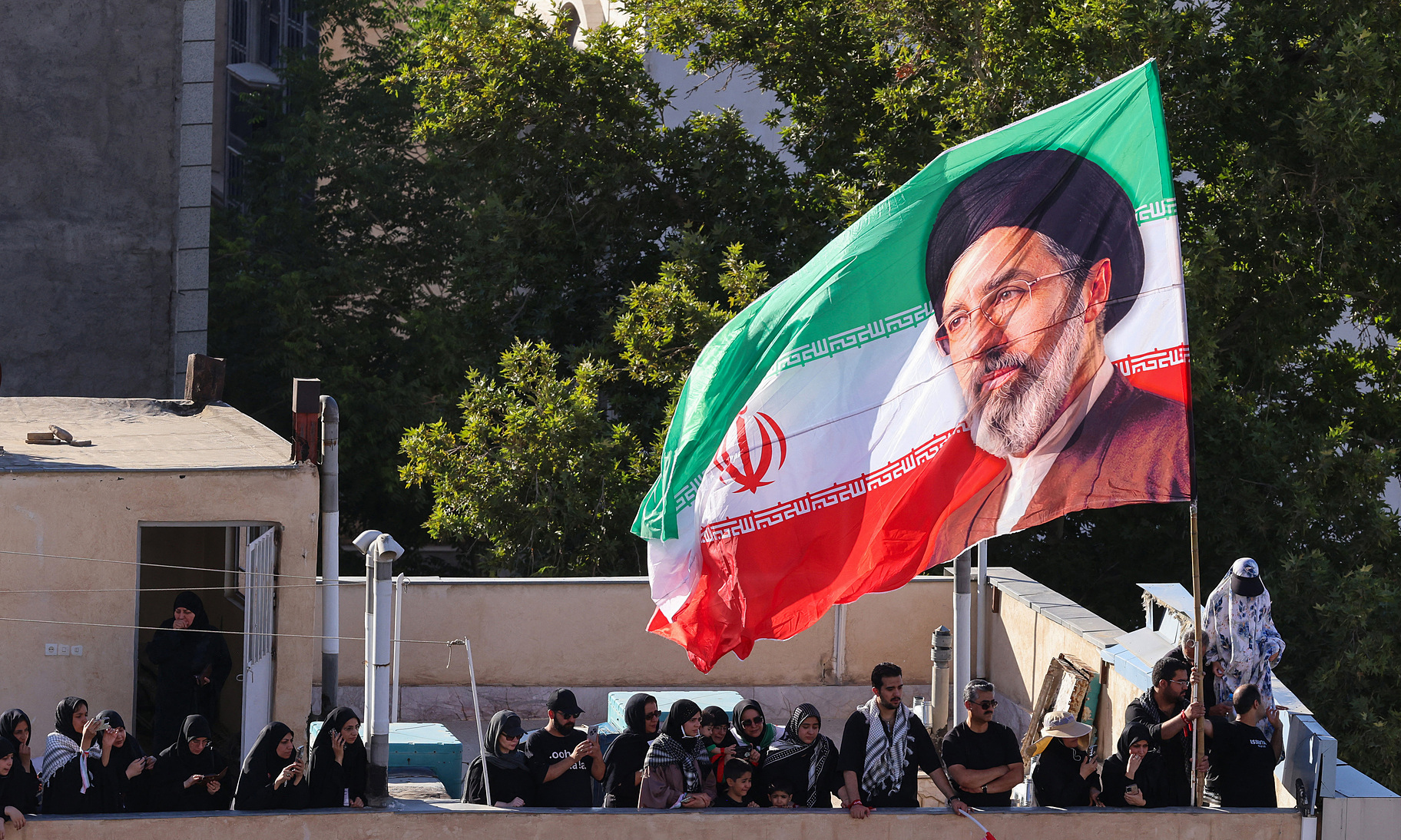
President Volodymyr Zelensky announced today that he has dismissed Prime Minister Yulia Svyrydenko. "I am very grateful to Yulia Svyrydenko for her clear, stable, and effective work as Ukraine's prime minister, as well as her years of effective service. I have given her the opportunity to lead a new area in relations with a key partner", Zelensky stated.
Svyrydenko became Ukraine's prime minister in 7/2025, succeeding Denys Shmyhal. Zelensky did not explain the reason for the decision, nor has he announced who will assume the prime minister's role. He expressed hope that "we, along with the parliament members, will implement corresponding changes within the Ukrainian government. There will also be changes among the heads of executive bodies".
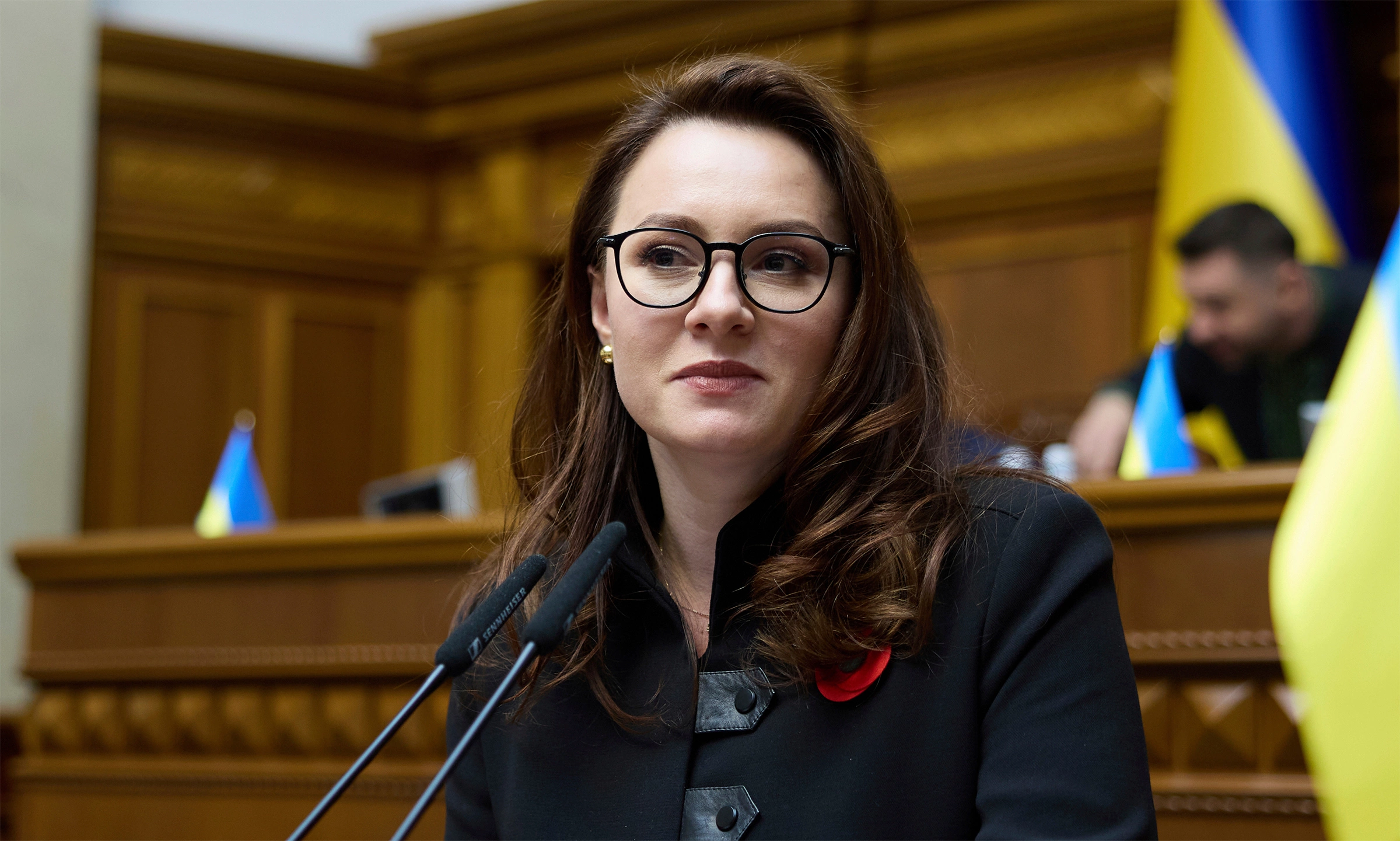 |
Yulia Svyrydenko speaks before Ukraine's parliament in 5/2025. *Photo: AP* |
Zelensky outlined several national goals, including progress towards European Union (EU) accession and strengthening border security. He also mentioned plans to assign officials to various foreign affairs sectors. "We have determined that these changes require a cabinet reshuffle", he declared, without providing further details.
The cabinet reshuffle requires approval from Ukraine's parliament, where most members support President Zelensky and typically do not obstruct his agenda.
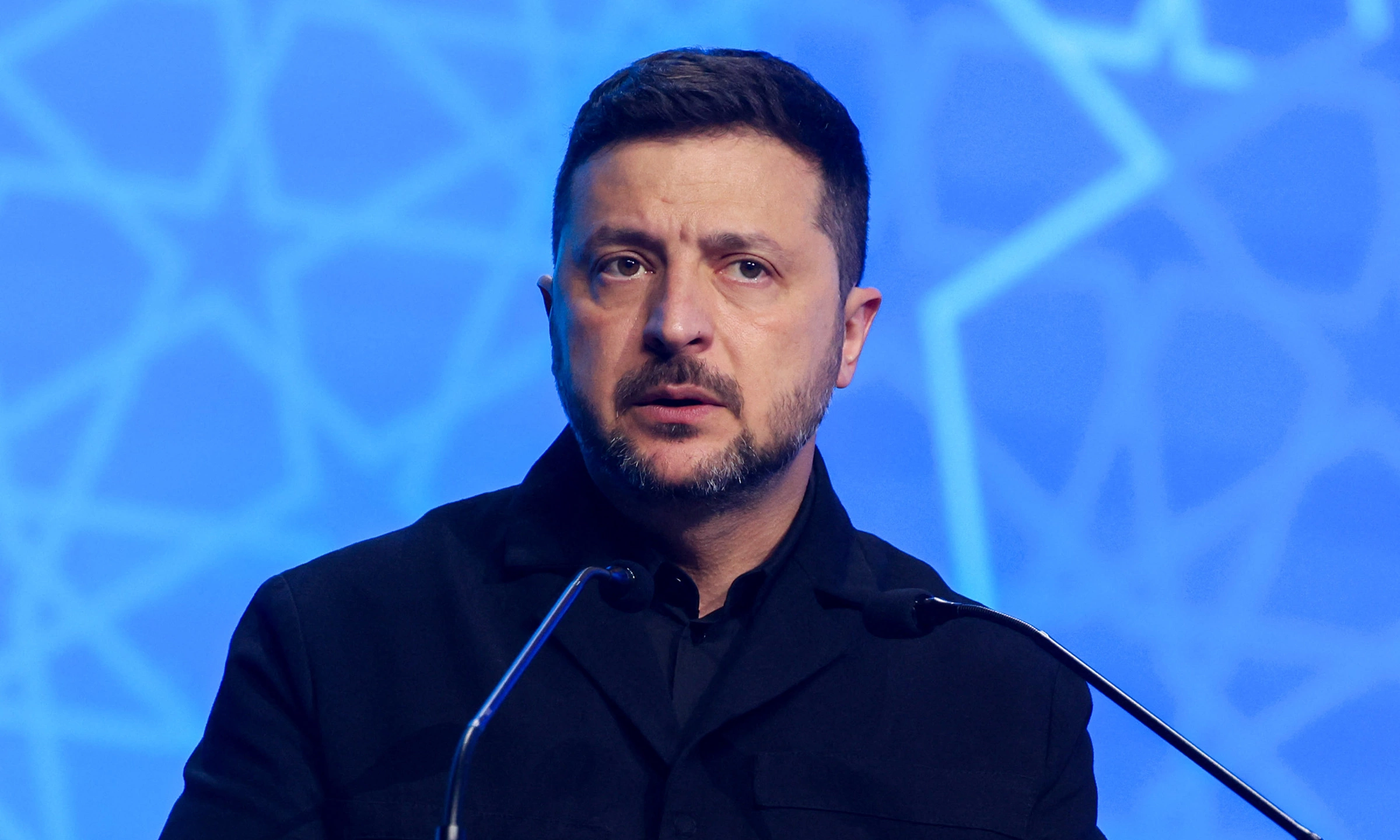 |
President Volodymyr Zelensky speaks in Ankara, Turkey on 7/7. *Photo: AFP* |
This decision follows the EU's resumption of accession talks with Ukraine in late June. Ukraine signed its application to join the EU in 2/2022. This effort previously faced challenges when the Hungarian government, under former prime minister Viktor Orban, used its veto power.
However, the accession process could be delayed if Poland, an EU member state, objects. Tensions have escalated between the two countries due to Ukraine's use of symbols associated with the Ukrainian Insurgent Army (UPA), a nationalist rebel group from World War II. The conflict intensified after President Zelensky renamed a Ukrainian military unit "Heroes of the UPA". This decision drew strong condemnation from Poland, as the UPA is accused of participating in the Volhynia massacres, which resulted in the deaths of approximately 100,000 Poles between 1943 and 1945.