"They have gone too far by demanding the US withdraw all forces from the region, pay war reparations, end blockades, and lift sanctions," said Mark Esper, who served as defense secretary during President Donald Trump's first term, in an interview on 9/8. He was referring to Iran's recently announced conditions for reopening the Strait of Hormuz.
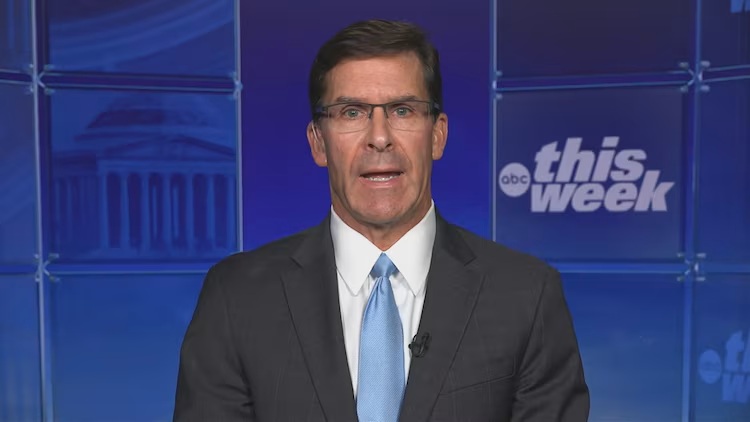 |
Former US defense secretary on ABC News on 9/8. Photo: ABC News
On 8/8, Mohammad Bagher Zolghadr, secretary of Iran's Supreme National Security Council, outlined six conditions the US must meet to reopen the Strait of Hormuz and restore shipping to pre-conflict levels.
Iran's demands include the US ceasing threats against the country, ending military operations with Tehran and its regional allies, lifting naval blockades, paying damages, removing sanctions, and unfreezing Iranian assets.
Esper stated Iran's new conditions indicate that leaders in Tehran believe they hold the upper hand in negotiations and possess leverage due to their control of the strategic Hormuz shipping lane.
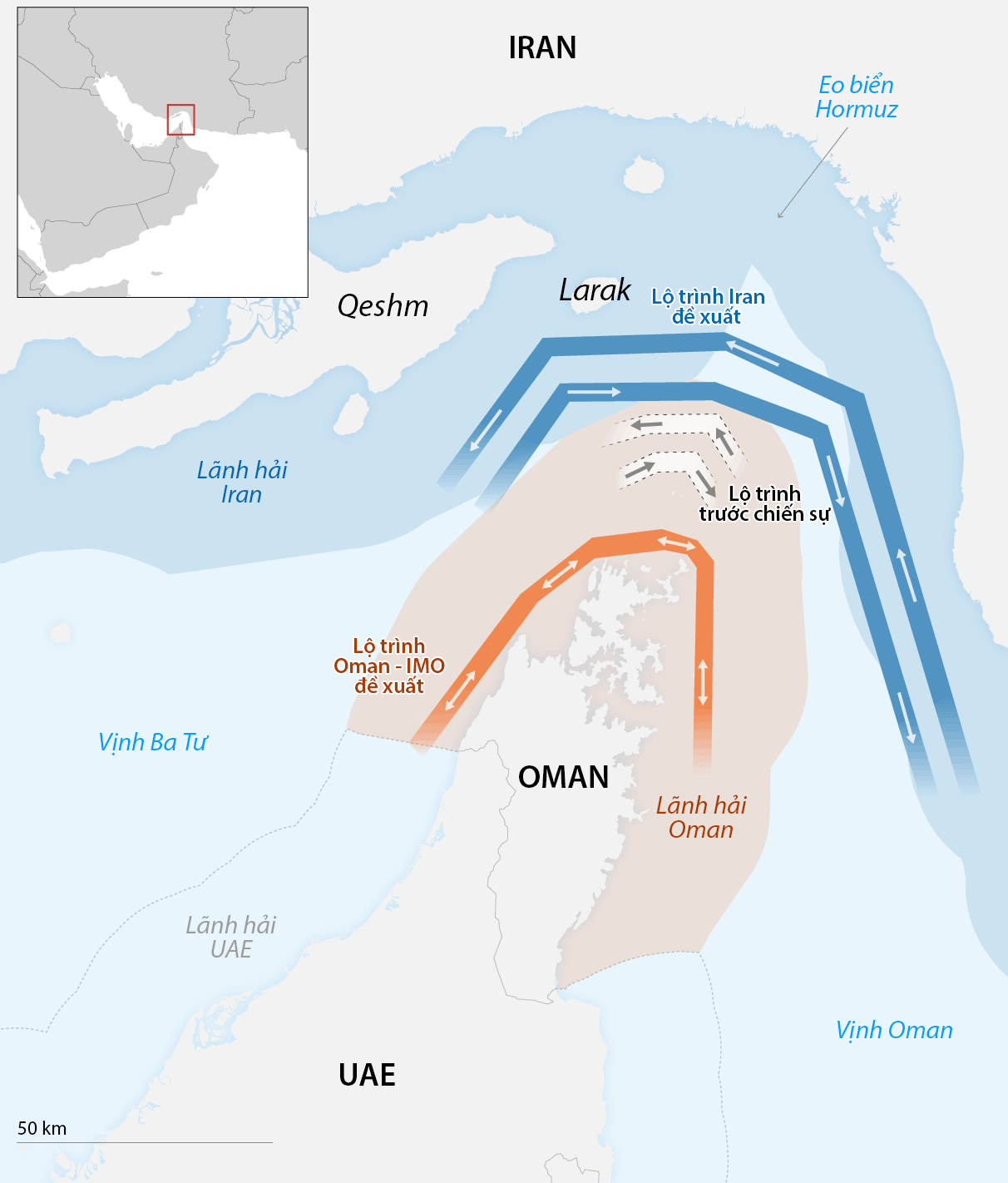 |
Current shipping routes used by vessels to transit the Strait of Hormuz. Graphic: CNN
"These demands show they are bolder and more confident in their position, while also projecting power through their proxy forces," the former US defense secretary stated. "Frankly, these terms are ridiculous and should be rejected immediately."
Richard Weitz, an international security expert at NATO Defense College, believes the US will almost certainly not accept demands for compensation or any other conditions Iran has set for reopening the Strait of Hormuz.
However, Zolghadr declared that Iran's Supreme Security Council would not withdraw these demands, whether in wartime or negotiations.
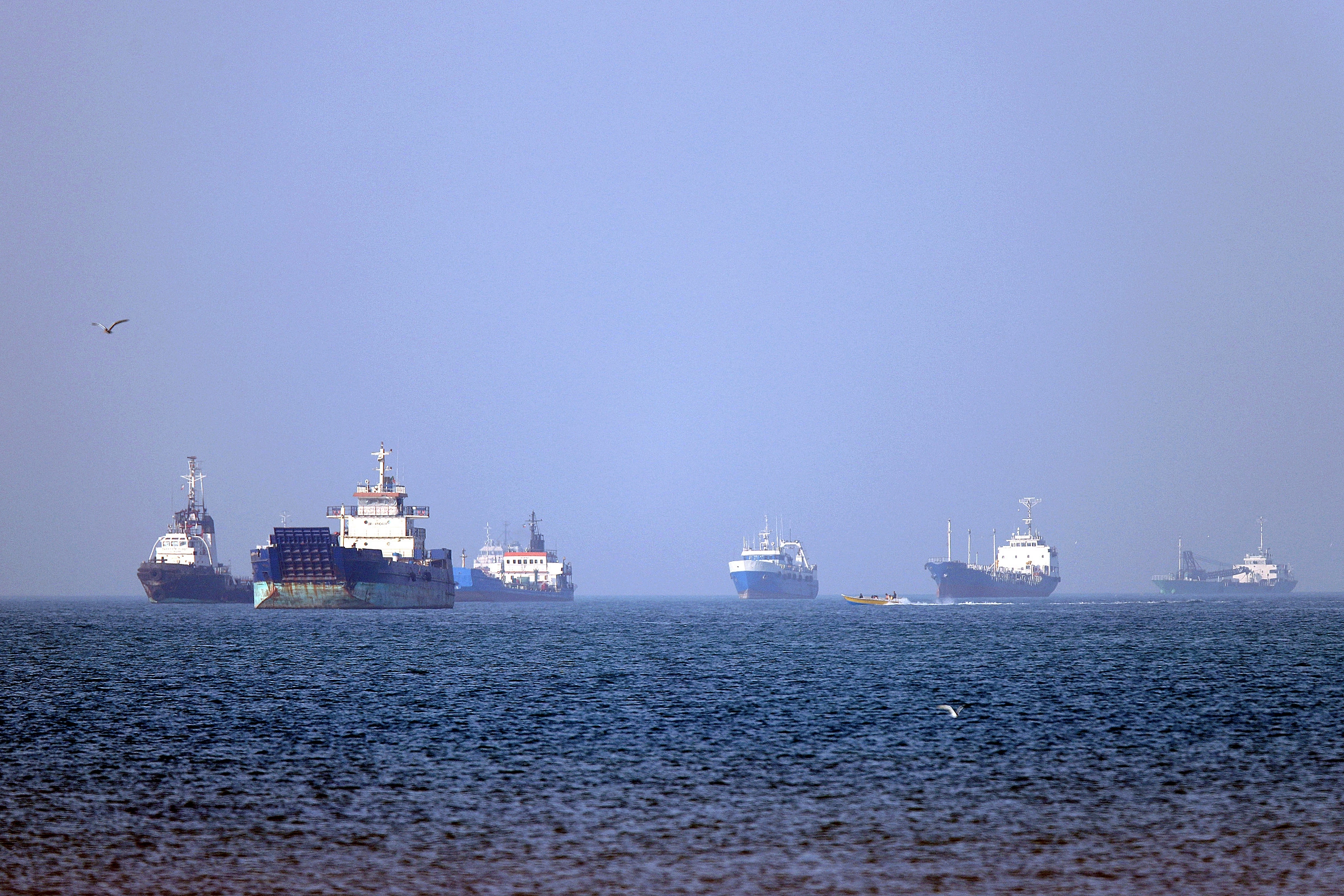 |
Vessels in the Strait of Hormuz on 4/5. Photo: AFP
During the 9/8 interview, Esper also addressed the severity of US ammunition shortages amid the ongoing conflict involving Iran, as well as the Trump administration's efforts to boost weapons production.
"The administration is making every effort in various ways. But when it takes up to two years to produce one Patriot missile, anything we do now will not help in the short term. Nevertheless, these actions must be taken for strategic reasons," he stated.
An unnamed US official stated last week that stockpiles of ballistic missile interceptor weapons are "extremely low". These dwindling reserves are one factor limiting the various military options Trump is considering in the conflict.
On 5/8, Trump declared the US "possesses enormous amounts of ammunition," with substantial quantities also under production and slated for delivery when needed. However, just one day later, he admitted that supplies of some weapons were "tighter" after months of conflict.
Huyen Le (According to ABC News, Hill)