The German Football Federation announced on 14/6 that team captain Joshua Kimmich and his teammates will charter buses to transport 600 fans from New York to New Jersey for their final group stage match against Ecuador. This decision comes in response to significantly increased travel costs in New York during the World Cup, as reported by BBC.
Local authorities in the US raised train and bus fares from New York to MetLife Stadium in New Jersey multiple times. Officials cited the need to offset security expenses and increased rail services without burdening taxpayers as reasons for the price hikes. This policy of increased travel fares has drawn criticism from many supporters, who had already paid high prices for match tickets.
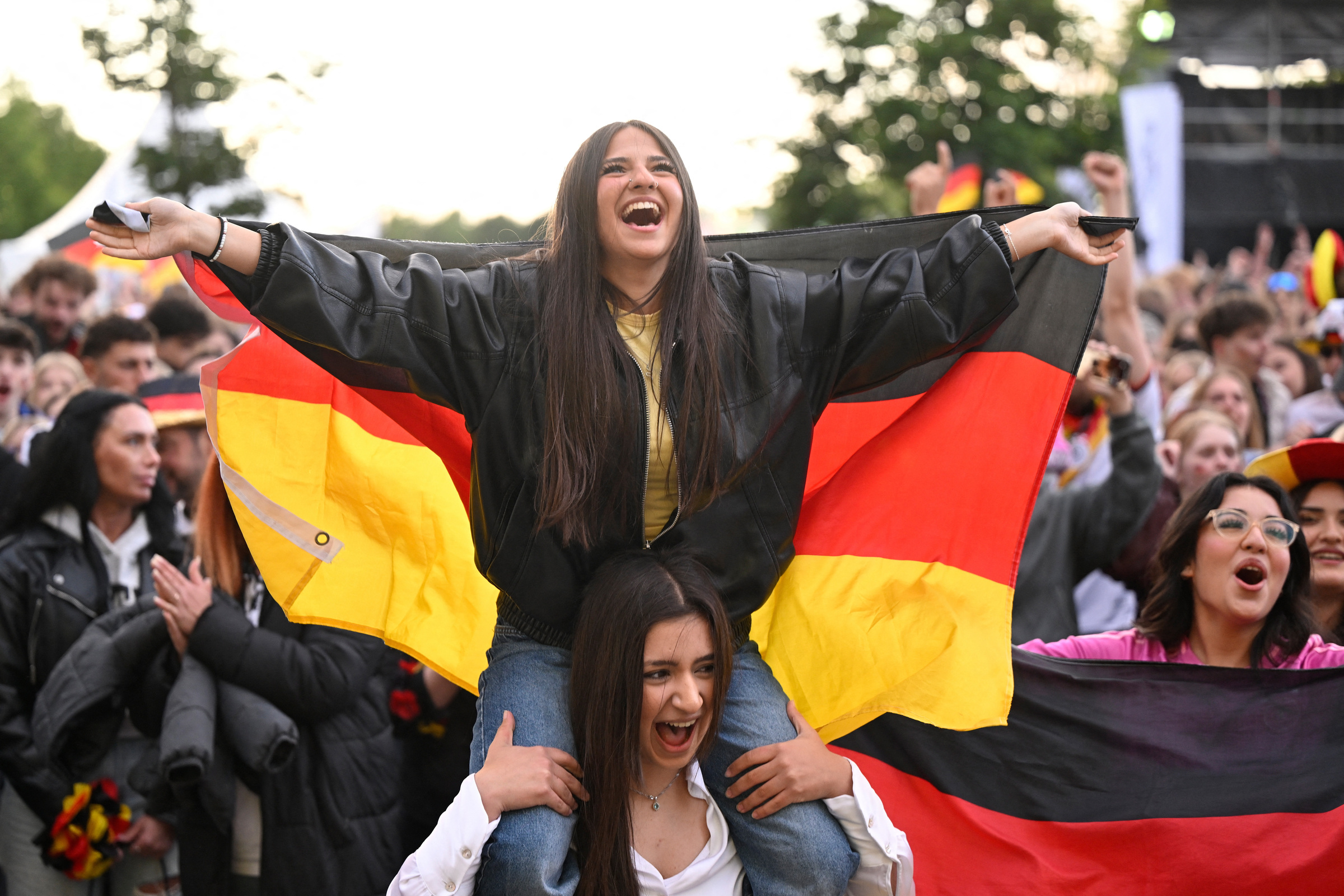 |
German fans watch their national team's match on a large screen in Herten, 15/6. Photo: AFP |
To travel approximately 29 km from Penn Station in New York City to MetLife Stadium for a World Cup match, fans would have to pay 98 USD for a round-trip train ticket. This cost is nearly eight times higher than the usual 12,9 USD. This adjusted price is already a reduction from an initial proposal of 150 USD, which faced severe criticism from the NJ Transit public transport agency. Shuttle bus tickets are priced at 20 USD, down from an initial proposal of 80 USD.
Germany, a four-time world champion, secured a 7-1 victory against newcomer Curacao in their opening match of the 2026 World Cup at NRG Stadium in Houston, Texas. Their next fixture is against Ivory Coast at 3h on 21/6 Hanoi time, at Toronto Stadium in Canada, before concluding the group stage with a match against Ecuador at 3h on 26/6 at MetLife Stadium.
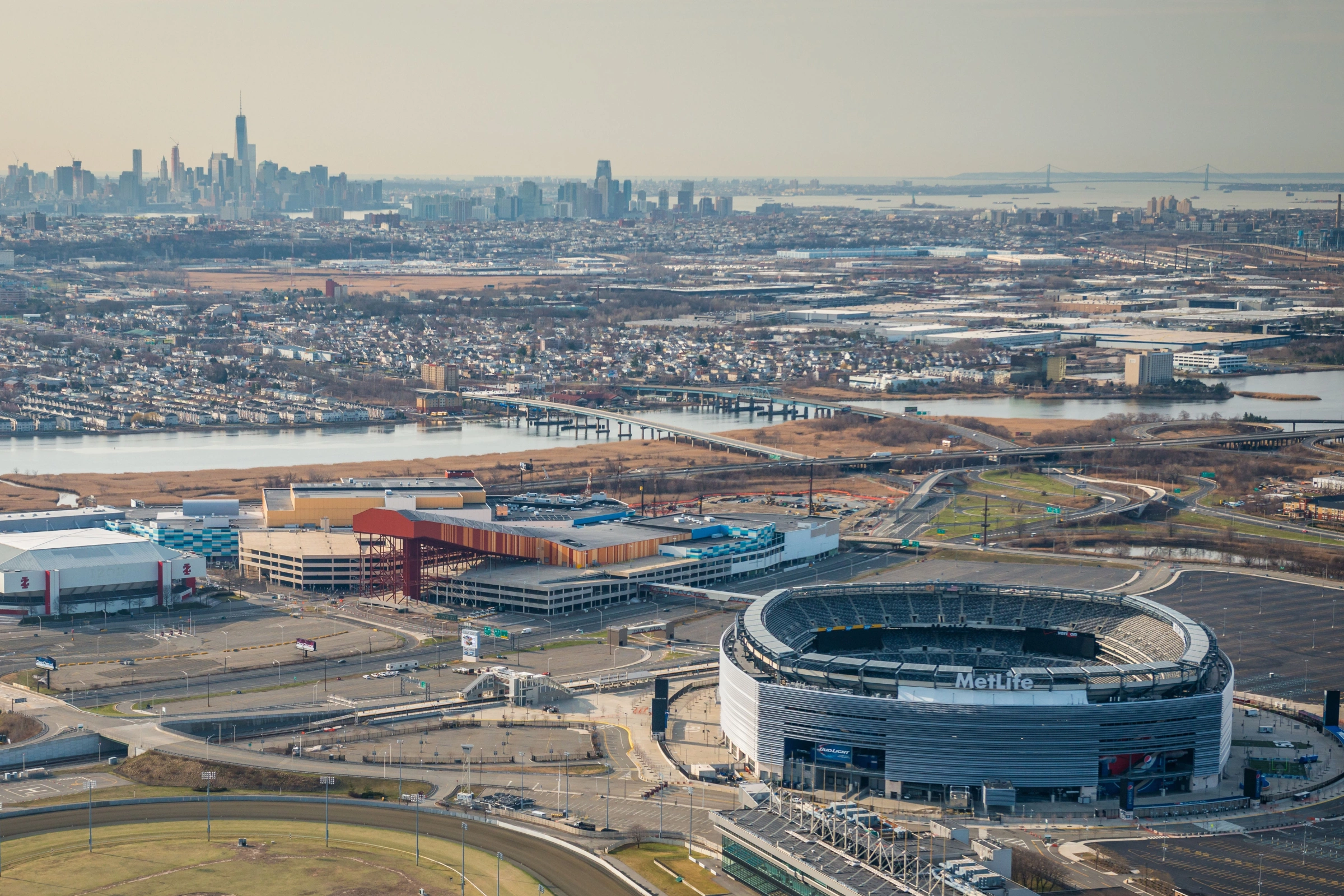 |
MetLife Stadium in New Jersey, outside New York. Photo: AP |
The 2006 World Cup in Germany, known as the "Summer Fairytale" (Sommermaerchen), was lauded for reflecting a modern Germany, open to global fans. A contributing factor to its success was the KombiTicket, which allowed match ticket holders to use local public transport without purchasing separate fares. Since then, host nations for the World Cup have prioritized fan transportation during the tournament. Russia offered free long-distance train travel between host cities during the 2018 World Cup. Qatar in 2022 also allowed fans free metro access, making stadium journeys part of the overall experience.
However, this year, some US states and localities are reluctant to bear the costs of fan transportation, arguing that FIFA should cover these expenses. FIFA contends that it has never been responsible for such costs at a global event. Following an agreement between the two parties, travel fees were adjusted to allow host cities to collect an amount "sufficient to cover operating costs."
Duc Trung (According to BBC, Reuters, WSJ)