The Israel Defense Forces (IDF) announced on 8/6 that they detected a missile fired from Yemen heading towards Israel. Sirens sounded in Tel Aviv and several areas in central Israel, including suburbs of Jerusalem.
Hours later, Yemen's Houthi forces confirmed they carried out "a series of missile attacks" targeting high-value locations in Israel, stating they "achieved their objectives with high accuracy".
However, the IDF stated their air defense system successfully intercepted the missile from Yemen. The Magen David Adom (MDA) ambulance service reported no casualties from the missile attack or falling debris.
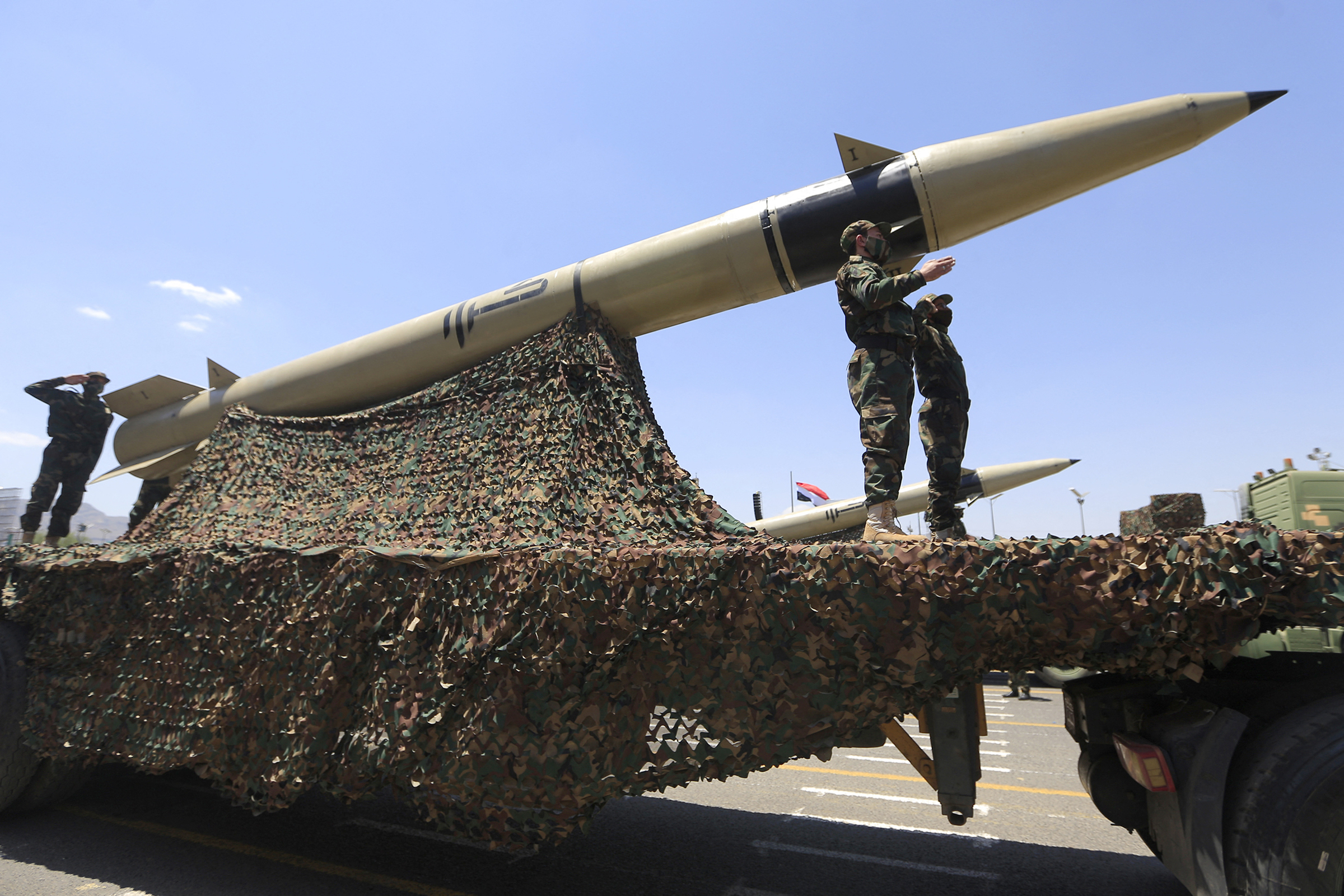 |
Houthi missiles at a parade in Sanaa, Yemen, September 2023. *Photo: AFP* |
Along with claiming responsibility for the missile strike, Houthi also announced a "complete ban" on Israel in the Red Sea. The group warned that all Israeli-linked vessels would be considered legitimate military targets when traveling in the Red Sea from this point forward.
During the conflict between Israel and Hamas in the Gaza Strip, Houthi previously launched continuous missile and drone attacks on Israeli-linked cargo ships passing through this strategic shipping lane. This forced many shipping companies to reroute via southern Africa, significantly extending their journeys.
This marks the first declared Houthi missile attack on Israel since a ceasefire in the Iran conflict took effect on 8/4.
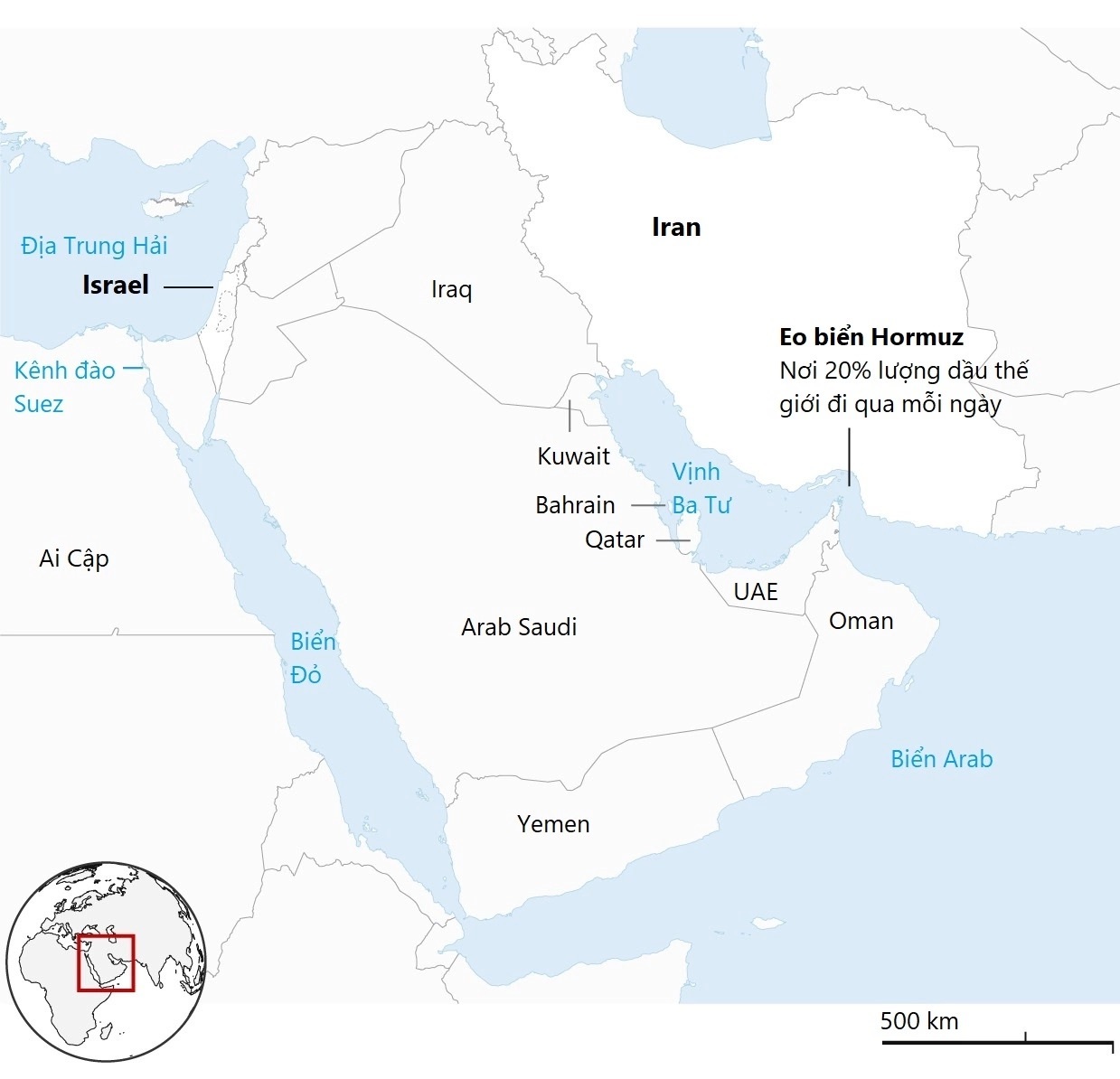 |
Location of Yemen and Israel. *Graphic: Guardian* |
The Houthi attack occurred after Israel and Iran launched missile strikes against each other, increasing pressure on the ceasefire agreement and the prospects for a region-wide peace deal.
Houthi, along with Hezbollah in Lebanon, are members of the "Axis of Resistance", an alliance of Iran-backed militia groups in the Middle East.
The Houthi group has controlled most of northern Yemen for over a decade, after seizing the capital and clashing with forces supporting the internationally recognized Yemeni government.