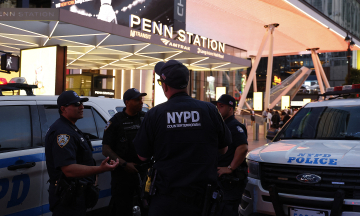
David J. Rush, a former senior employee of the Central Intelligence Agency's (CIA) Directorate of Science and Technology, was arrested in May and faces charges of embezzling public funds. During a search of his home, federal agents discovered 303 gold bars valued at approximately 40 million USD, over 2 million USD in cash and foreign currency, and 35 luxury watches.
These assets are believed to be illicit, accumulated by Rush over several years through a fictitious intelligence program. The suspect obtained top-secret information security clearance under a Special Access Program (SAP) mechanism to conceal his siphoning of government funds, sources familiar with the investigation told the Washington Post. SAP intelligence programs are highly protected; even intelligence personnel with the highest security access cannot access them without specific approval from CIA leadership.
Rush brought two colleagues into his fabricated project, using the SAP mechanism to bind them from discussing project activities with others. It remains unclear whether Rush's colleagues knew the program was fake. Officials have yet to explain how an individual could create such an intelligence "black box" without authorization from superiors. A source described Rush's fake project as involving "continuity of government" plans, a concept for ensuring the US government remains functional during worst-case scenarios like nuclear war, natural disasters, or other emergencies.
Rush convinced one of his two colleagues to transfer millions of USD into the program through a fabricated contract with the government. He also persuaded a defense contractor to purchase large quantities of gold. The suspect then embezzled and stored this gold at his private residence. The David J. Rush case has shaken the intelligence community due to the suspect's incredibly broad and unusual scope of authority.
Some former US officials and sources familiar with the matter stated Rush was involved in one of the government's most sensitive intelligence collection programs. While details of the program were not disclosed to the media, sources described it as so secret that only a few intelligence officials and US congressmen were aware of its existence.
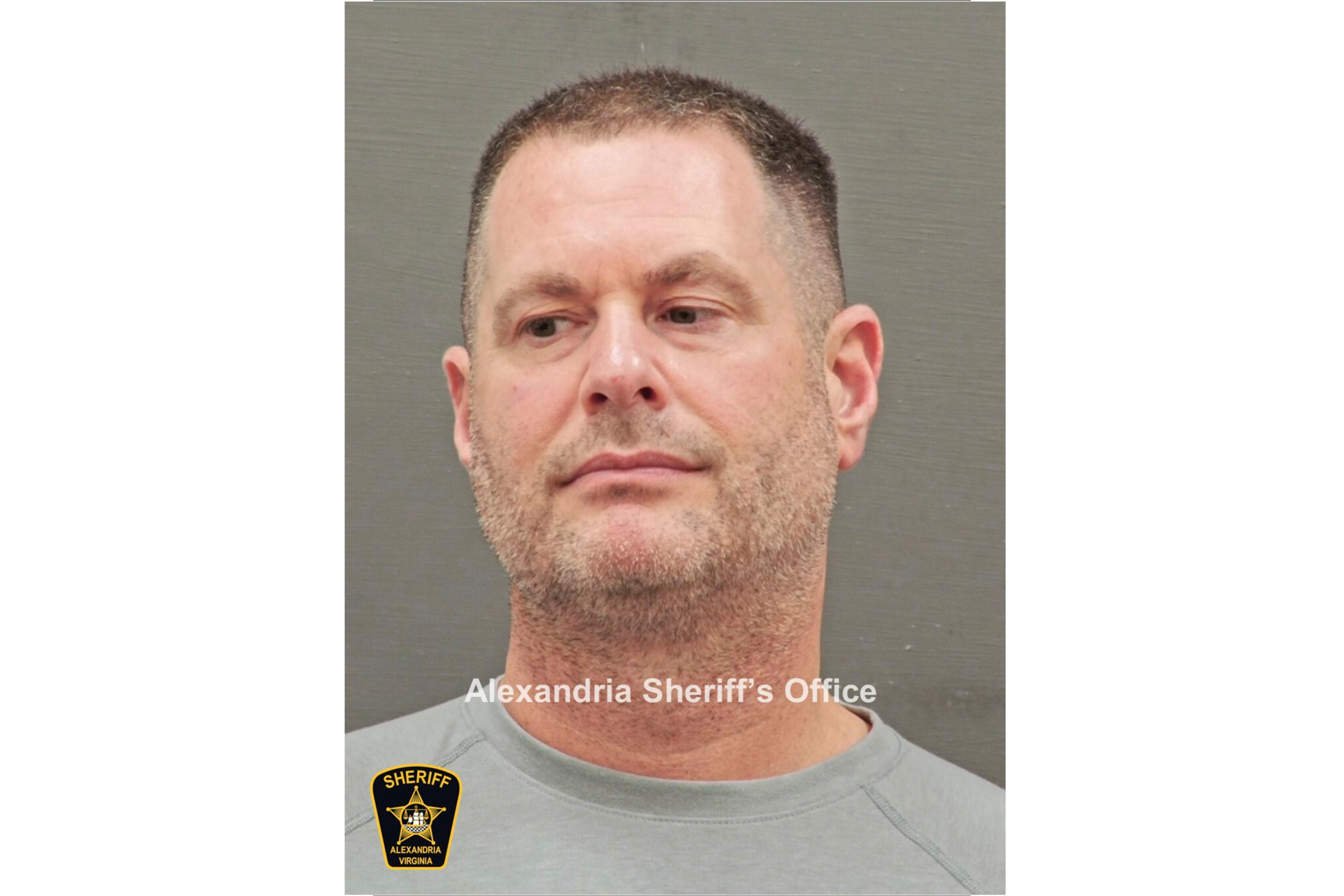 |
David J. Rush's booking photo at the Alexandria Sheriff's Office, Virginia. AP.
Rush was arrested following an Federal Bureau of Investigation (FBI) raid on 18/5. At a pre-trial detention hearing in Alexandria, prosecutor Gavin Tisdale described Rush as a "master manipulator". "We cannot trust Rush to comply with court conditions", Tisdale stated, asserting that the defendant posed a high flight risk and was willing to circumvent the law. Judge William Fitzpatrick concurred, finding that Rush possessed the skills, means, and motivation to flee, and thus ordered his continued detention until trial.
Defense attorney Jessica Carmichael requested the court allow her client home confinement with electronic monitoring, enabling him to be with his wife and children while awaiting trial. She argued that the government's allegations were "sensational", containing much information unrelated to the current charges. However, the prosecution indicated that the investigation had progressed rapidly since the initial complaint, and investigators now possessed substantially more evidence than what had been publicly disclosed.
Beyond the embezzlement charges, Rush is also suspected of falsifying his personal records to join the CIA. He claimed to hold a bachelor's degree from Clemson University and a master's degree from Rensselaer Polytechnic Institute. However, the investigation found no records confirming Rush ever attended either institution.
Rush is also accused of fabricating his military background. He asserted he was a naval aviator, but the FBI found no evidence to substantiate this claim. Investigators further discovered Rush received approximately 77,000 USD in military leave pay by falsely claiming to be a military reservist, despite being discharged in 2015. Records show he claimed a total of 744 hours of military leave after his discharge.
 |
CIA Headquarters in Langley, Virginia, 13/4/2016. AP.
These revelations have raised numerous questions regarding the CIA's recruitment and background check processes. Many former US intelligence officials expressed surprise that Rush's falsehoods were not detected during the famously rigorous vetting procedures. Marc Polymeropoulos, a former CIA operations officer who worked in various regions globally, explained that CIA candidates typically undergo blood tests, psychological evaluations, polygraph examinations, and multiple other verification steps. Security officials meticulously cross-reference university transcripts and conduct interviews with applicants' friends, relatives, and lecturers. "It's hard to believe he could pass such a thorough vetting process", Polymeropoulos remarked.
The scandal has also led to significant repercussions within the US government. The CIA has temporarily suspended several employees as investigations continue. A senior staff member at the defense contractor involved in the fraud case has been dismissed. Sources indicate there is currently no evidence suggesting Rush worked for any foreign government or engaged in espionage. The case has also sparked doubts about the CIA's security protocols, which are designed to protect America's most valuable intelligence secrets. A former senior intelligence official noted that intelligence agencies often employ special financial operations to move large sums of money without attracting the attention of adversaries such as China or Russia. "It's important that adversaries don't know where the money comes from and goes. Now, the problem is that sometimes even our own side doesn't know", the official stated.