The Israel Defense Forces (IDF) announced today that it conducted strikes targeting multiple facilities within the petrochemical complex in the Mahshahr area, southwestern Iran. Details were not immediately released.
Iranian media later confirmed an Israeli strike hit a petrochemical facility in Khuzestan province. At least two explosions occurred at the Karun petrochemical company in Mahshahr, causing partial damage but no casualties. This area had been previously targeted by an IDF airstrike in April.
Authorities in the port city of Mahshahr announced a 30% reduction in administrative staff as the conflict escalated. This directive did not apply to emergency responders or essential utility providers for electricity, water, and gas.
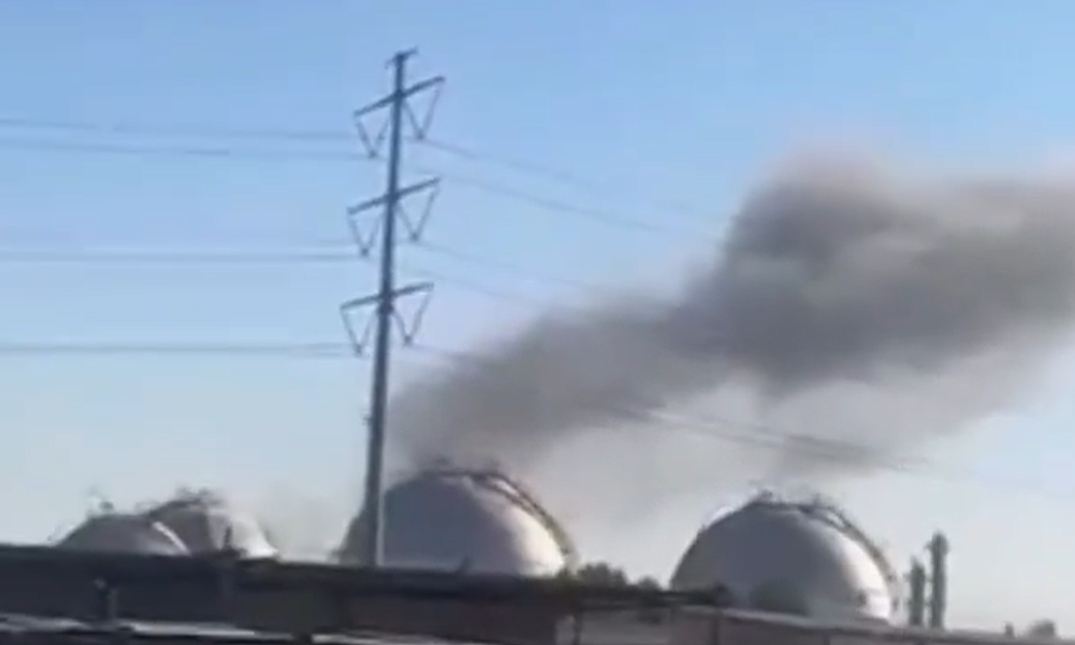 |
Smoke rises from the petrochemical complex in Mahshahr, Iran, on 8/6. Photo: Times of Israel |
Hours later, the Islamic Revolutionary Guard Corps (IRGC) announced a retaliatory strike targeting a petrochemical plant in Haifa. The IRGC accused Israel of initiating a "dangerous game" by attacking civilian targets and Iran's oil industry.
"Consequences will engulf every target in the region," the IRGC warned. "Damage to the global economy will be borne by the primary arson suspect: the United States."
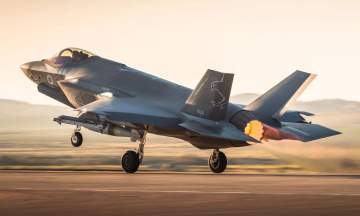
On the afternoon of 8/6, the IDF stated it had completed a large-scale airstrike, deploying dozens of fighter jets against Iranian air defense systems. Israeli officials asserted they destroyed "a series of strategic defense systems" Iran had deployed in recent months, but did not provide specifics.
Iranian Foreign Ministry spokesperson Esmaeil Baghaei commented that the missile exchanges would intensify challenges for the "already chaotic diplomatic process" between Tehran and Washington. He argued that the United States bears direct responsibility for Israel's ceasefire violations, contending that Tel Aviv would not act without consulting Washington.
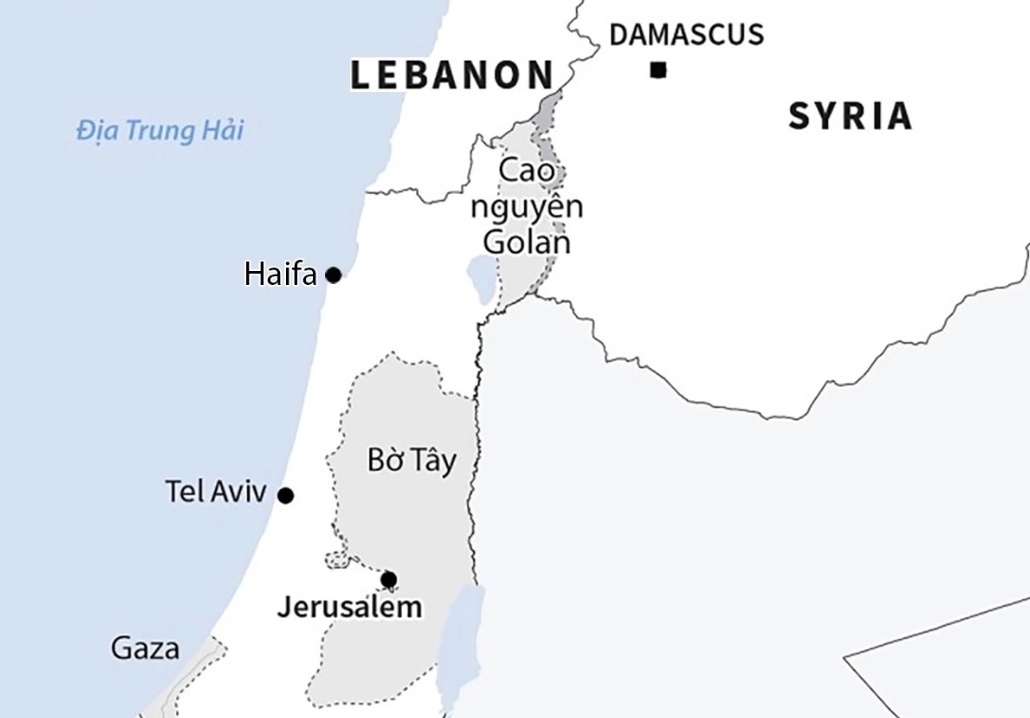 |
Location of Haifa. Graphics: AFP |
On 7/6, Iran launched a series of missiles at Israeli territory, retaliating for an IDF strike on the southern suburbs of Beirut, Lebanon's capital. This area is considered a stronghold of the Iran-backed armed group Hezbollah. Israel stated it intercepted all 11 Iranian missiles and launched a retaliatory strike, despite calls for restraint from US President Donald Trump.
Iran had previously warned that the attack on Beirut would reignite full-scale conflict across the Middle East. These clashes diminish hopes for lasting peace in the region, as negotiation efforts have stalled and a ceasefire, effective from 8/4, is continuously challenged.
Thanh Danh (According to Al Jazeera, Times of Israel)