Ali Mousavi, Iran's representative to the International Maritime Organization (IMO), announced today that the nation is prepared to collaborate with the IMO to enhance maritime security and protect sailors in the Persian Gulf.
According to Mousavi, the Strait of Hormuz remains accessible to all vessels, with the exception of those linked to "enemies of Iran." Ships may traverse this narrow waterway if they coordinate security and safety protocols with Tehran.
"Diplomacy is Iran's priority. However, the complete cessation of aggression and the fostering of mutual trust and confidence are paramount," Mousavi stated. He added that attacks by Israel and the US against Iran are the "root cause of the current situation in the Strait of Hormuz."
On 20/3, Mousavi reiterated Iran's readiness to facilitate vessel passage through the Strait of Hormuz, contingent on coordination with Tehran's security officials.
"All matters require notification to the relevant Iranian authorities," he emphasized, noting that the safety of vessels and sailors would be integral to this coordination mechanism. "Iran welcomes any initiative or proposal aimed at ensuring greater safety for international maritime transport."
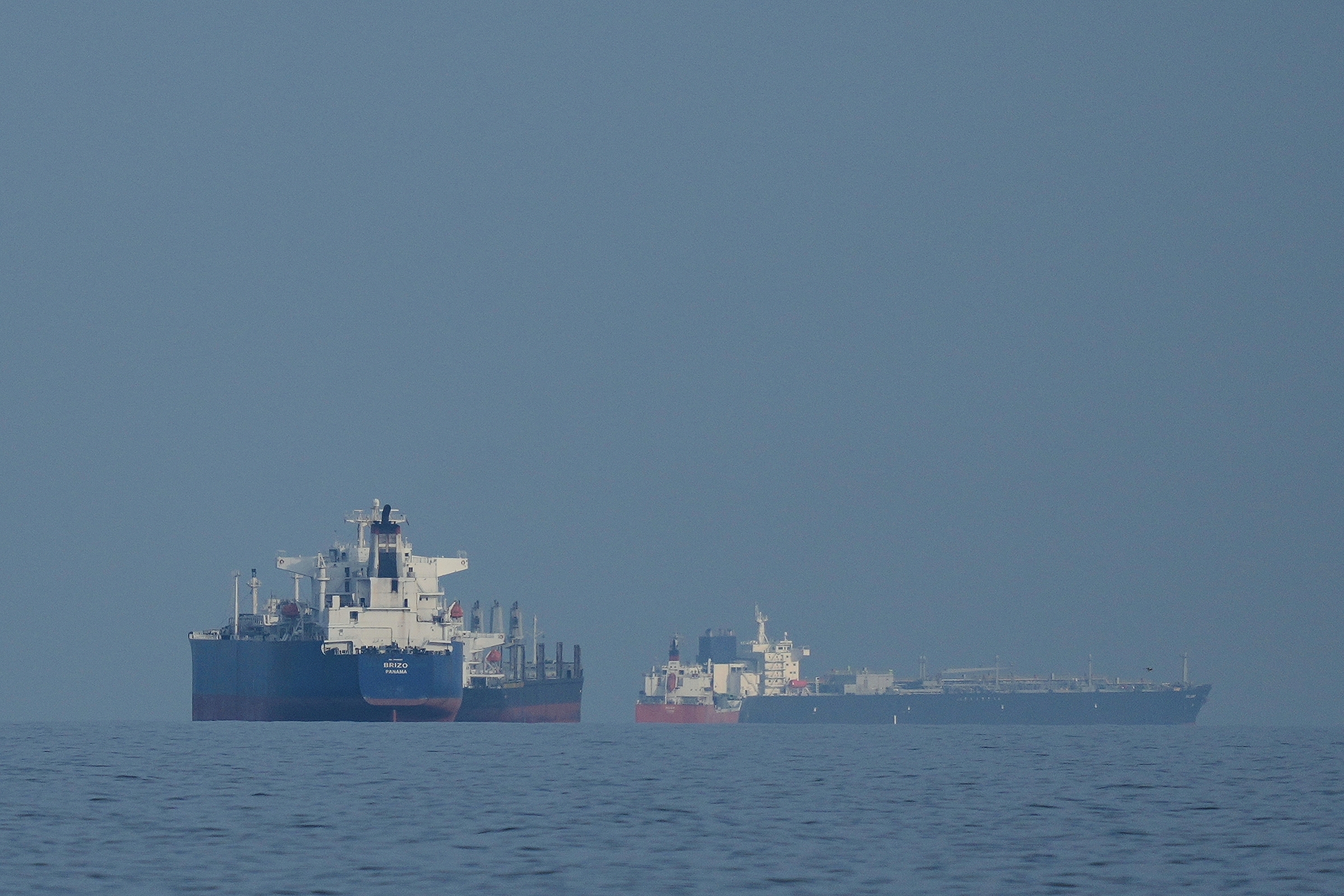 |
Oil and cargo ships queuing in the Strait of Hormuz on 11/3. Photo: AP |
Following the US and Israeli attacks on Iran on 28/2, Tehran responded by nearly closing the Strait of Hormuz. This action compelled nations reliant on the route to urgently seek alternative shipping lanes and utilize strategic reserves. The resulting disruption of supply from the Gulf triggered a surge in global fuel prices, posing a risk of widespread inflation if the conflict endures.
The IMO estimates that nearly 20,000 sailors and approximately 3,200 ships are currently stranded due to the Strait of Hormuz closure. At least 7 sailors have died, and several others sustained serious injuries in attacks on commercial vessels within the Strait.
The US recently bolstered its forces and assets, urging allies to support efforts to reopen the Strait of Hormuz. Meanwhile, Iran has granted "special permission" for some countries' vessels to pass, but threatens to attack any US, Israeli, or allied ships in the region.
On 21/3, US President Donald Trump issued an ultimatum to Tehran, demanding the country reopen the Strait and cease threatening actions within 48 hours. Failure to comply, he warned, would result in US attacks to eliminate Iran's power plants, beginning with its largest facility. This marked the first time Trump issued such an ultimatum targeting Iran's electrical infrastructure.
In response to Trump's statement, Iran's armed forces declared that if their power plants were attacked, all energy, information technology, and desalination infrastructure across the Middle East would be targeted.
By Huyen Le (Reuters, Xinhua, Al Jazeera)