Bloomberg on 30/3 estimated that Iran has launched nearly 1,200 ballistic missiles and 4,000 Shahed series suicide drones at Gulf countries since the conflict began. This data is based on statistics released by officials from these countries, which are considered incomplete.
This information was released after the Gulf experienced its most intense ballistic missile attacks since the conflict erupted. On 28-29/3 alone, Iranian forces conducted up to 40 ballistic missile launches, double the daily average during the preceding period.
Experts assess that the current conflict is significantly eroding the resources of the US, Israel, and regional allies, with the most severe depletion being air defense missiles.
The "shoot-shoot-look" tactic is commonly employed by the US and its allies for ballistic missile interception. Each battery fires two consecutive missiles at a target and monitors the outcome. If the target is not neutralized, the battery continues firing using the same method.
This tactic ensures a high target neutralization rate, but it also consumes missiles much faster than the "shoot-look-shoot" method.
"This means the US and Gulf nations have fired at least 2,400 interceptors, possibly more, to counter Iranian ballistic missiles during more than a month of conflict. Most of these are PAC-3 and PAC-2 GEM-T rounds from the Patriot system", said Bloomberg writer Gerry Doyle.
Data from Foreign Military Sales (FMS) agreements approved by the US Department of State, along with estimates from three experts and an anonymous source familiar with the situation, indicate that Gulf countries possessed fewer than 2,800 Patriot missiles before the conflict began.
FMS documents only show the quantity of missiles customers proposed to buy or that the US Department of State approved for sale, while the number of weapons actually delivered could be lower. Efforts by Gulf countries to replenish missile stockpiles are also considered difficult due to high demand and manufacturing speed limitations.
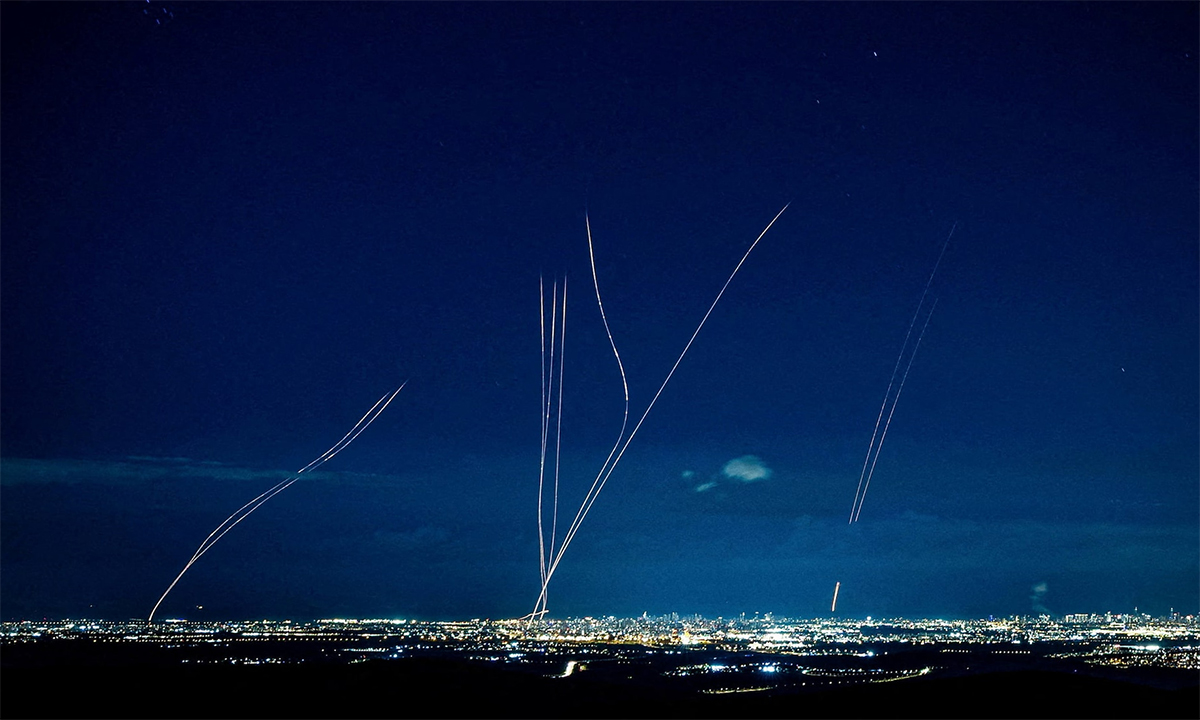 |
An Israeli interceptor missile heading towards an Iranian ballistic missile on 28/2. Photo: Reuters |
Manufacturer Lockheed Martin currently produces about 650 PAC-3 missiles annually and has signed an agreement to increase production to 2,000 by 2030. The corporation also ships about 96 missiles for the Terminal High Altitude Area Defense (THAAD) system each year and has contracted to expand capacity to 400 rounds annually.
"Without active US support, most Gulf nations would have nothing left to defend themselves", warned Kelly Grieco, a defense policy expert at the US-based Stimson Center.
However, even the US military appears to face challenges in filling defense gaps in the Middle East.
The Washington Post on 25/3 cited three sources revealing that the Pentagon is considering redirecting some interceptor missiles, ordered under Ukraine's Priority Request List (PURL) program launched by NATO last year, to the Middle East.
Two anonymous officials added that the Pentagon had informed the US Congress of its intention to use about 750 million USD from the PURL fund to replenish US military stockpiles, rather than sending more weapons to Ukraine.
A spokesperson for the US Department of Defense affirmed the policy of "ensuring US forces and our allies and partners have what they need to fight and win", but declined to comment on the details of the information.
"The rapid rate of advanced weapons consumption suggests that the US believes there will be no conflict with a peer adversary in the near future or that it can quickly defeat Iran. This is strategically interesting, demonstrating that the Trump administration considers Iran the most important issue and is willing to bet everything to win", said Peter Layton, a former Australia air force officer working at the Griffith Asia Institute.
"In the short term, the operation against Iran is a military and tactical success for the US. However, the rate of consumption of Patriot missiles and other interceptor weapons, combined with insufficient production to replenish them, will create a strategic weakness in the medium term", stated Claudia Major, an expert at the German Marshall Fund in the US.
Israel's air defense missile reserves are also under scrutiny as the conflict entered its second month.
Semafor in mid-3 quoted anonymous US officials as saying that Israel's ballistic missile interceptor arsenal was "dangerously low" just two weeks into the conflict. The Israel Defense Forces (IDF) later declared "no shortage of air defense missiles" to counter attacks from Iran and the Hezbollah armed group in Lebanon.
The Royal United Services Institute (RUSI) on 24/3 released a report estimating that Israel, the US, and allies used 11,294 rounds of various types, totaling 26 billion USD, during the first 16 days of the conflict. "In particular, stockpiles of precision missiles and long-range interceptors are being depleted", RUSI noted.
The long manufacturing time and high cost of modern missiles like Arrow further exacerbate the risk of interceptor depletion. Each Arrow-2 missile costs about 1,5 million USD, while the Arrow-3 model costs two million USD.
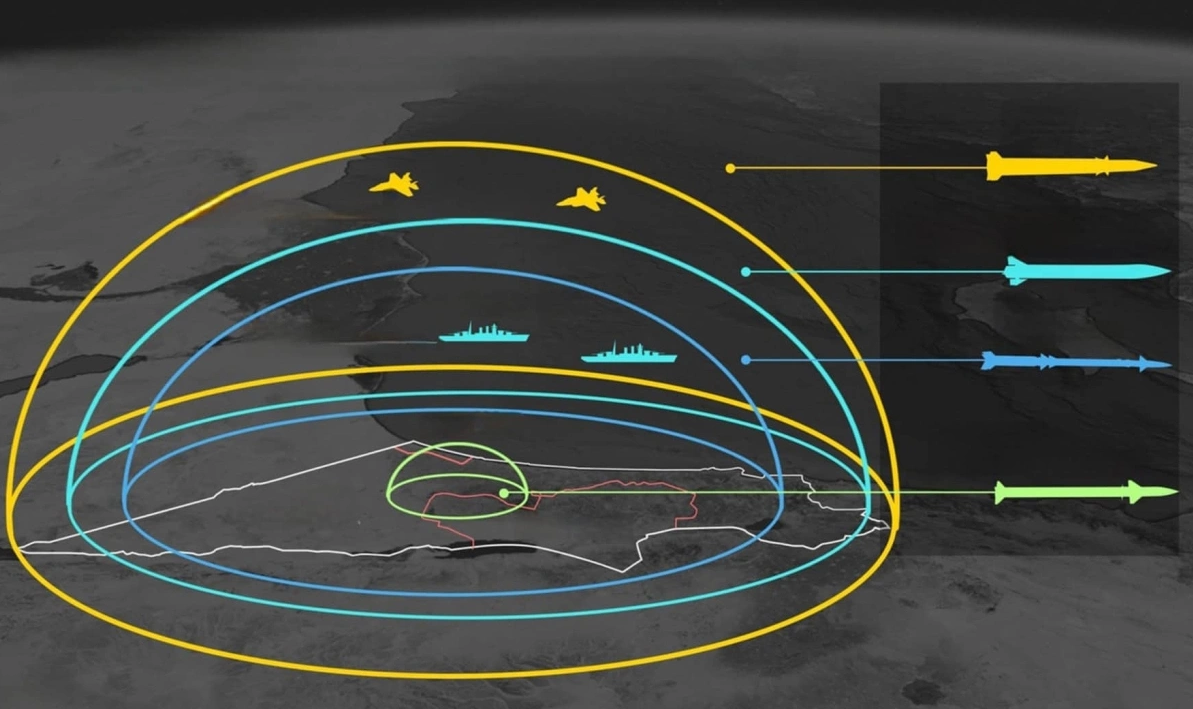 |
Israel's multi-layered air defense grid protecting its territory. Click for details |
Israel does not disclose the size of its missile reserves or production rate, but experts believe the country needs two to three years to replenish the number of missiles consumed in previous conflicts, not to mention the current hostilities.
"The bottleneck is not money, but industrial limits. Production lines cannot be scaled up like an iPhone factory. These types of missiles are for the worst threats, and supply is never abundant", said US Lieutenant Colonel Jahara Matisek, co-author of the RUSI report.
Nguyen Tien (According to Bloomberg, AFP, AP)