Israel's Defense Minister Israel Katz stated on 24/3 that the country's military will "control the remaining bridges and the security zone extending to the Litani River".
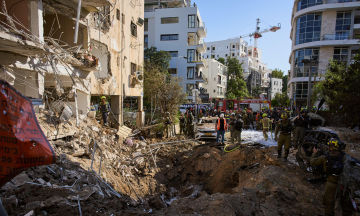
He emphasized that houses or residents should not be present in areas where "terrorists" operate in southern Lebanon, referring to Hezbollah, the Iran-backed armed group in the neighboring country. According to Minister Katz, Israeli soldiers in Lebanon are building "forward defensive lines" and destroying infrastructure used by Hezbollah forces, including houses he claims the armed group uses as "outposts".
The Israeli official compared this approach to methods Tel Aviv's forces previously used in the Gaza Strip. He stated that buildings near the border are being cleared and destroyed to "establish a defensive buffer zone and push the threat away from residential areas".
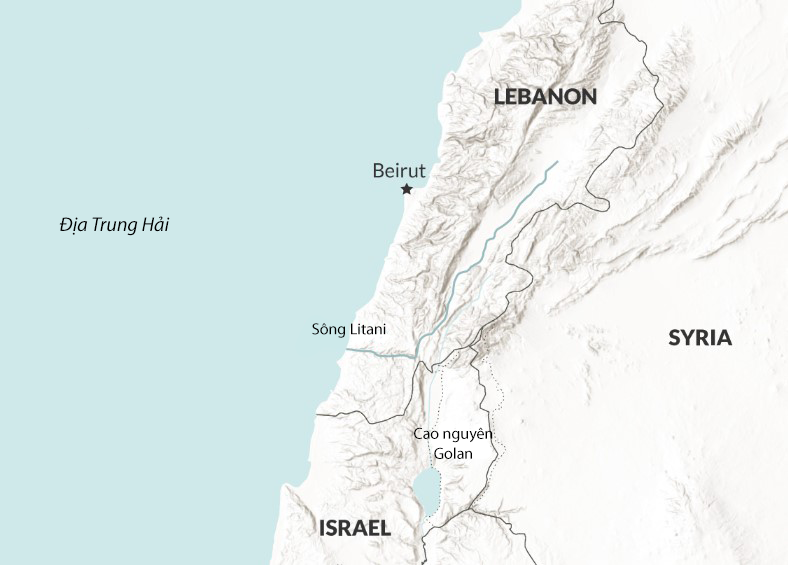 |
Location of the Litani River. Graphics: RANE |
Hassan Fadlallah, a senior Hezbollah parliamentarian in Lebanon's parliament, declared that the armed group would fight to prevent Israel from occupying the country's south, calling such a move by Tel Aviv an "existential threat" to the Lebanese state.
The parliamentarian stressed that any Israeli occupation south of the Litani River would face resistance. "We have no choice but to confront this aggression and hold onto our land", he said.
The Israeli military declined to comment on Minister Katz's statement. The force previously stated that Israeli infantry were conducting limited, targeted raids near the border.
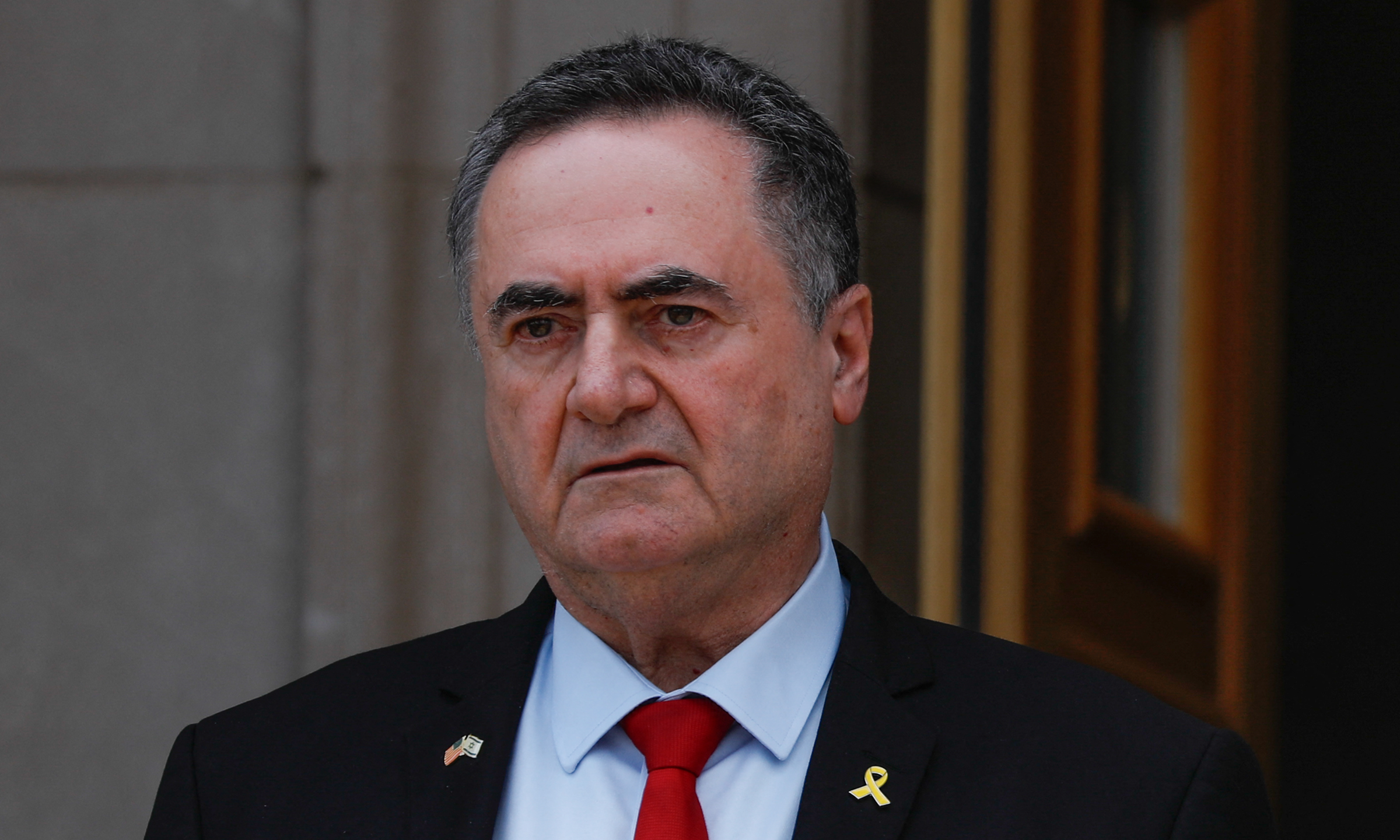 |
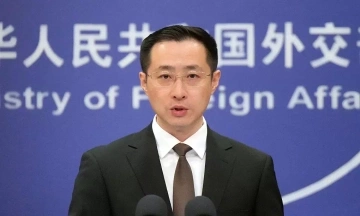
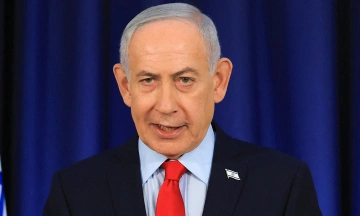
Minister Katz in Washington, US in 7/2025. Photo: AFP |
The Litani River is located approximately 30 km north of the Israel-Lebanon border. According to Reuters news agency, this is the first time Israel has publicly announced its intention to occupy a large territory, equivalent to nearly one-tenth of the neighboring country's area.
Minister Katz had previously threatened that Lebanon would lose territory if its government did not disarm the Hezbollah armed group. Bezalel Smotrich, Israel's influential Finance Minister, also suggested on 23/3 that the country should annex the territory extending to the Litani River in southern Lebanon.
Israel has repeatedly sent troops into Lebanon in recent decades and previously occupied the country's south until 2000.
Lebanon was drawn into the Middle East conflict after the Hezbollah armed group on 2/3 fired rockets into Israeli territory, in retaliation for the assassination of Iran's supreme leader Ali Khamenei in a US-Israeli strike. Tel Aviv deployed troops to Lebanon and conducted large-scale airstrikes in the neighboring country.
Since 13/3, the Israeli military has destroyed 5 bridges over the Litani River. The force also intensified the destruction of houses in villages near the border in Lebanon, as part of a campaign Israel states is aimed at confronting Hezbollah forces, not civilians.
Lebanon's Ministry of Foreign Affairs on 24/3 declared Iran's ambassador to the country "persona non grata" and gave him until 29/3 to leave. The announcement came after Lebanese Prime Minister Nawaf Salam accused Iran's Islamic Revolutionary Guard Corps (IRGC) of directing the Hezbollah armed group in the war against Israel.
Hezbollah forces called the Lebanese government's decision to expel the Iranian ambassador "a sin" and called for the decision to be reversed.
Pham Giang (Reuters, AFP)