On 10/5, Iranian Deputy Foreign Minister Kazem Gharibabadi declared that British, French, or any nation's warships appearing in the Strait of Hormuz would face an "immediate and decisive reaction." He asserted, "We remind them that in both war and peace, only Iran can establish security in this strait and and will not permit foreign interference in these affairs."
These statements followed France's deployment of the nuclear aircraft carrier Charles de Gaulle to the Middle East. The UK also announced on 9/5 that it was deploying the air defense destroyer HMS Dragon to the area. Both nations described these moves as "pre-positioning forces" ahead of an international mission to protect maritime activity.
The UK Ministry of Defense announced that it, along with France, would co-host a multinational conference at the defense ministerial level. This meeting aims to discuss military plans for restoring trade activities through the region, with over 40 nations expected to participate online. "We are turning diplomatic agreements into practical military plans to restore confidence in maritime shipping through the Strait of Hormuz," the UK Ministry of Defense stated.
French President Emmanuel Macron stated on 10/5 that France "never planned" to deploy naval forces in the Strait of Hormuz, opting instead for a security mission "coordinated with Iran." He affirmed his opposition to blockades from either side and rejected "any fees" imposed to ensure safe passage for vessels through the Strait of Hormuz.
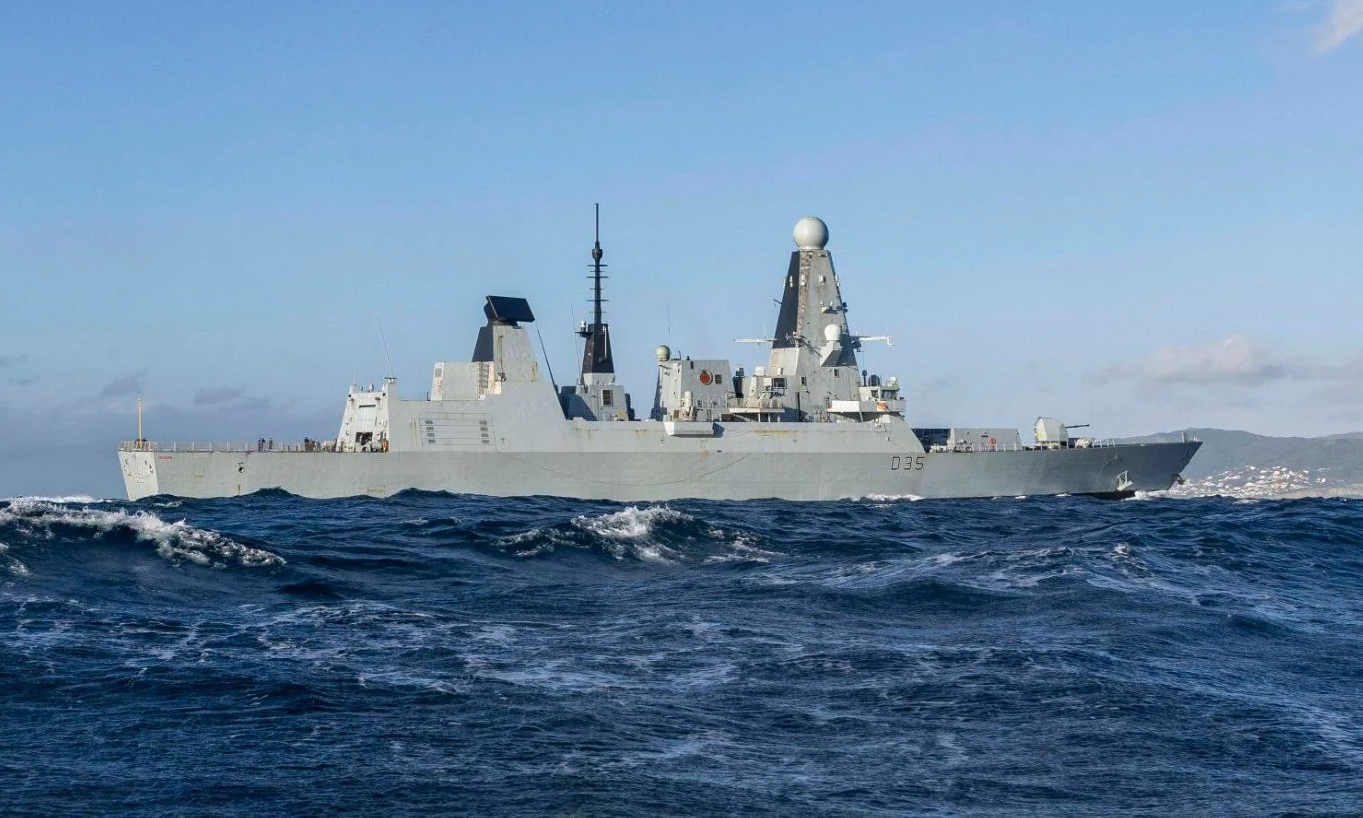 |
HMS Dragon destroyer en route to Cyprus in March. *Photo: UK MoD* |
According to a UK Ministry of Defense spokesperson, the deployment of HMS Dragon is part of a "prudent plan" to be ready to support security in the Strait of Hormuz when conditions permit. The agency added that this action would reinforce confidence in commercial shipping and support mine-clearing efforts after hostilities cease.
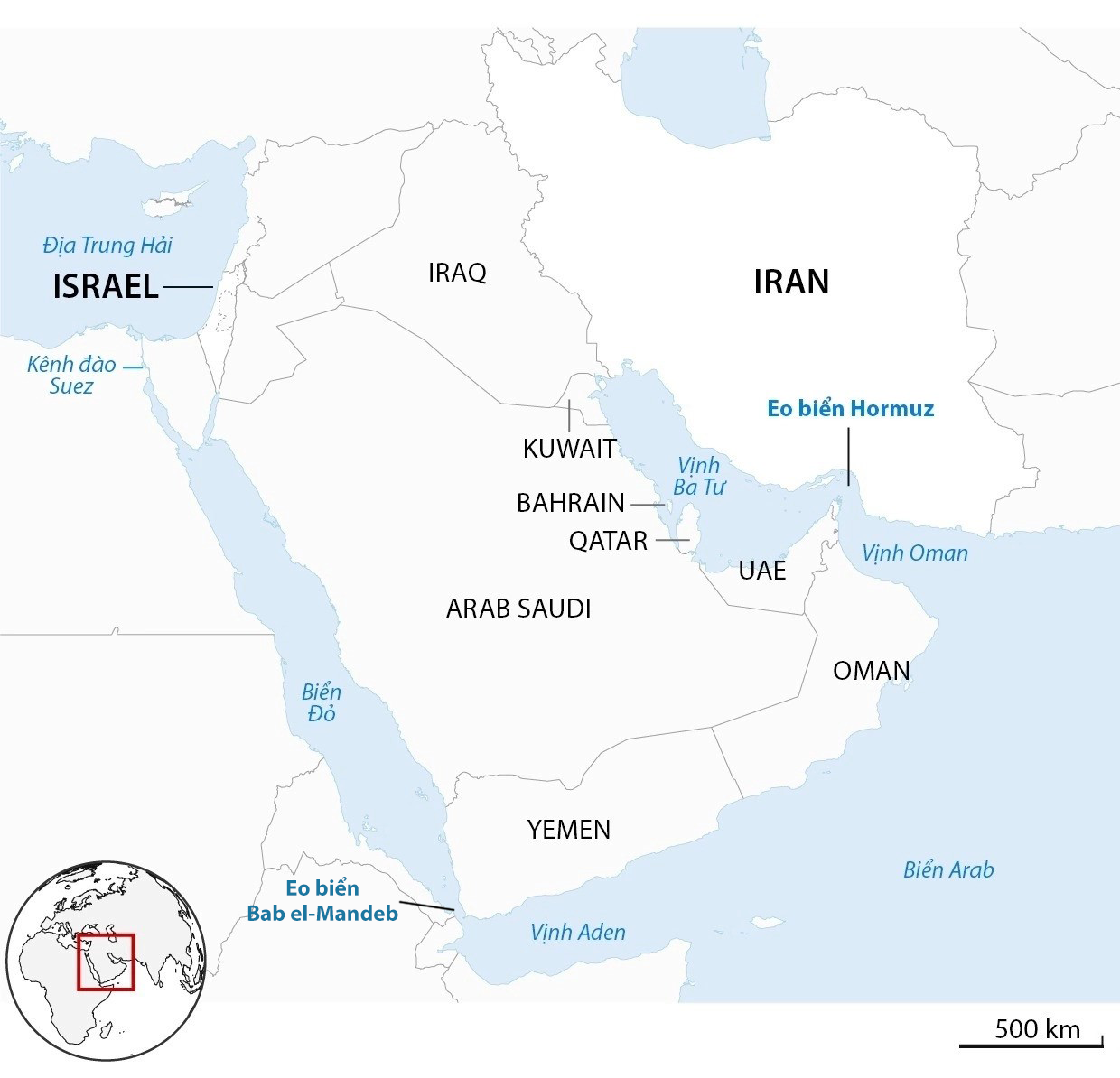 |
Location of the Strait of Hormuz. *Graphic: Guardian* |
Before the US-Israel offensive against Iran on 28/2, about one-fifth of the world's oil was transported through the Strait of Hormuz. Tehran subsequently almost closed this shipping lane, causing global markets to fall into chaos and oil prices to surge. The US blockaded Iranian seaports in response.
Pham Giang (via AFP)