Israeli Foreign Minister Gideon Saar announced on 17/3 that his country had achieved victory in the ongoing conflict with Iran. Despite this declaration, Saar acknowledged that the war's ultimate goals had not yet been met, indicating the conflict's continuation. The war between the United States, Israel, and Iran has now entered its 18th day, resulting in over 2,000 casualties, primarily in Iran and Lebanon.
Saar stated that Israel's primary objective in the conflict is to eliminate the "existential threat" posed by Iran. However, he did not specify the criteria for determining when this goal would be fulfilled, emphasizing that "patience is required". Previously, Saar and other Israeli officials had outlined broader objectives, including significantly weakening Iran's long-term capacity to attack Israel and fostering internal conditions for "the people to change the government" within Iran.
By 17/3, Saar's stance on regime change had evolved. He clarified that the Iranian regime could only be overthrown by its own people, not through external intervention. This statement signals Israel's recognition that an internal uprising against the current government is not imminent.
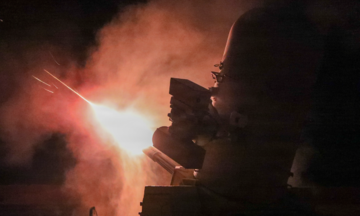
The Israeli military confirmed its operations over the past two weeks, which included airstrikes targeting Iran's ballistic missile launchers, production facilities, and weapons depots. Israel also bombed sites it linked to Iran's nuclear program and conducted strikes against security forces.
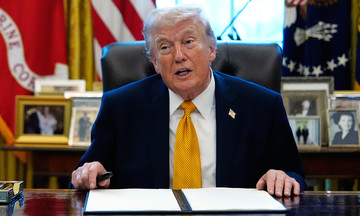
"We have won," Foreign Minister Saar declared, describing Iran as "severely weakened" and fundamentally altered from its state before hostilities commenced on 28/2. "That is very clear to us and our neighbors, but we will continue the war until the mission is complete." Similarly, US President Donald Trump announced on 11/3 that the United States had also won the war with Iran, yet stated that military operations would continue until "the mission is complete".
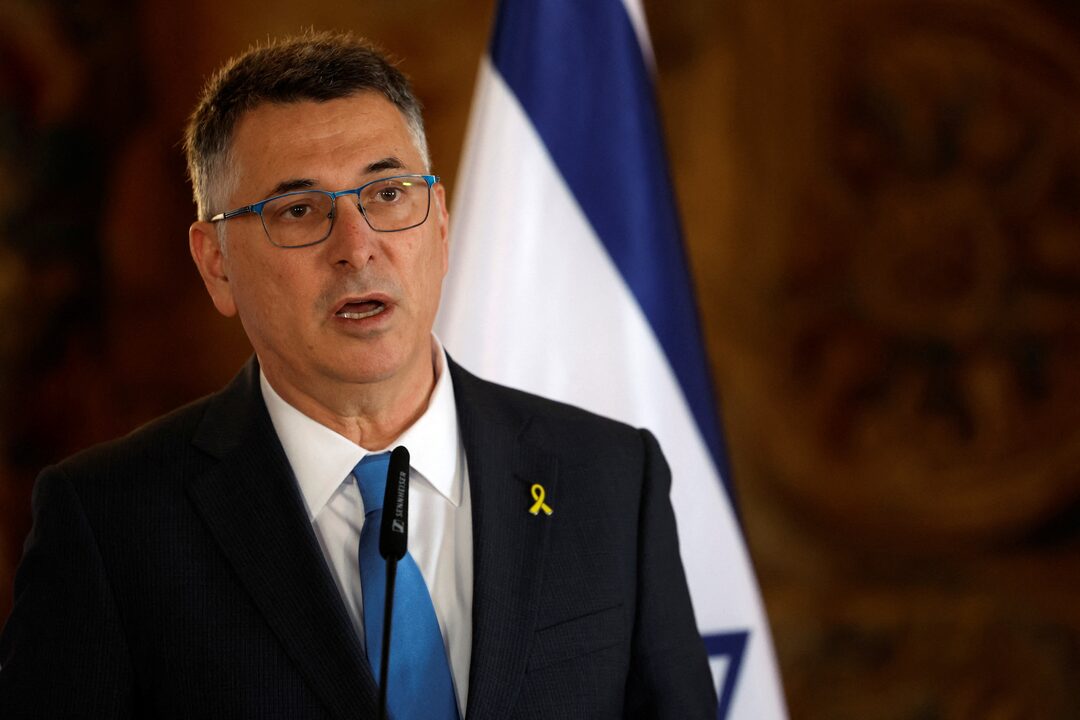 |
Israeli Foreign Minister Gideon Saar in Prague, Czech Republic, in January. Photo: Reuters |
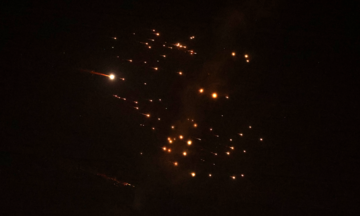
Despite Saar's victory claim, Iran immediately launched a volley of missiles at Israel. This demonstrated Tehran's sustained capability for long-range attacks even after more than two weeks of fighting. The Trump administration has sent mixed signals regarding the conflict's conclusion, at times suggesting an early end while simultaneously affirming the ongoing nature of the campaign. Israeli officials have avoided setting a timeline, with the military indicating it has prepared operational plans for the next three weeks and beyond. Foreign Minister Saar reiterated, "We are doing very important work."
The war between the United States and Israel against Iran has plunged the wider region into chaos. Israel is simultaneously engaged in conflict with Iran-backed Hezbollah forces in Lebanon, while Tehran has launched attacks on targets in Arab Gulf states.
A major concern is Iran's near-blockade of the Strait of Hormuz, a critical maritime passage through which 20% of the world's oil and liquefied natural gas flows. This action has led to rising energy prices and widespread concerns about inflation. Israel's foreign minister criticized Iran's blockade of this vital shipping lane, emphasizing its global implications.
Huyen Le (According to Reuters)