 |
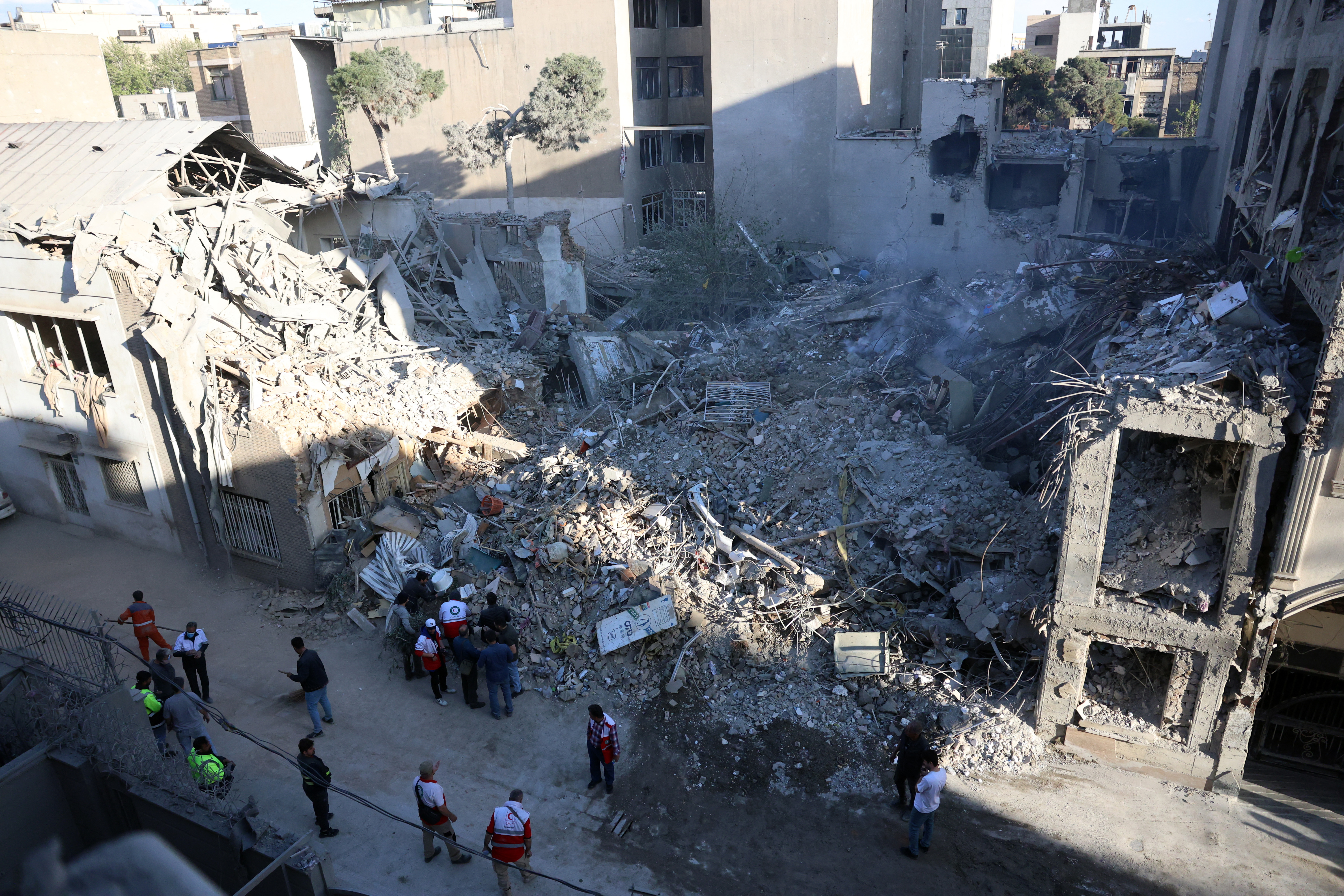
Iranian rescue workers and volunteers at the scene of an attack in the capital. |
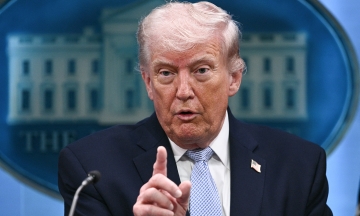
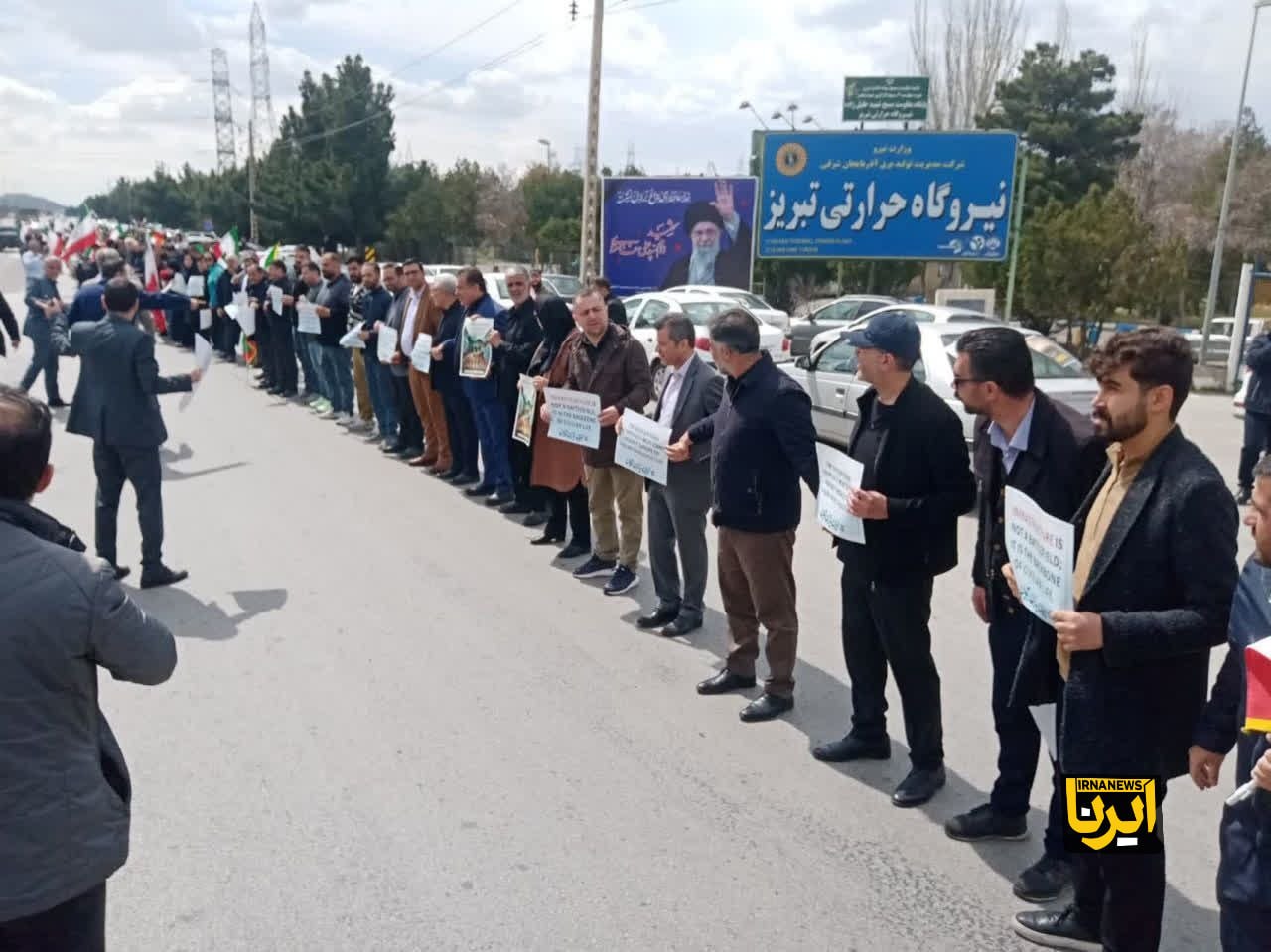
On 7/4, Iranians rallied, forming human shields outside power plants in East Azerbaijan province. This action coincided with ongoing US and Israeli airstrikes on Iran, as the deadline for President Donald Trump's ultimatum approached. Trump had demanded Iran reopen the Strait of Hormuz by 20:00 on 7/4 (7:00 on 8/4 Hanoi time), threatening destruction of civilian infrastructure, including bridges and power plants, if they failed to comply.
Alireza Rahimi, Deputy Minister of Youth and Sports, had previously called on all youth, artists, athletes, and champions to join the nationwide campaign "Iranian Youth Human Shield for a Bright Future." This initiative, held at power plants across the country, aimed to assert that "attacking civilian infrastructure is a war crime."
 |
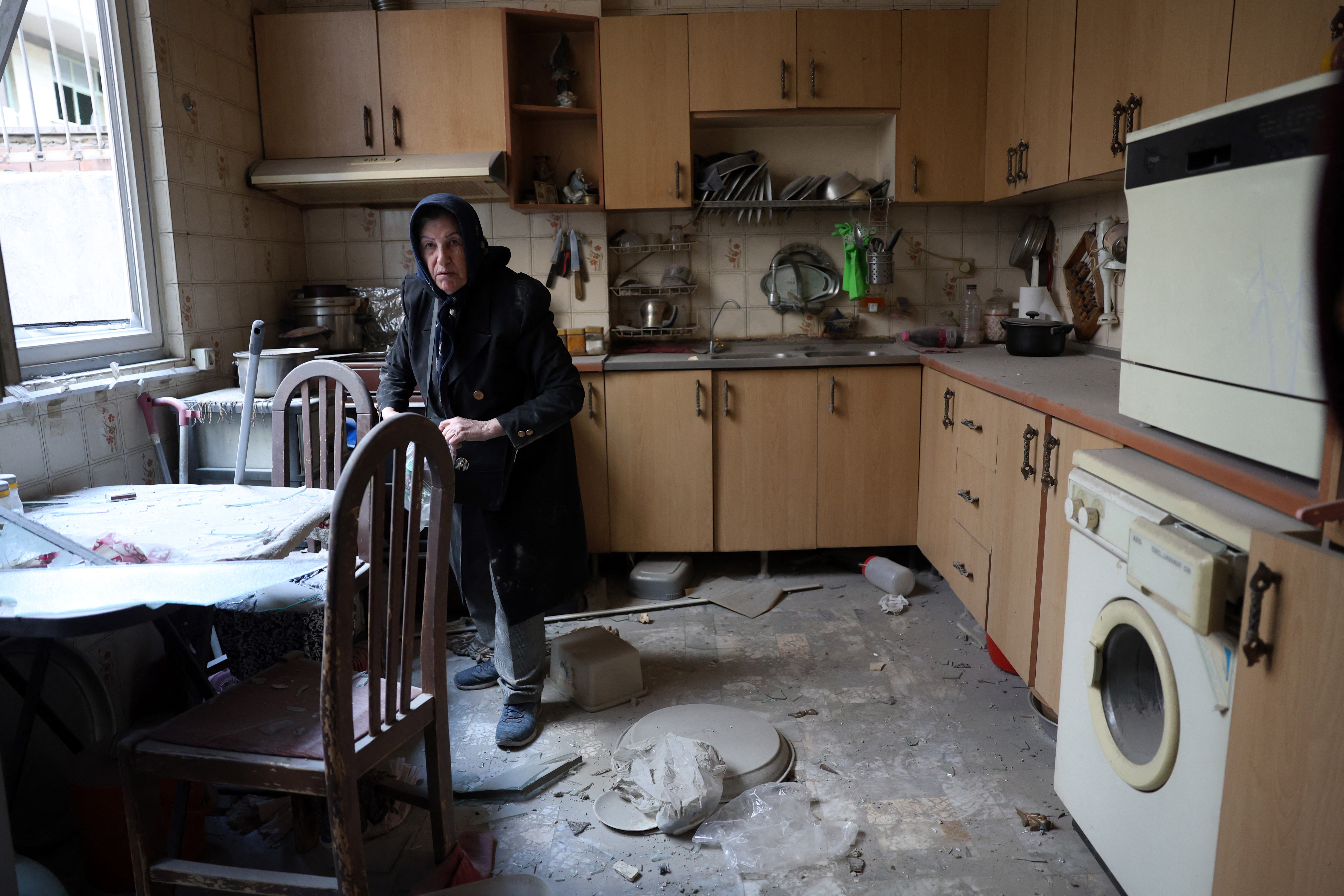
A woman cleaned her damaged apartment in Tehran. |
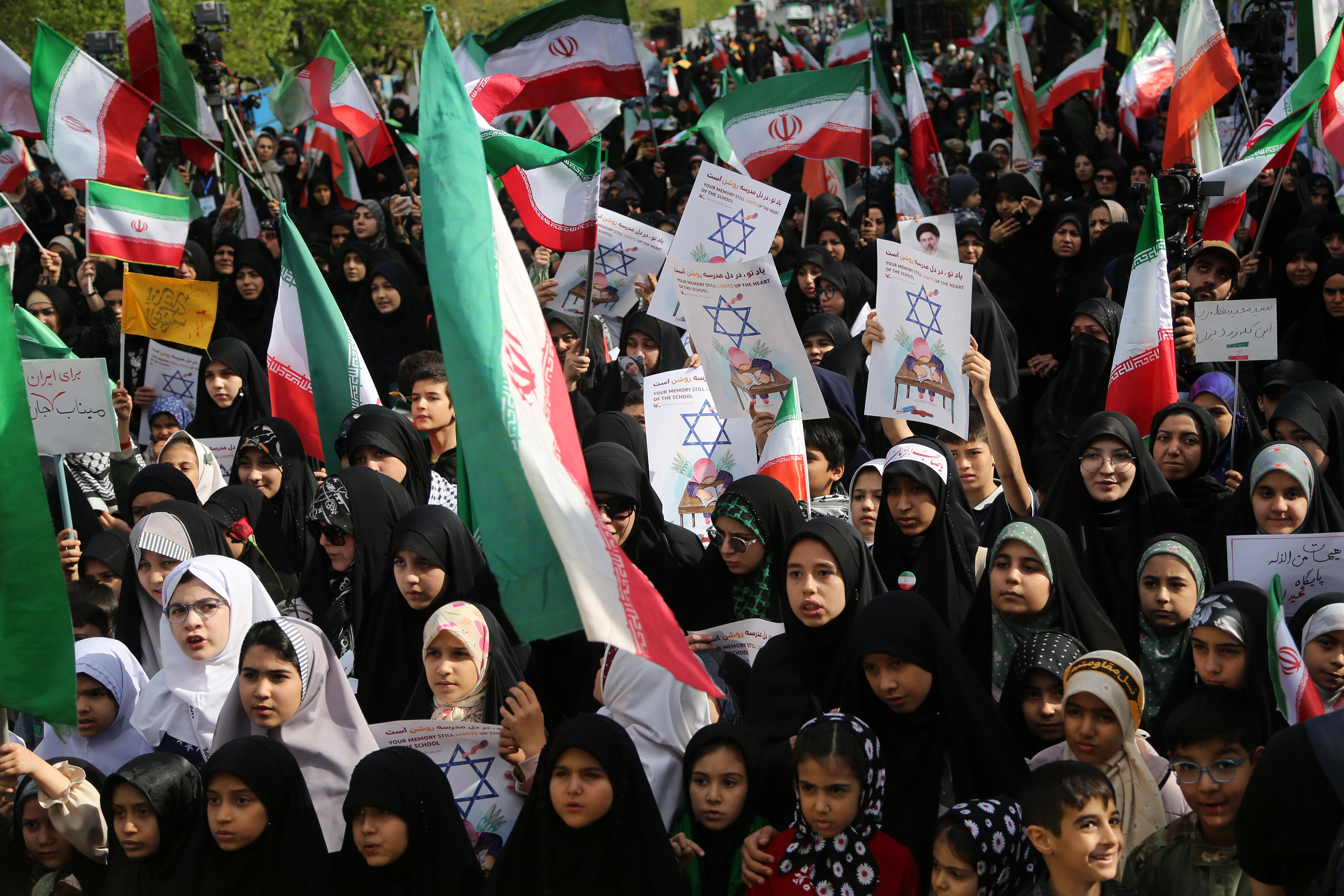
In Tehran, people participated in a march commemorating students killed in US and Israeli attacks on Iran. The participants, primarily women and children, waved Iranian flags and chanted slogans protesting the US and Israel. Elsewhere, residents gathered on White Bridge in Khuzestan province, attempting to protect the structure from bombing.
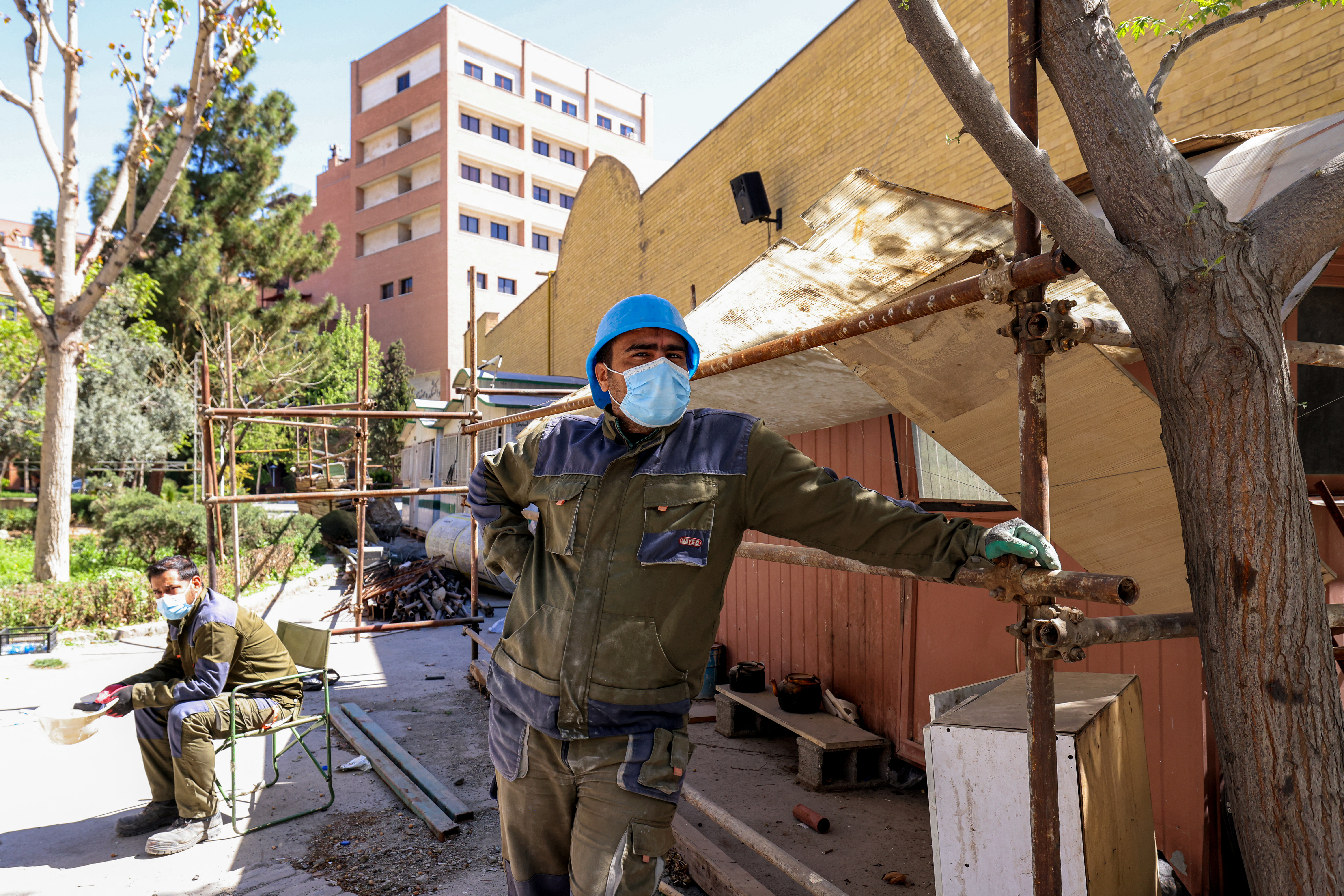 |
A worker stood next to scaffolding near an airstrike site at Sharif University of Technology in Tehran.
 |
 |
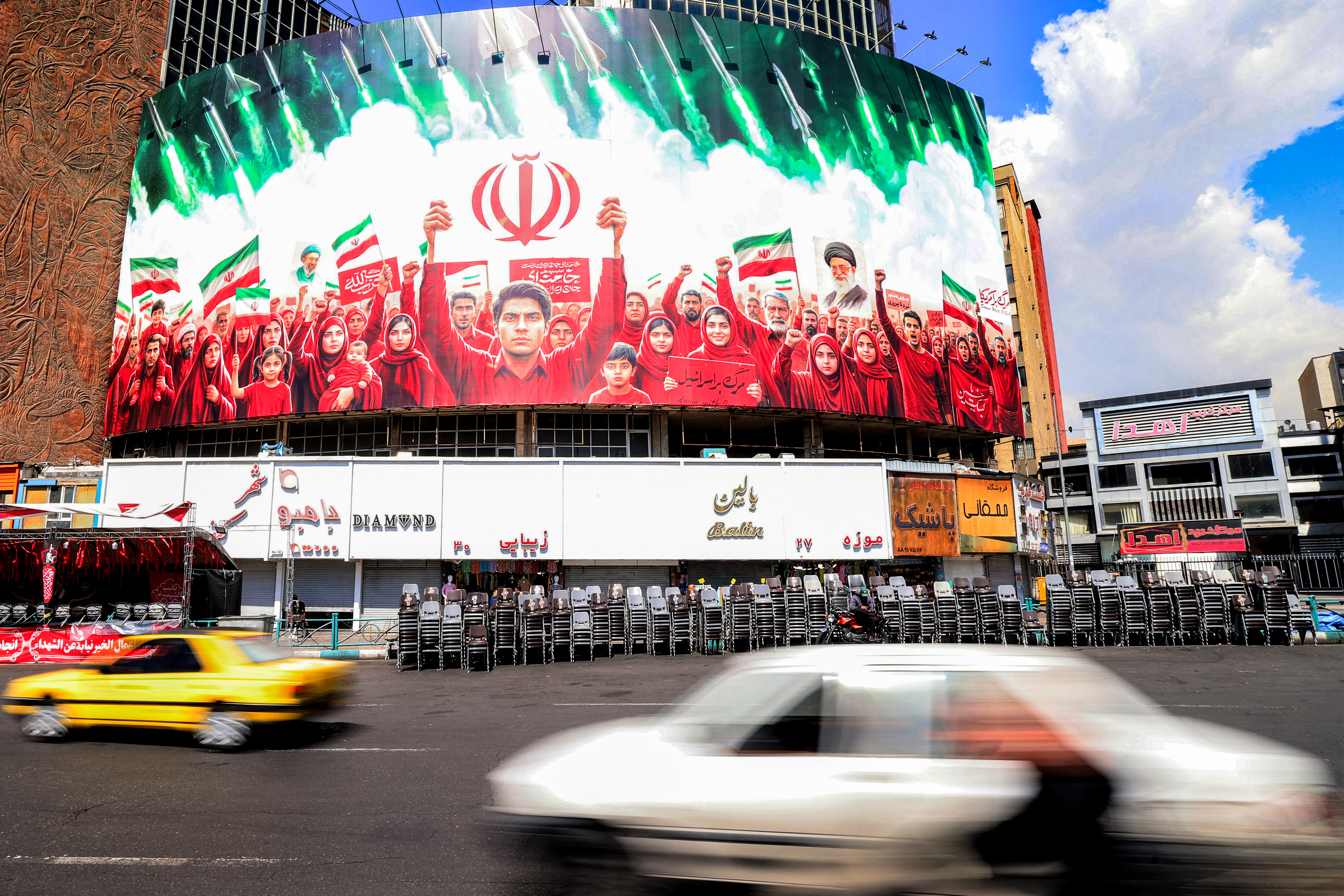 |
Vehicles moved past a large political poster in Valiasr Square in Tehran. The poster depicted missiles launching behind protesters, symbolizing solidarity with the government.
Iranian officials rejected Trump's ultimatum, warning that "any reckless action" by the US would engulf the entire region in flames. The Islamic Revolutionary Guard Corps also stated that if Washington crossed the line, Iran would retaliate beyond the Middle East, causing the US and its allies to lose the region's oil and gas supplies.
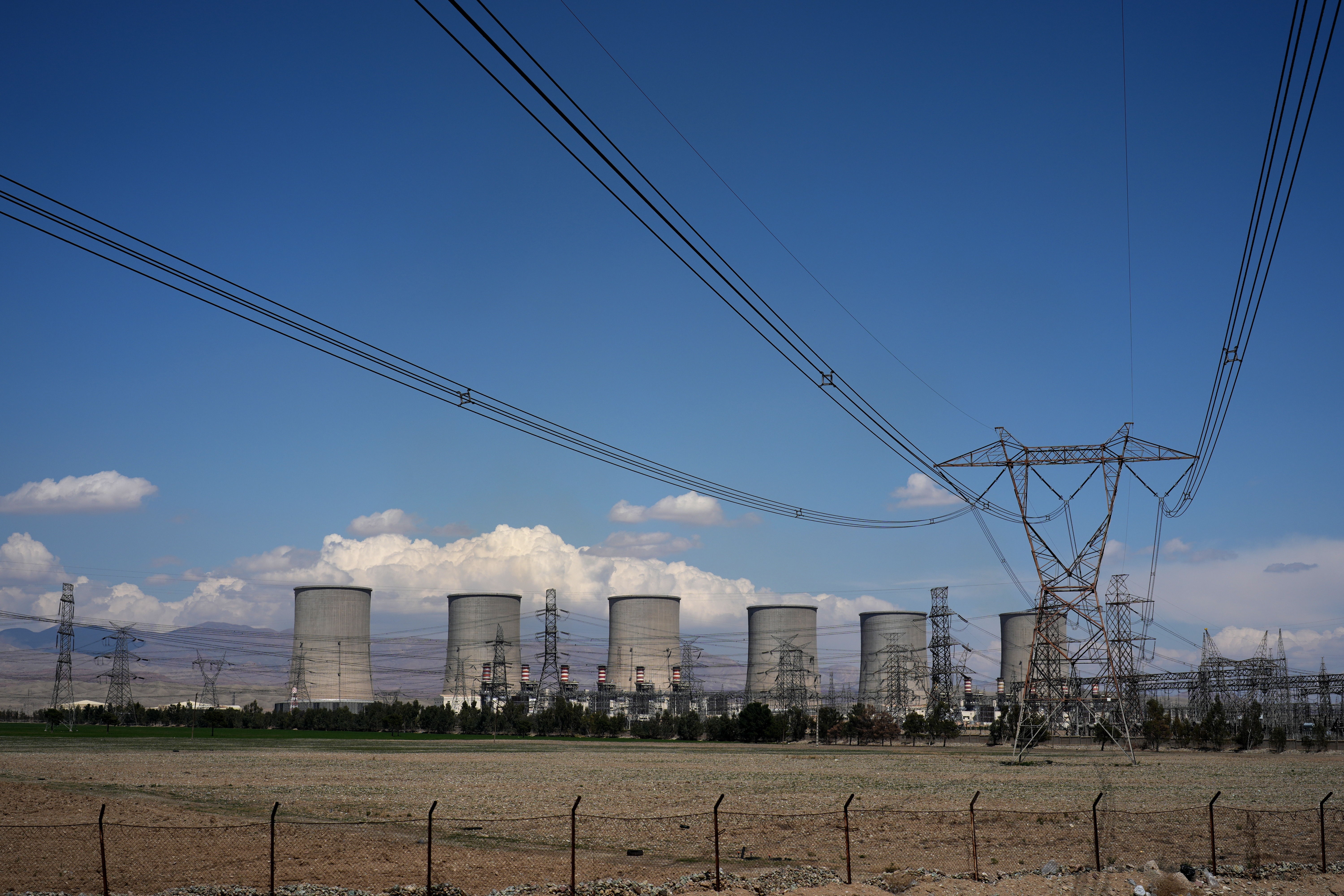 |
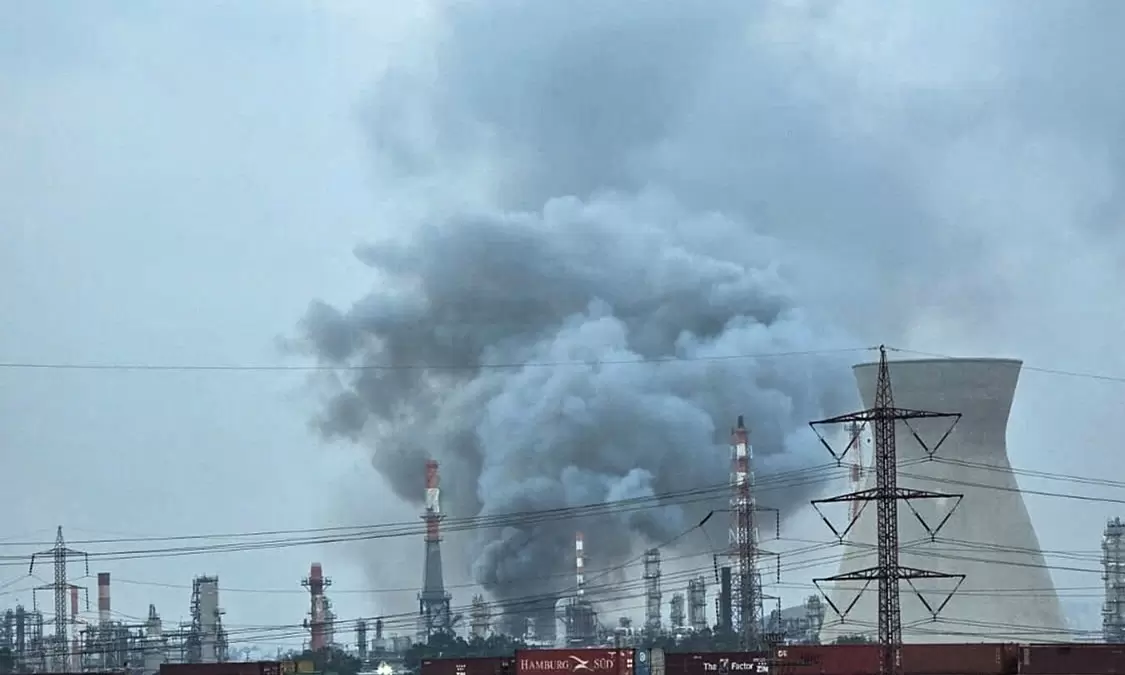
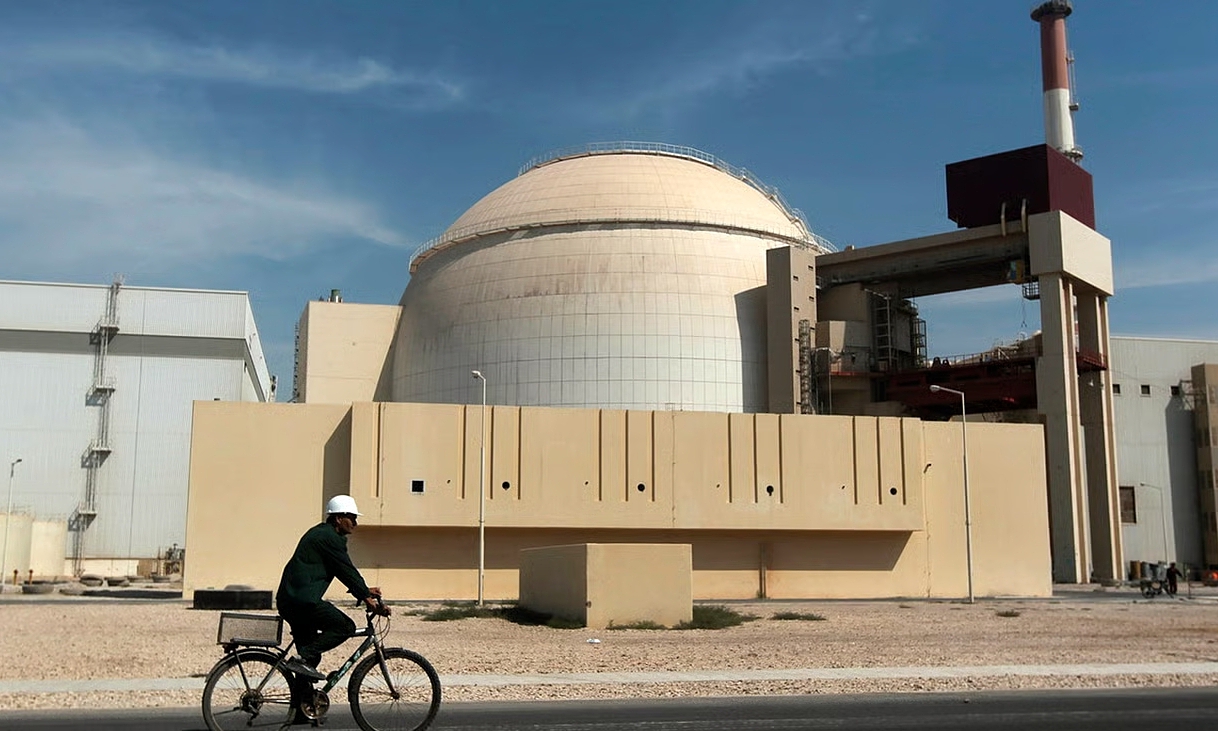
Iran possesses a network of power plants with a total capacity of 78,000 MW, distributed nationwide. The country's largest thermal power facility is the Damavand power plant, with a capacity of approximately 2,900 MW. Also known as the Pakdasht plant, it was built on a 200 ha site, about 50 km east of central Tehran. Construction costs for the plant approached 2 billion USD.
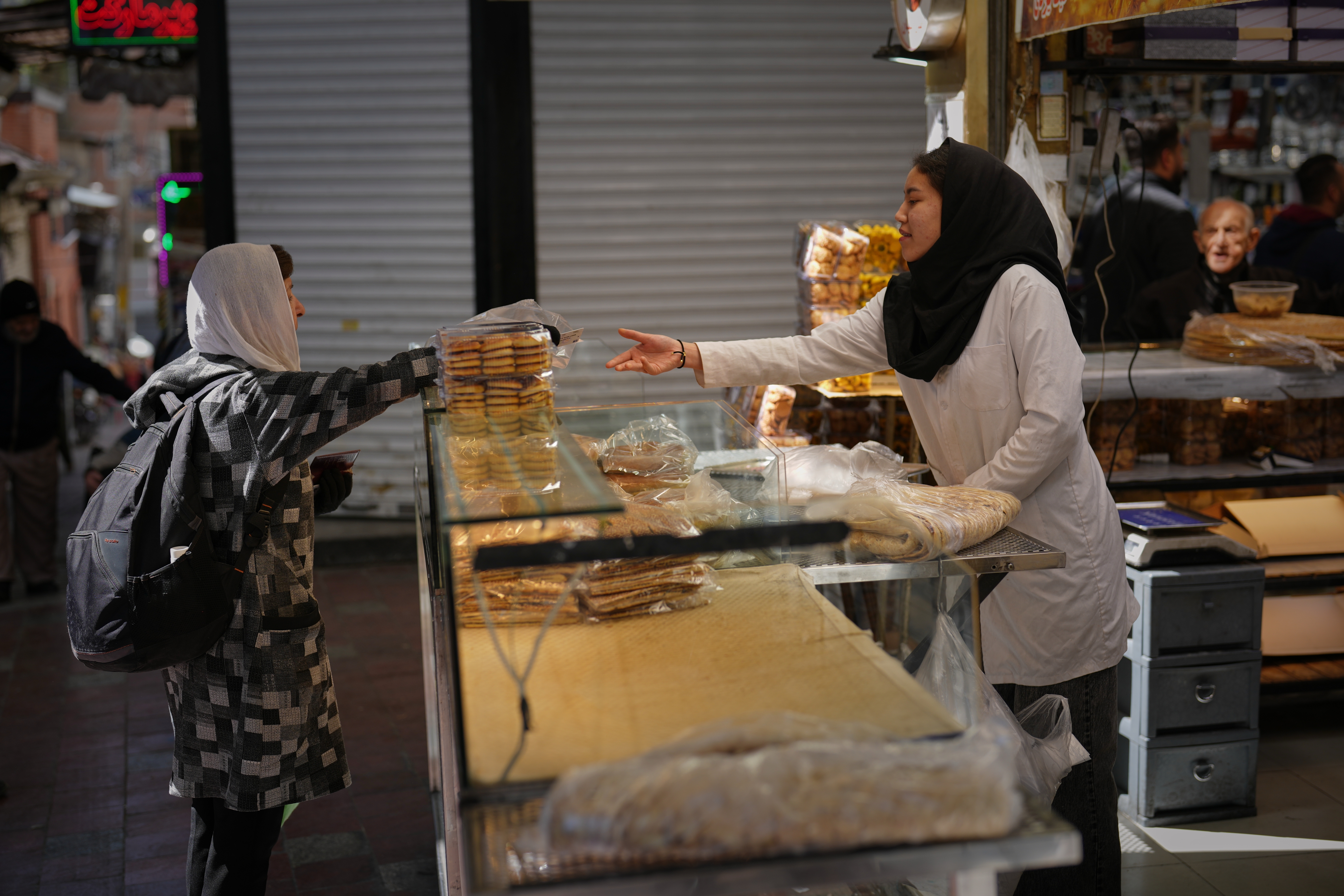 |
A woman bought bread in central Tehran.
Iranians expressed concern about threats to the country's energy system and power infrastructure. Parisa, a 21-year-old student, voiced her fears: "It took so many years and effort to build these things. I fear the country will be set back decades."
Huyen Le (Based on AFP, Reuters, IRNA)