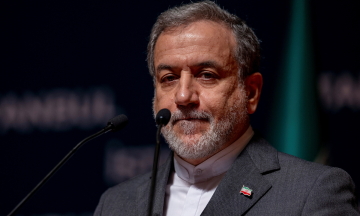
"I call on all youth, artists, athletes, and champions to join the nationwide campaign 'Human Shield of Iranian Youth for a Bright Future'. At 2 p.m. on 7/4, at power plants across the country, regardless of faith or political views, we will join hands to affirm: 'attacking civilian infrastructure is a war crime'," Alireza Rahimi, Iran's Deputy Minister of Youth and Sports, wrote on social media X on 6/4.
According to Rahimi, this initiative aims to demonstrate national solidarity and support for the armed forces against attackers. "It will also be a sign of the youth's commitment to protecting national infrastructure and building a bright future," he added.
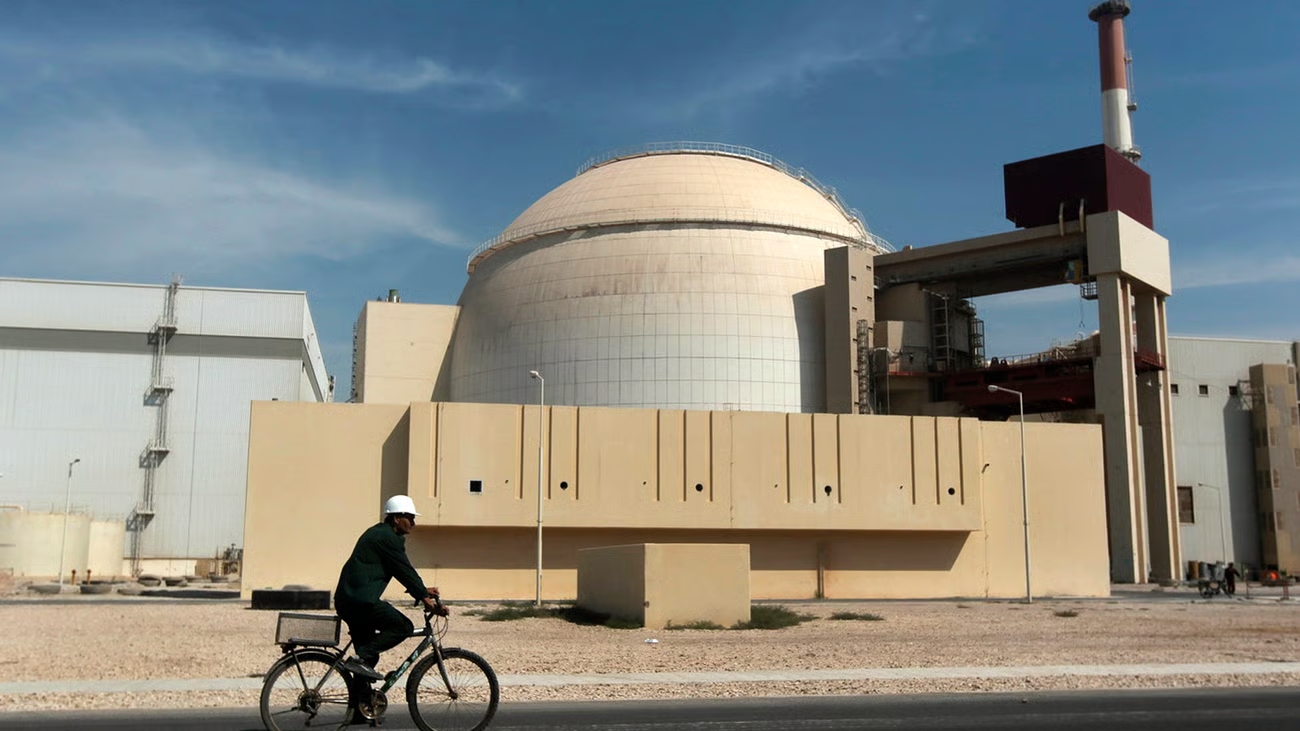 |
Outside Iran's Bushehr nuclear power plant in 2010. *Mehr News Agency*.
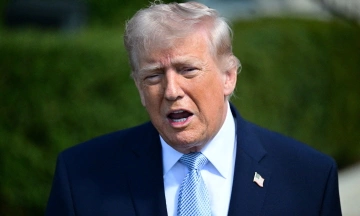
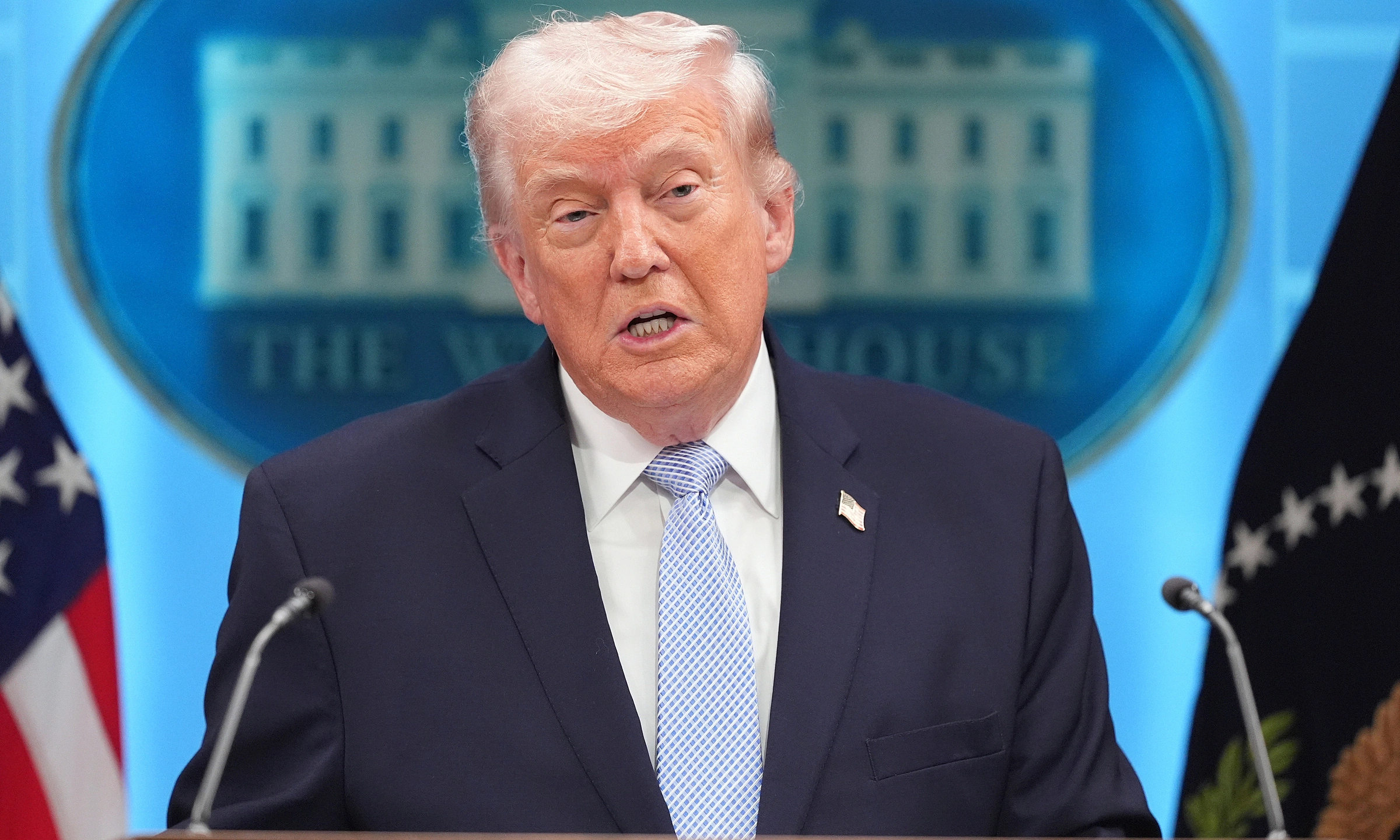
The post appeared after US President Donald Trump on 4/4 gave Iran 48 hours to reach an agreement to reopen the Strait of Hormuz or face the destruction of civilian infrastructure, including bridges and power plants. Trump later extended the deadline to before 8 p.m. on 7/4 (7 a.m. on 8/4 Hanoi time).
Iranian officials rejected the ultimatum, warning that "any reckless action" by the US would plunge the entire region "into a sea of fire".
Iran relies primarily on thermal power plants, which generate over 95% of the electricity supplied to approximately 40.6 million users, including 32.3 million households, according to Iran's Ministry of Energy. Experts believe that attacking Iran's energy infrastructure would have severe consequences for the country.
Meanwhile, Elai Rettig, an assistant professor of energy policy at Bar Ilan University in Israel, stated that Iran's power sector is inherently unstable, so the Islamic Revolutionary Guard Corps (IRGC) has secured backup power through diesel generators and small power plants located near their facilities. "This means widespread power outages are unlikely to prevent this force from continuing operations and launching missiles," Rettig noted.
Addressing concerns that targeting civilian facilities could violate international law, White House Press Secretary Karoline Leavitt affirmed last month that the US military would always act "within the framework of the law". She explained that President Trump was exerting pressure to compel Iran to accept negotiations, while also warning that US military capabilities "far exceed imagination".
Reporting by Huyen Le; Sources: CNN, News.com.au.