An object believed to be the nose cone of an interceptor missile from the terminal high altitude area defense (THAAD) system was found in an open field near Suwayda city, southwestern Syria. A video posted on social media on 6/4, analyzed by U.S. military news site War Zone, shows this component.
The component remains relatively intact, with its nose cap detached, revealing the infrared seeker's window.
Suwayda city is located approximately 40 km north of the Jordan border and nearly 90 km east of Israel. The U.S. appears to be deploying THAAD batteries in both countries to counter ballistic missile attacks from Iran.
U.S. experts warn of the risk of technology leakage if the THAAD missile seeker falls into the hands of Washington's adversaries. Joseph Trevithick, an editor at War Zone, stated, "The intact kill vehicle suggests the missile experienced a malfunction, misfired, or missed its target. It is unclear who is currently holding these components". Trevithick added, "Access to the THAAD missile seeker, as well as the entire kill vehicle, would provide adversaries with insights into its capabilities. This information could then be used to develop new countermeasures, as well as techniques and tactics to degrade interception effectiveness."
THAAD is one of the most advanced missile defense shields in the U.S. military's arsenal. It is also the only U.S. air defense system capable of intercepting short-to-long-range ballistic missiles in their terminal phase, as they descend toward their targets, both within and outside the atmosphere.
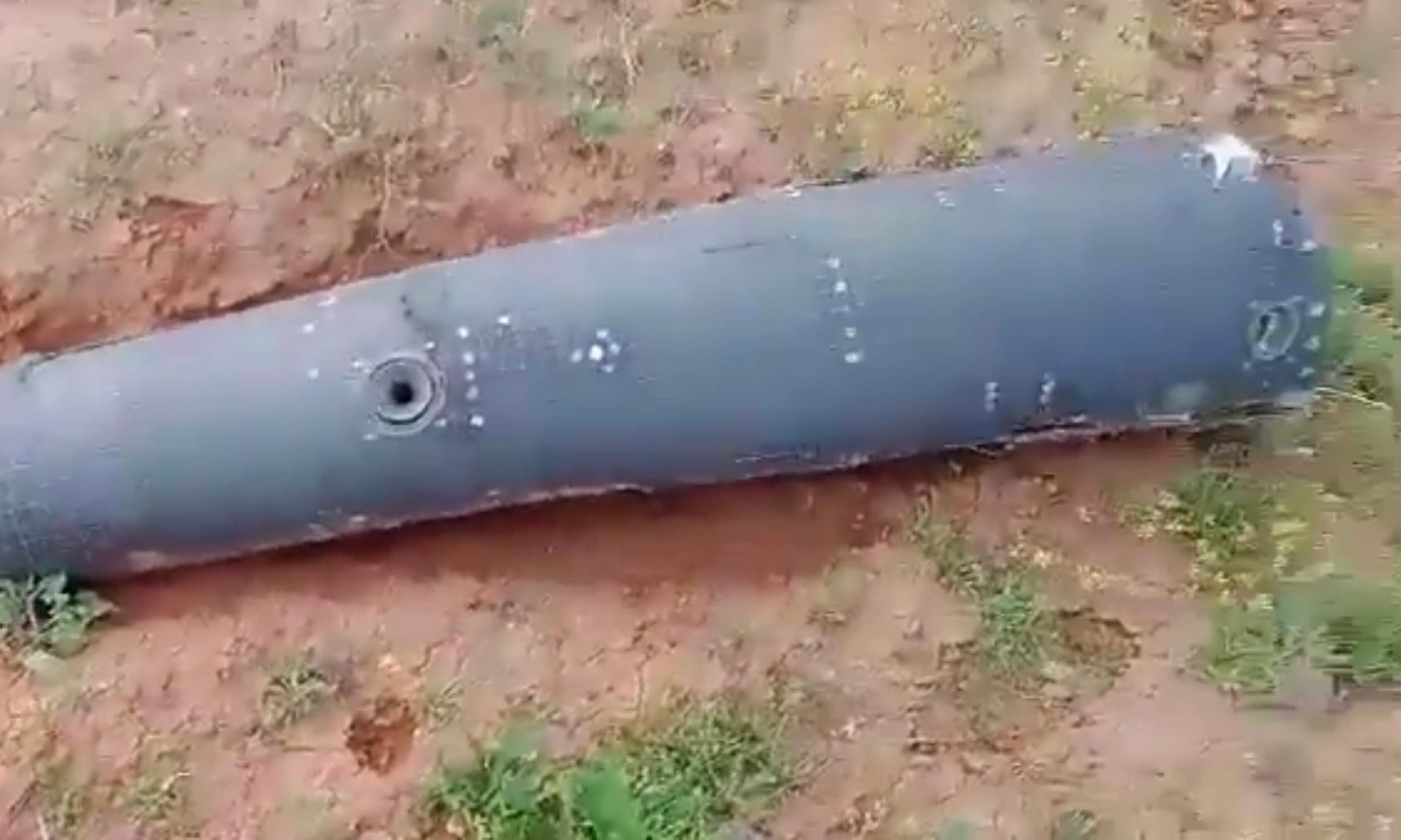 |
An object believed to be THAAD missile debris in Syria, shown in a photo posted on 6/4. *Photo: X/QalaatAlMudiq* |
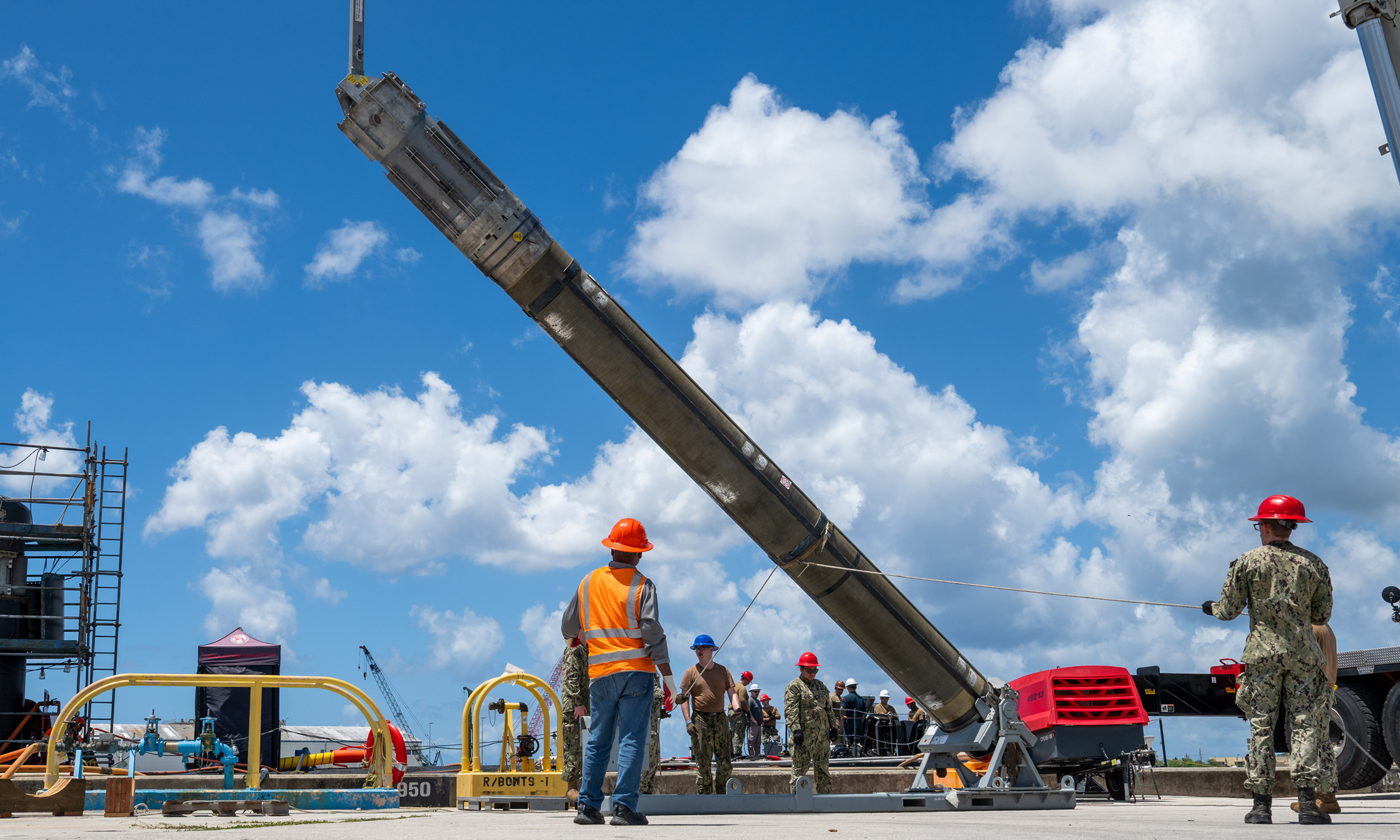
The THAAD interceptor missile has a range of 200 km and an altitude ceiling of 150 km. It is equipped with an infrared sensor to track targets and destroy them through direct collision, without using explosives. After the missile launches and reaches optimal altitude, the combat section, known as the "kill vehicle", separates from the booster stage. The nose cap, which protects the infrared seeker and the rest of the kill vehicle during acceleration, also detaches.
A budget report from the Missile Defense Agency (MDA) under the Pentagon indicates that each THAAD interceptor costs 12-15 million USD, depending on the production batch. A complete THAAD system costs about one billion USD, including a command station, an AN/TPY-2 multi-function radar, technical equipment, and 6 launchers with a total of 48 ready-to-fire interceptors. It typically requires about 100 soldiers to operate.
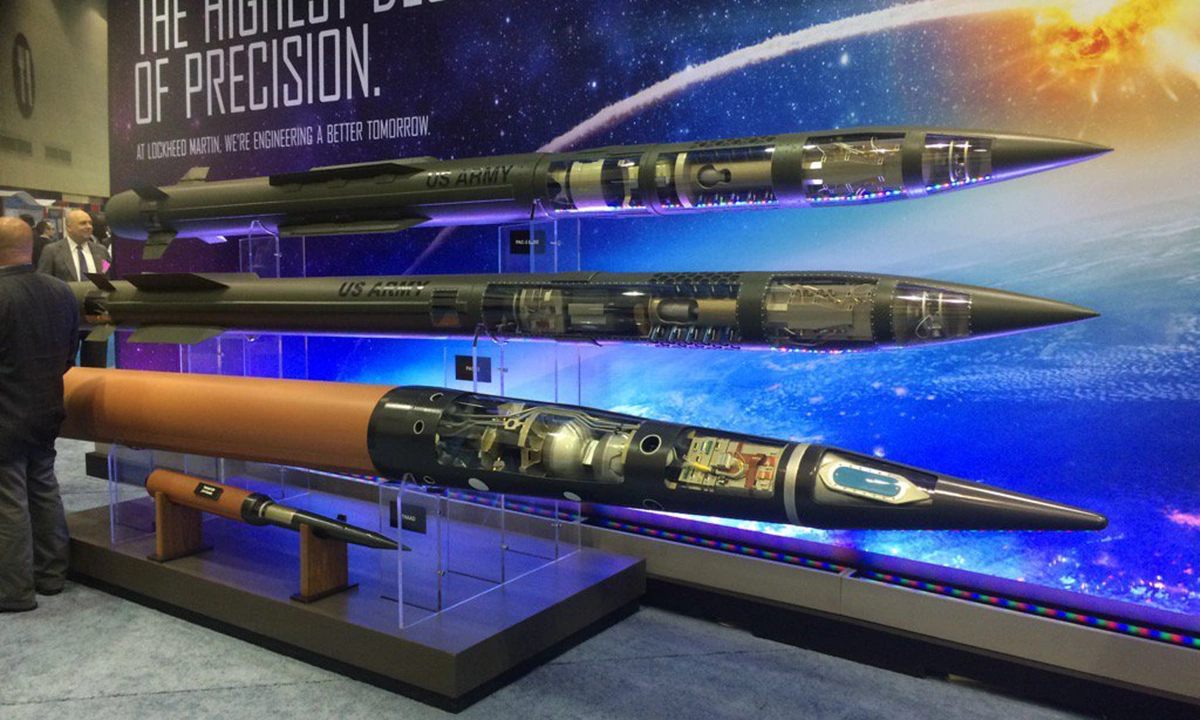 |
A THAAD missile model (third from top) in a photo posted on 6/4. *Photo: X/ArmsControlWonk* |
A number of THAAD batteries belonging to the U.S. and its Middle Eastern allies have faced retaliatory strikes from Iran, with at least two AN/TPY-2 "eye-of-god" radars in Jordan and Arab Saudi completely destroyed. The U.S. supply of THAAD missiles also appears unable to compensate for the rate of attrition in combat, leading to a risk of these systems running out of interceptors if the conflict continues. The Pentagon has not commented on the information.
Pham Giang (According to War Zone)