Tencent, the Chinese tech giant, announced through its anti-corruption investigation department that a manager named Ye from the core WeChat division was fired. The dismissal came after Ye disclosed sensitive company information, causing a significant negative impact both internally and externally.
Chinese media reported on 24/7 that Ye was placed on the company's blacklist and permanently barred from re-employment. This followed his unauthorized distribution of a screenshot showing his year-end bonus totaled 3.17 million yuan (470,000 USD), comprising over 820,000 yuan in cash and more than 2.35 million yuan in stock.
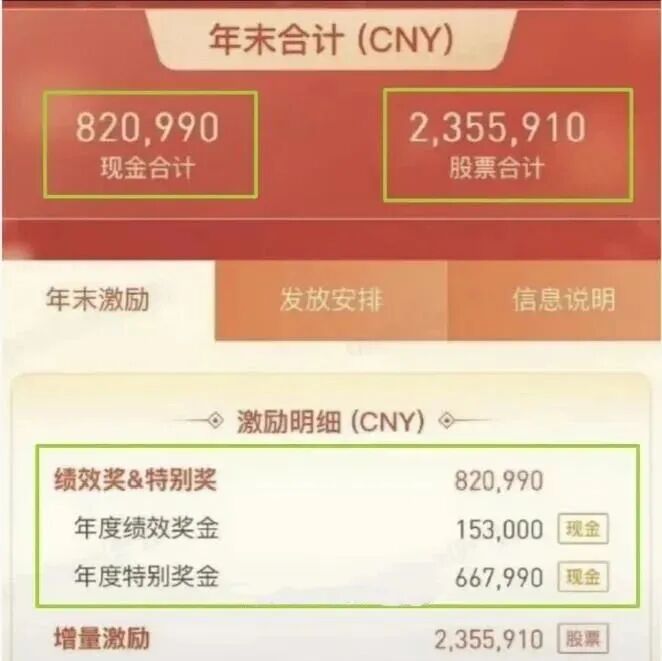 |
Ye's year-end bonus, consisting of cash and stock. Photo: Sina |
Ye had been recognized as an outstanding employee two times in 2025, which explains the substantial bonus. Tencent’s performance evaluation system categorizes employees into three levels: outstanding, good, and underperforming. The outstanding category targets the top 10-20% of high-performing employees within a team, who typically receive annual performance bonuses equivalent to 6 months' salary or more.
In recent years, Tencent has intensified its internal discipline efforts. According to its annual report released in January, the Shenzhen-based company revealed that its internal audit department uncovered over 70 policy violations in 2025. These investigations led to the dismissal of more than 90 employees, with over 20 cases referred to law enforcement for criminal prosecution.
Tencent’s regulations strictly prohibit employees from disclosing sensitive company information, including trade secrets, internal communications, unpublished source code, and employee records.
The incident quickly became a hot topic on social media, attracting over 27 million views.
"With such a high salary and bonus, if he leaves Tencent, where else could he find a job with similar benefits? What was the purpose of sharing a screenshot of his earnings?" one person questioned.
Another commenter stated: "The essence of salary confidentiality and performance evaluation policies is a tool to divide and control employees. Secrecy prevents them from comparing themselves to colleagues, from knowing if they are exploited or undervalued, thereby eliminating the possibility of employees uniting to demand common rights. Performance evaluations turn systemic injustice into individual fault, transforming colleagues from partners into competitors." They added, "I support enacting laws that allow employees to disclose their salaries and bonuses."
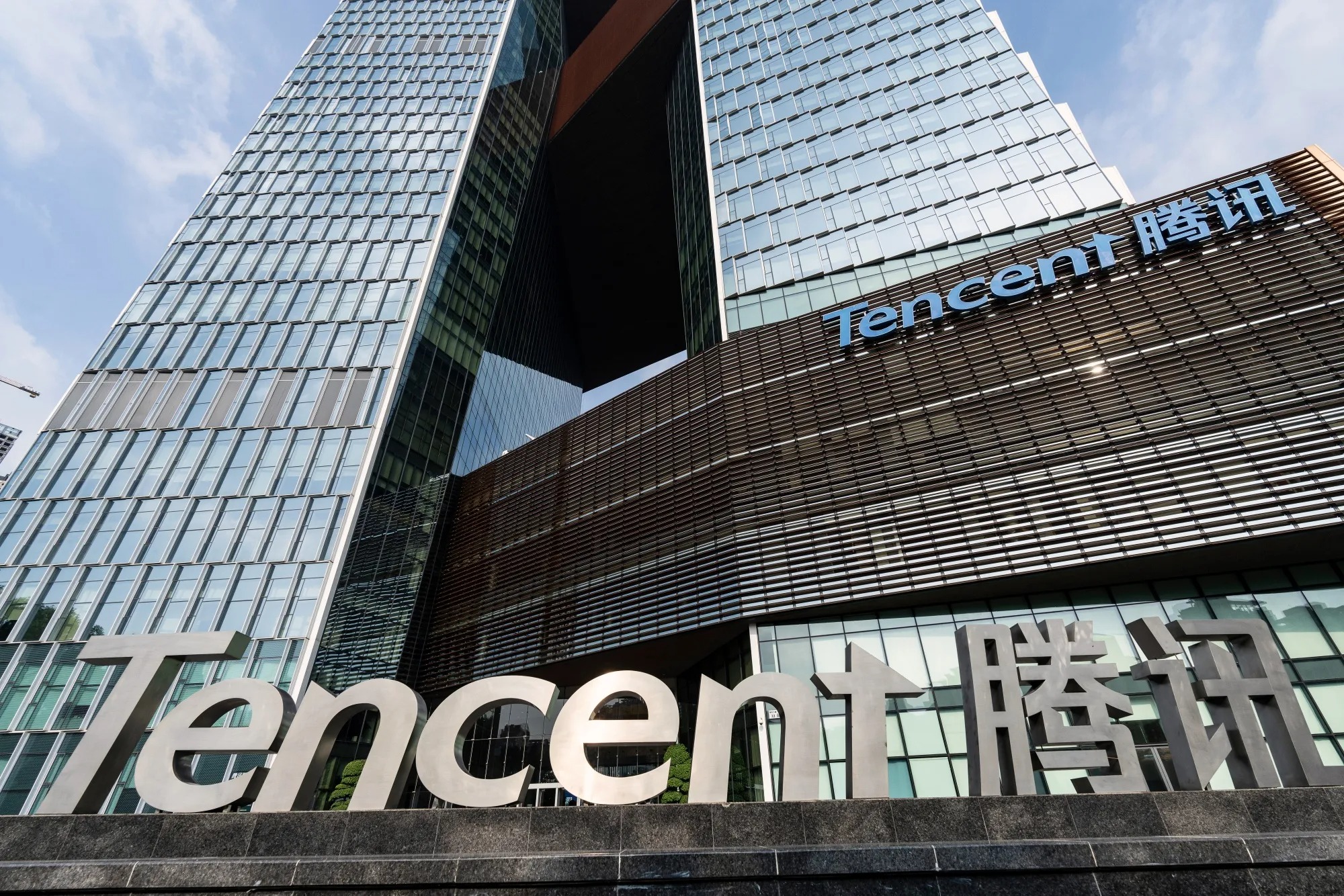 |
Tencent's headquarters in Shenzhen. Photo: Sina |
Li Jian, a lawyer at a Beijing law firm, explained that information regarding salaries, performance data, or compensation policies falls under the category of sensitive internal information. Employees cannot unilaterally make this data public under the pretext of it being "personal income." Intentional or unintentional leaks can result in employees facing liability for damages to the company, penalties for unfair competition violations, and even criminal liability if the action infringes on trade secrets.
However, companies are also not permitted to abuse confidentiality obligations to unreasonably penalize employees. To legally hold someone accountable, a company must establish clear confidentiality regulations through democratic and public processes accessible to all personnel. Additionally, while an internal recruitment blacklist is not forbidden, a company violates the law if it arbitrarily shares this data externally or slanders an employee's reputation when issuing disciplinary announcements.
Hong Hanh (According to SCMP, DWNews, The Paper)