Thai wildlife officials and a veterinary team administered contraceptives to three female elephants in Trat province, southeastern Thailand, earlier this week. Sukhee Boonsang, a senior official at the Wildlife Conservation Office, announced this on 28/1.
The initiative aims to manage the country's growing elephant population. Elephant birth rates in five eastern Thai provinces are increasing by 8% annually, significantly higher than the 3% seen in other regions. Sukhee warned that this trend, if it continues long-term, will exacerbate human-elephant conflicts.
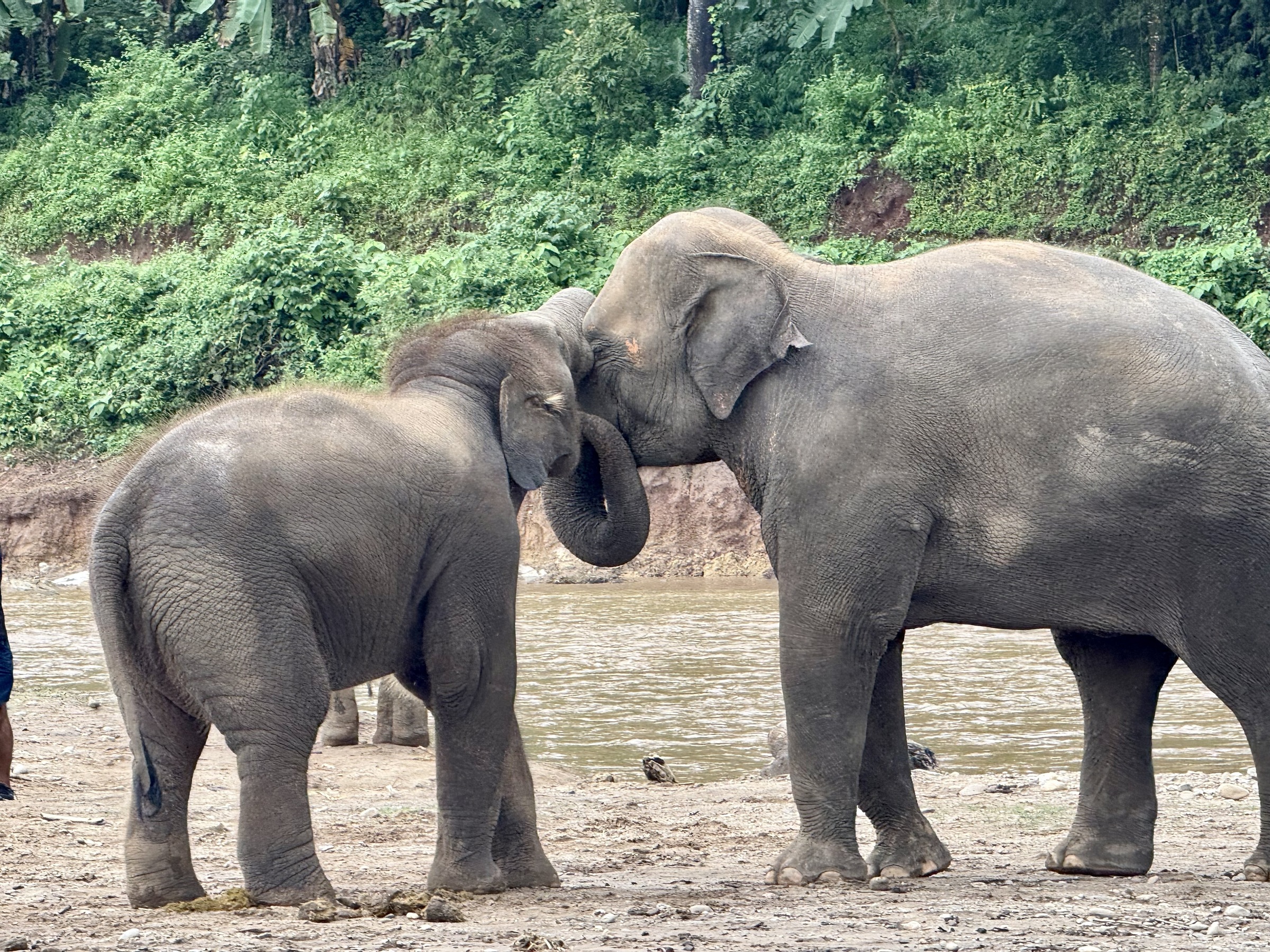 |
Elephants at Elephant Nature Park, Chiang Mai province, northern Thailand. Photo: Reuters |
Officials and veterinarians used dart guns to administer the contraception to the three elephants without anesthesia, according to a statement from the conservation office. The elephants were checked for infection, showed stable health, and engaged in normal activities. They will undergo monitoring and regular blood tests every six months.
This contraceptive method was previously tested on seven captive elephants in Chiang Mai two years ago. Sukhee confirmed that the office plans to administer an additional 15 doses to other elephant herds during this year's rainy season.
Thailand's wild elephant population has grown from 334 in 2015 to nearly 800 in 2025, alongside thousands of captive individuals. Asian elephants, a symbolic animal for Thailand, are globally classified as endangered by the International Union for Conservation of Nature (IUCN).
The increasing elephant population has led to a rise in human-elephant conflicts, causing over 100 elephant deaths and nearly 200 human fatalities since 2012.
Duc Trung (According to AFP, Bangkok Post, AP)