The resolution launching the "International Decade of Culture for Sustainable Development" for the 2027-2036 period was adopted by the 80th session of the United Nations (UN) General Assembly on 4/9, according to the Ministry of Foreign Affairs.
The resolution recognizes culture as an essential component of human development, a source of identity, innovation, and creativity. It also highlights culture's vital role in promoting social cohesion, inclusion, poverty eradication, sustainable economic growth, and active public participation in the development process.
From a sustainable development perspective, the resolution emphasizes culture's power in generating income, sustainable employment, and a vibrant economic sector. It also promotes the value of cultural heritage and the cultural and creative industries, while contributing innovative solutions to interdisciplinary issues such as education, health, gender equality, women's empowerment, technology, and the environment.
The UN General Assembly further reaffirmed the need to effectively integrate culture into economic, social, and environmental development policies and strategies, alongside ensuring appropriate public investment for cultural protection and promotion.
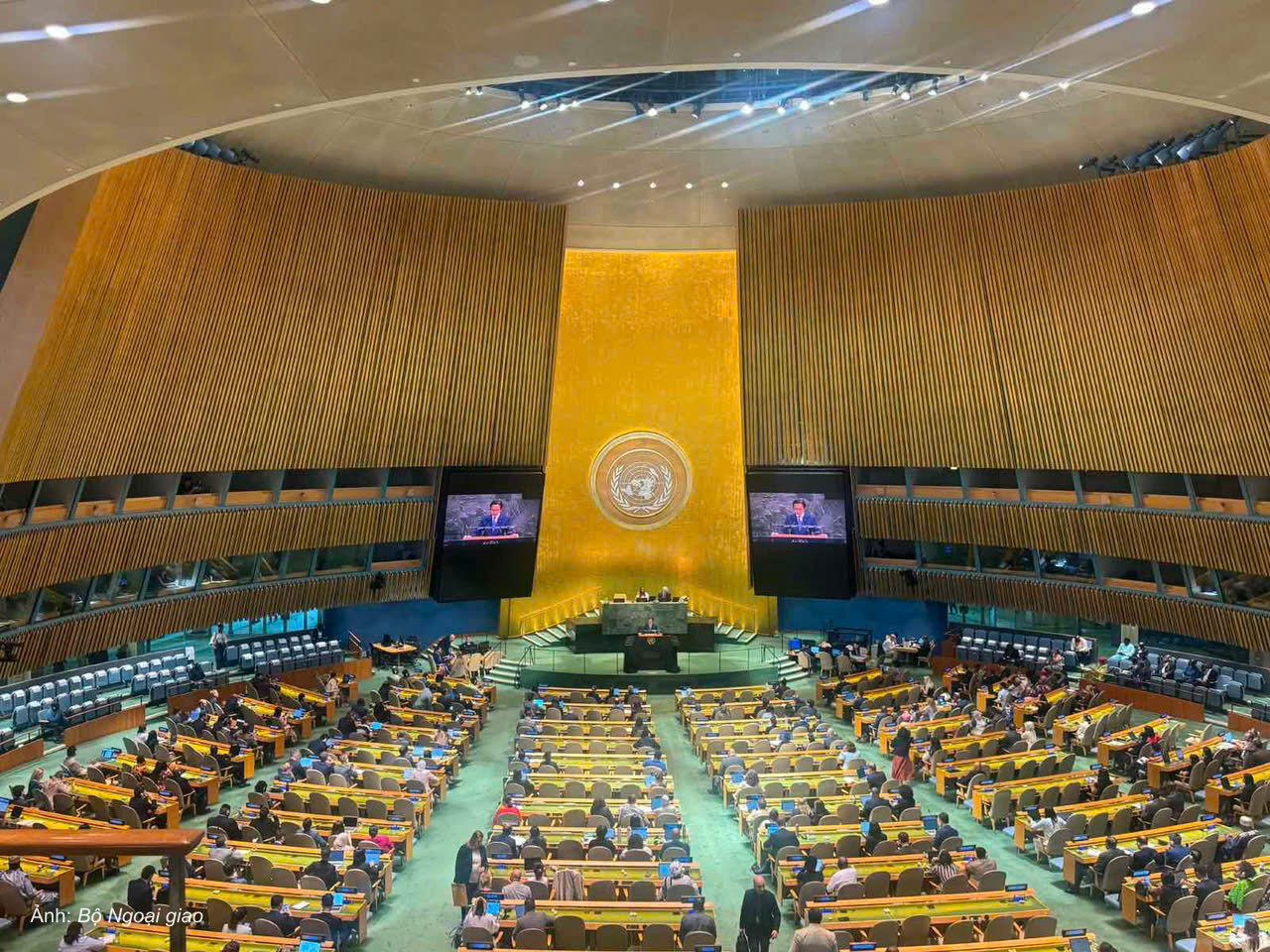 |
The 80th session of the United Nations General Assembly at its headquarters in New York, United States on 4/9. *Photo: Vietnam Permanent Mission to the UN* |
The Decade aims to fundamentally transform awareness and actions regarding culture's role at all levels. It seeks to mobilize resources and increase investment in heritage education, cultural and artistic education, cultural industries, and the creative economy, linking these with sustainable livelihoods.
The initiative also encourages enhanced equitable access to culture, intercultural dialogue, digital cultural development, and the application of cultural knowledge in adapting to climate change and protecting the environment. This will contribute to an inclusive, sustainable, and prosperous future for all people.
The initiative is the result of Vietnam's active preparation, consultation, and advocacy efforts at UNESCO and the UN.
During the UNESCO phase, Vietnam's proposal garnered co-authorship and support from 72 member states. UNESCO Director-General Khaled El-Enany sent a letter to the UN Secretary-General, requesting support for the initiative's adoption. In the UN phase, by the time of its adoption, the resolution was co-sponsored by Vietnam and 102 other countries from diverse geographical regions and developmental levels.
The initiative's widespread co-authorship and support at UNESCO, followed by broad co-sponsorship at the UN, demonstrates that culture for sustainable development aligns with the common interests of the international community.
This also underscores Vietnam's proactive role, prestige, and influence in contributing initiatives at multilateral forums, as well as the effectiveness of its active exchange, consultation, and advocacy process in building international consensus and garnering support.
The adoption of this initiative holds special significance for Vietnam. It is the largest-scale initiative launched by Vietnam at UNESCO after many years of involvement with the organization. It further reinforces Vietnam's independent, self-reliant, multilateral, and diversified foreign policy, as well as its commitment to elevating multilateral diplomacy.
This success indicates that Vietnam is not only an active and responsible member of the international community but also actively participates in shaping agendas and contributing practical ideas for the common good of humanity.
Thanh Tam