"I have seen headlines claiming 'the US is stealing Venezuela's oil'. That is completely untrue," US Energy Secretary Chris Wright said on 2/9, stressing that "Venezuela's oil truly belongs to the Venezuelan people."
Wright explained that while private US companies invest capital to extract oil, all benefits, including revenue from extraction rights and taxes, go to the Venezuelan government and its people.
"All we do is utilize a resource lying dormant underground, which has not yet benefited the Venezuelan people, and inject capital and technology to extract it," the US secretary said.
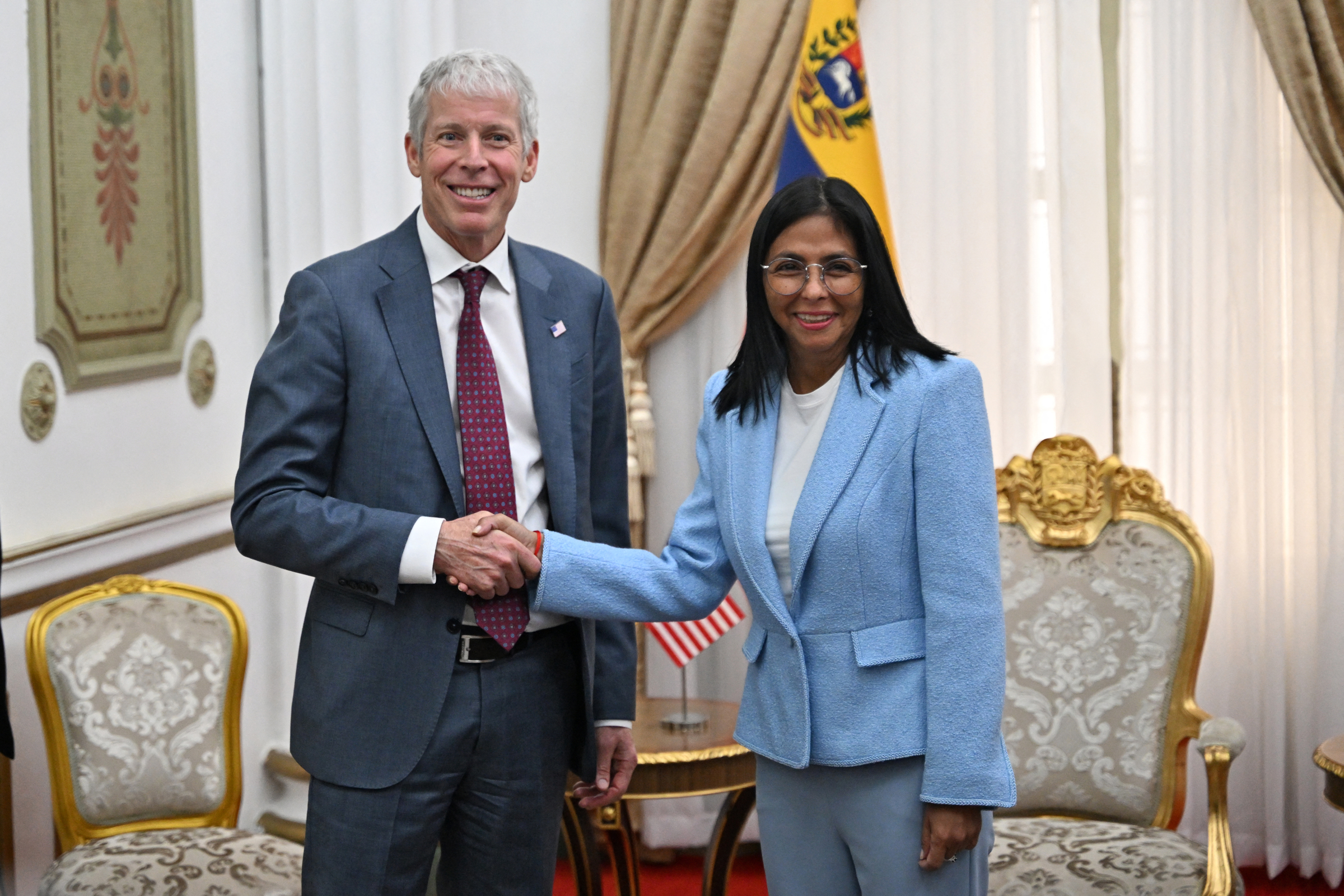 |
US Energy Secretary Chris Wright (left) and interim President of Venezuela Delcy Rodriguez in Caracas on 11/2. *Photo: AFP*
Wright also highlighted the importance of improving Venezuela's electricity sector, given that much of the country experiences daily power outages lasting hours. He added that the oil and gas industry also requires electricity to operate.
"Both are needed," he said, expressing optimism that Venezuela's existing electricity infrastructure could be restored within a five-year plan.
The US expects to gain majority control over more than 65 billion barrels of oil, representing nearly 20% of Venezuela's reserves. Caracas anticipates earning 209 billion USD over 25 years from this agreement.
US President Donald Trump described the agreement as "the largest oil deal in world history." Previously, Trump had rejected calls for elections in Venezuela, stating the nation was "not ready." He also praised the "very good" relationship with the current Venezuelan government.
Interim President of Venezuela Delcy Rodriguez echoed Trump's stance, stating that elections would occur only when "Venezuela is ready."
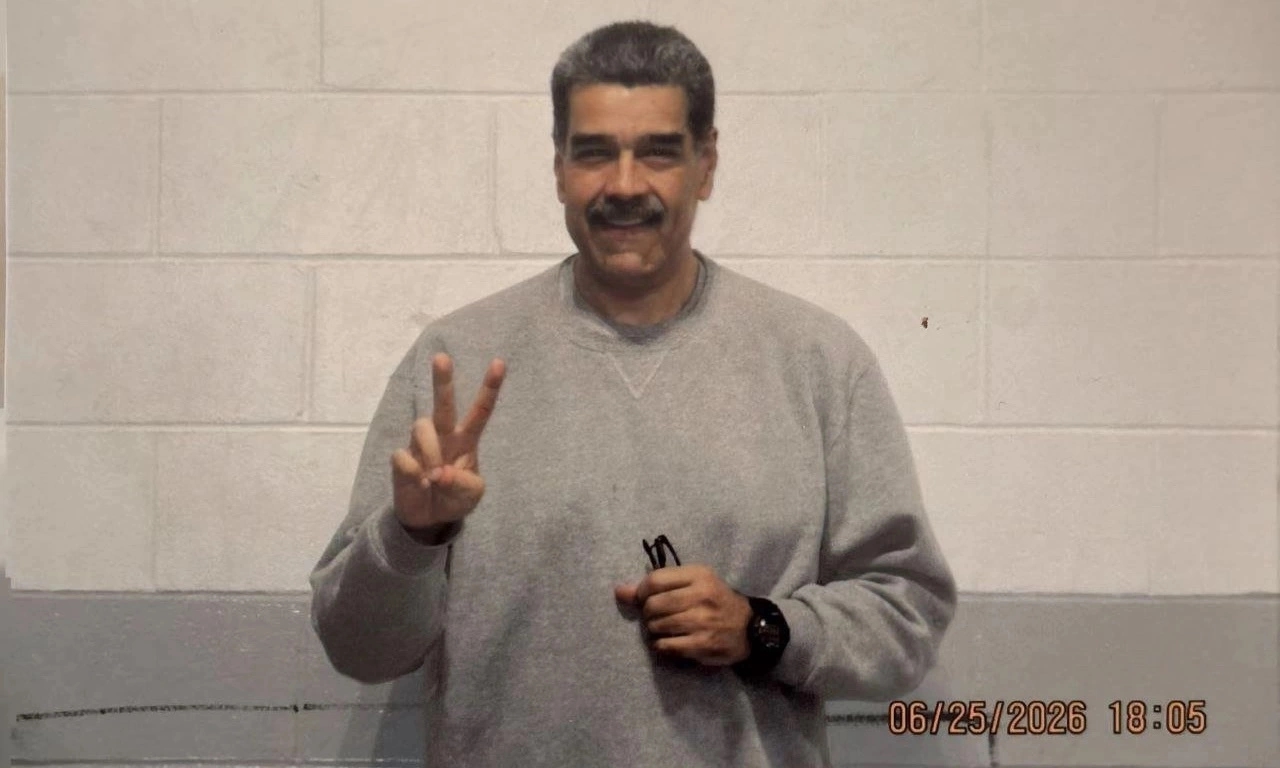 |
Venezuelan President Nicolas Maduro at a detention center on 25/6. *Photo: X/NicolasMaduro*
The US conducted a raid on the capital, Caracas, in early January, arresting Nicolas Maduro on drug-related charges. The Venezuelan president denied the allegations, and his trial is scheduled to begin on 1/6/2027 if efforts to dismiss the case fail.
Immunity from foreign prosecution for a sitting head of state is a long-standing principle in international law, considered a cornerstone of diplomacy. However, legal experts suggest Maduro is unlikely to achieve this, as Washington has not recognized him as Venezuela's president since 2019.
By Ngoc Anh (based on AFP, Reuters reports)