Reuters reported on 28/5, citing four informed sources, that the proposed agreement includes a 60-day ceasefire extension and the lifting of restrictions on transport through the Strait of Hormuz. These measures aim to provide a window for negotiators to address difficult issues, such as Tehran's nuclear program. Under the terms, the US would also halt its naval blockade and lift some sanctions on Iran. Additionally, Axios reported that the memorandum requires Iran to remove all naval mines within 30 days. However, US President Donald Trump has not yet approved the agreement, according to the sources. Other major news agencies, including AFP, AP, and CNN, have published similar reports.
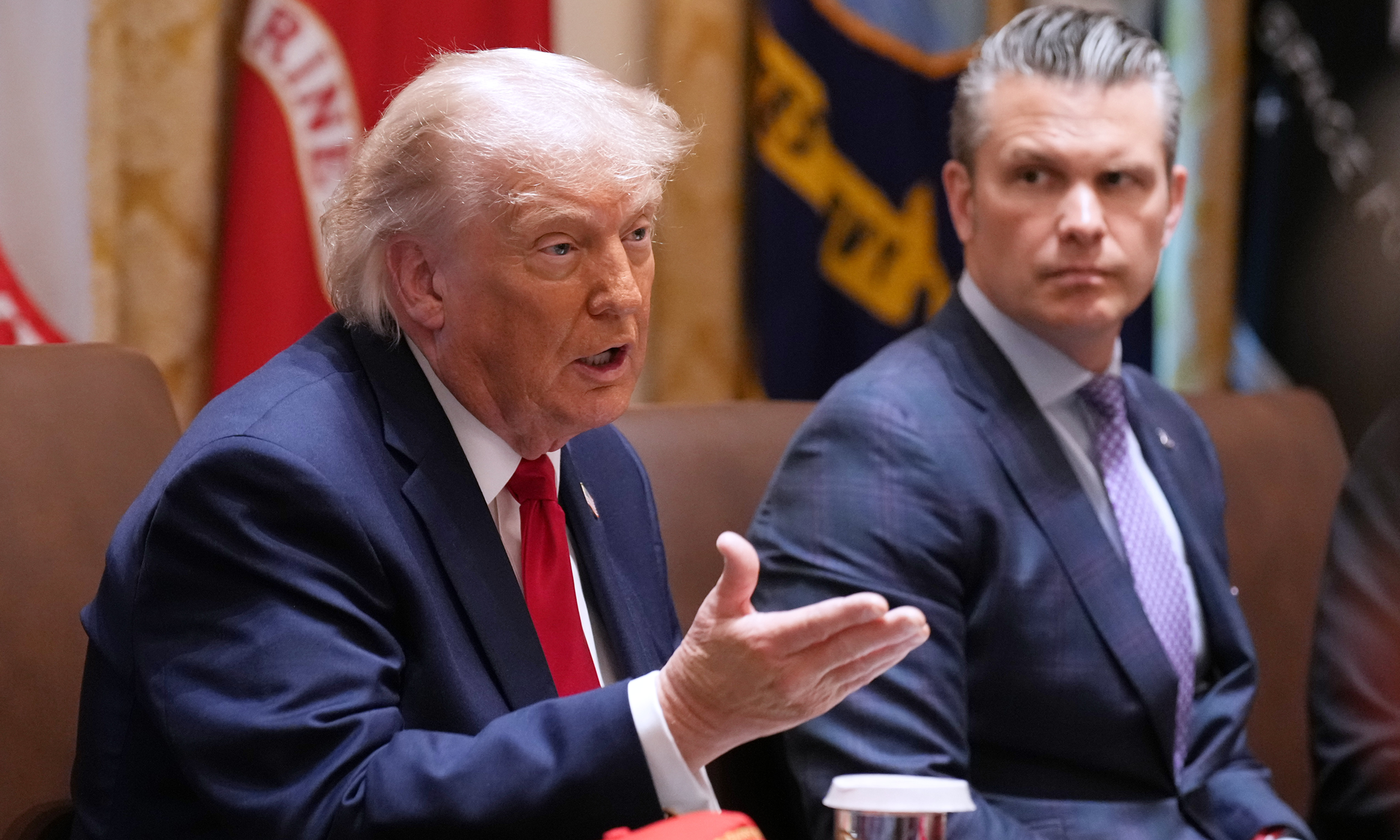 |
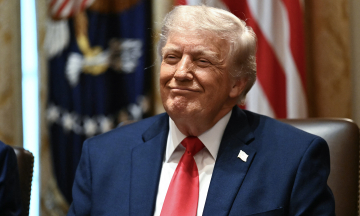
US President Donald Trump speaks at a cabinet meeting at the White House on 27/5. *AP* |
If approved by the leaders of both countries, this agreement would mark the biggest step towards peace since the Middle East conflict erupted on 28/2.
US Vice President JD Vance confirmed ongoing discussions, stating, "It's difficult to say exactly when, or if, the US President will sign the memorandum. We are going back and forth on a few wording issues." Vance acknowledged that while progress has been made, some key points regarding Iran's nuclear program remain unresolved.
"There are a few issues, such as the stockpile of highly enriched uranium and uranium enrichment activities," Vance explained. "We are in discussions with Iran and believe they are negotiating in good faith, at least for now. We hope to continue making progress and that the President will be in a position to approve the agreement, but obviously, that has not been decided yet." Vance added that there is "no guarantee" such an agreement will be reached, but expressed optimism about the prospect.
At a White House press conference the same day, US Secretary of the Treasury Scott Bessent declined to confirm details of the preliminary agreement reportedly reached with Iran. Nevertheless, Bessent emphasized that any deal must meet President Trump's demands: Iran must surrender its highly enriched uranium stockpile, commit to not pursuing nuclear weapons, and reopen the Strait of Hormuz.
Conversely, Iran's Tasnim news agency, citing a source close to the negotiating team, stated that the agreement's content has not yet been finalized or confirmed.
Since mid-March, President Trump has repeatedly stated that the conflict is nearing an end, despite a lack of public moves from either side indicating an imminent agreement. Iran has consistently called for the lifting of sanctions, the release of frozen assets abroad, and the withdrawal of US troops from the region. Washington, in turn, has urged Tehran to end its nuclear program, though Iran maintains the program is for peaceful purposes.
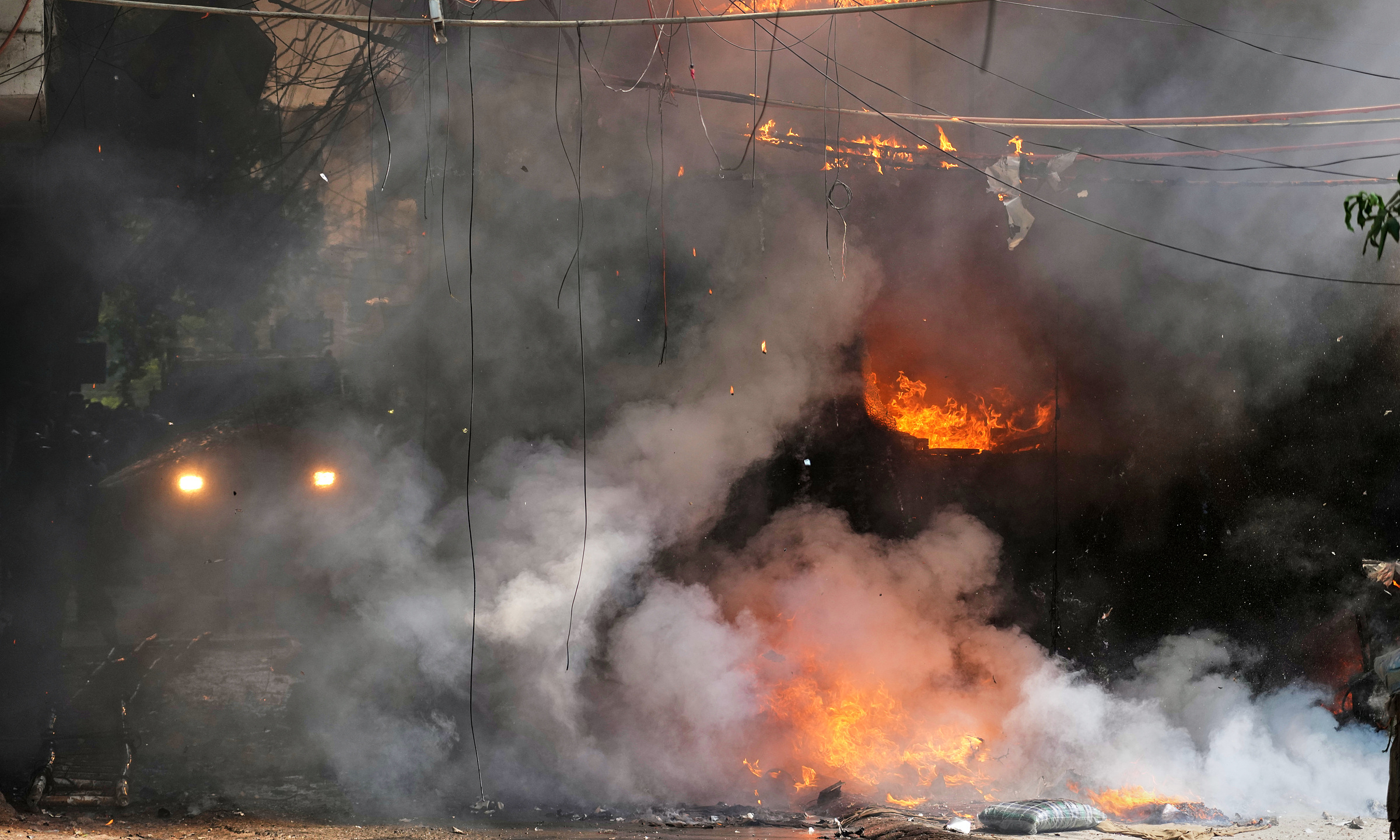
Further complicating matters, Iran has stated that any peace agreement must include a provision for ending Israeli attacks in Lebanon. However, fighting in the region shows no sign of de-escalating. Israel claimed to have targeted Hezbollah infrastructure in the southern city of Tyre, as well as striking the capital Beirut. On 28/5, the US and Iran also accused each other of violating the ceasefire, with Tehran launching missiles at an opposing base in the region in retaliation for Washington's strike on the city of Bandar Abbas.