During a press briefing on the Middle East conflict on 19/3, US Joint Chiefs of Staff Chairman Dan Caine announced that A-10 attack aircraft squadrons have "begun combat operations and are hunting fast attack craft in the Hormuz Strait".
Analysts suggest these A-10s are stationed at Muwaffaq Salti Air Base in Jordan and Al Dhafra Air Base in the United Arab Emirates (UAE). They could also disperse to forward airfields to mitigate attack risks and ensure operations close to the Hormuz Strait.
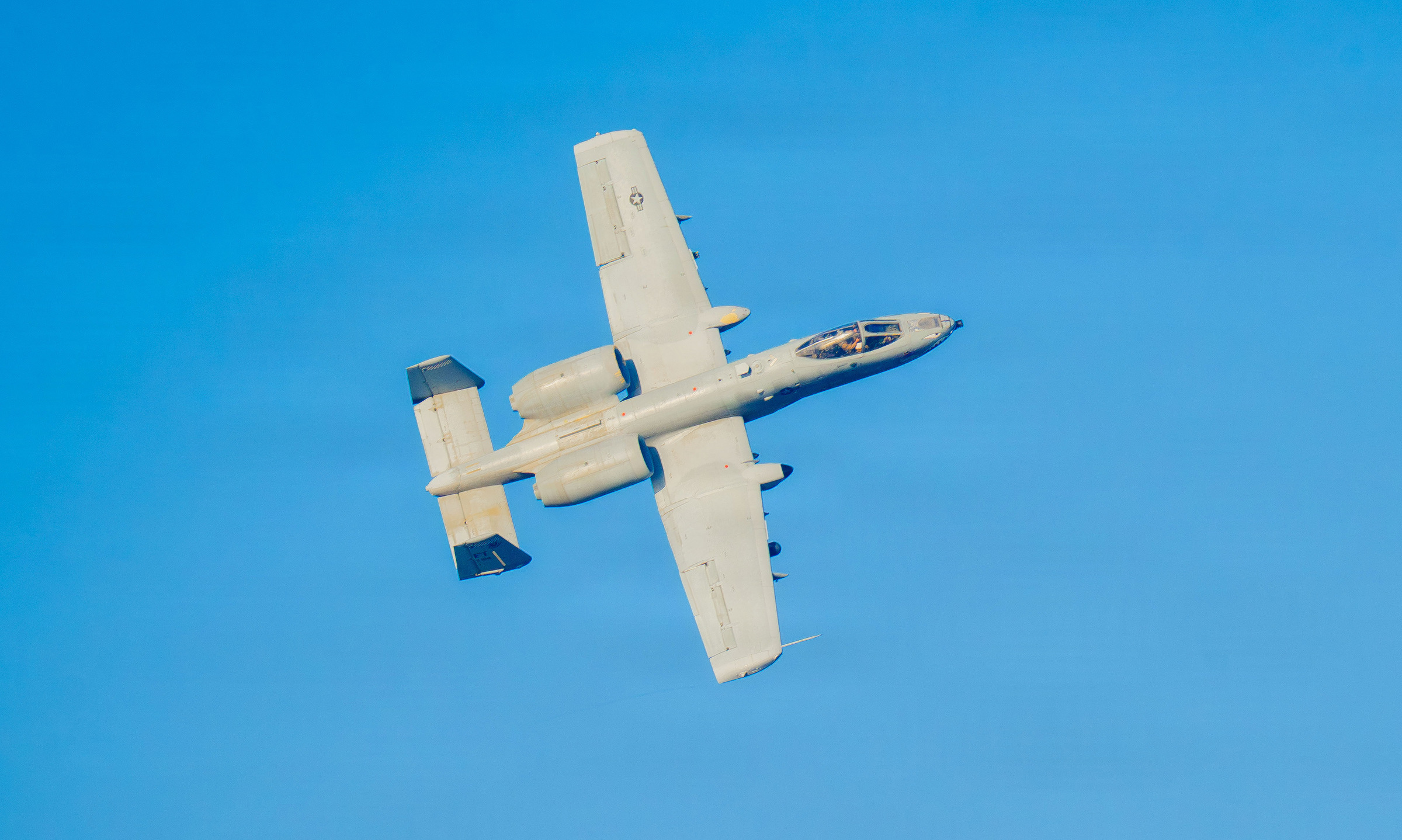 |
US A-10 attack aircraft training in the Middle East in early February. *Photo: US Navy* |
General Caine added that US forces have flown deeper into eastern Iranian airspace to attack unmanned aerial vehicle (UAV) deployment bases.
"US Apache helicopters have engaged on the southern flank, alongside allied-operated squadrons, to counter Iranian suicide UAVs. They have also attacked pro-Iran militia groups in Iraq to neutralize threats against US forces", he said.
The A-10 attack aircraft was developed by Fairchild Republic in the early 1960s to replace the A-1 Skyraider series. It entered mass production in 1972 and was commissioned into the US Air Force in 1977.
This aircraft was specifically built for close air support missions for ground troops, prioritizing the ability to attack enemy tanks, armored vehicles, and ground forces, earning it the moniker "tank-killer". A-10s can also serve as forward air traffic control stations, coordinating other fighter jets to strike ground targets.
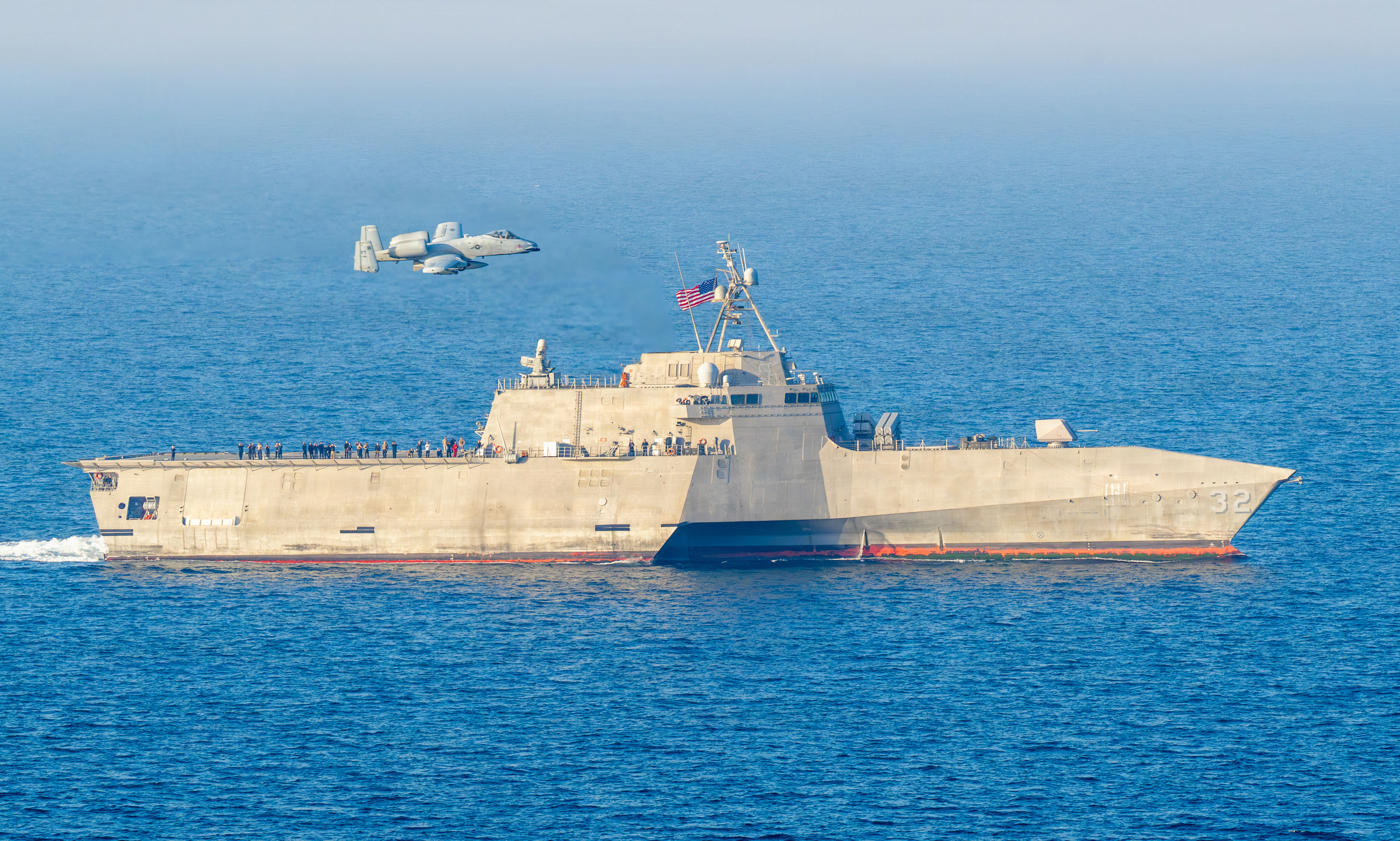 |
A-10 attack aircraft training with the USS Santa Barbara warship in the Middle East in February. *Photo: US Navy* |
The A-10's main weapon is the GAU-8 30 mm Gatling gun with seven barrels, a maximum firing rate of 3,900 rounds per minute, and an effective range of 1,200 meters. Each aircraft is also equipped with 11 weapon pylons, carrying a total payload of nearly 7,3 tons, including weapons and external fuel tanks. The A-10C variant can deploy various high-precision guided bombs, rockets, and missiles, along with AIM-9 Sidewinder missiles for self-defense.
The A-10's strengths include its durability and high survivability. The pilot is protected by a titanium "bathtub" cockpit, capable of withstanding 23 mm cannon rounds. The aircraft's engines are positioned on the horizontal and within the vertical stabilizers, preventing them from ingesting debris from austere runways and partially reducing their heat signature against infrared seeker man-portable air-defense systems (MANPADS).
However, the A-10 also has weaknesses such as slow speed, poor maneuverability, and a lack of advanced jamming and targeting systems. This means they can only fully leverage their advantages when the US Air Force has complete air superiority, with no threats from enemy fighter jets or air defense missile systems.
The US military is seeking to retire its entire fleet of approximately 160-200 A-10 attack aircraft by fiscal year 2026, two years ahead of the original schedule, despite their continued use in combat. The A-10's close air support role will subsequently be assigned to F-35A stealth fighters and bombers.
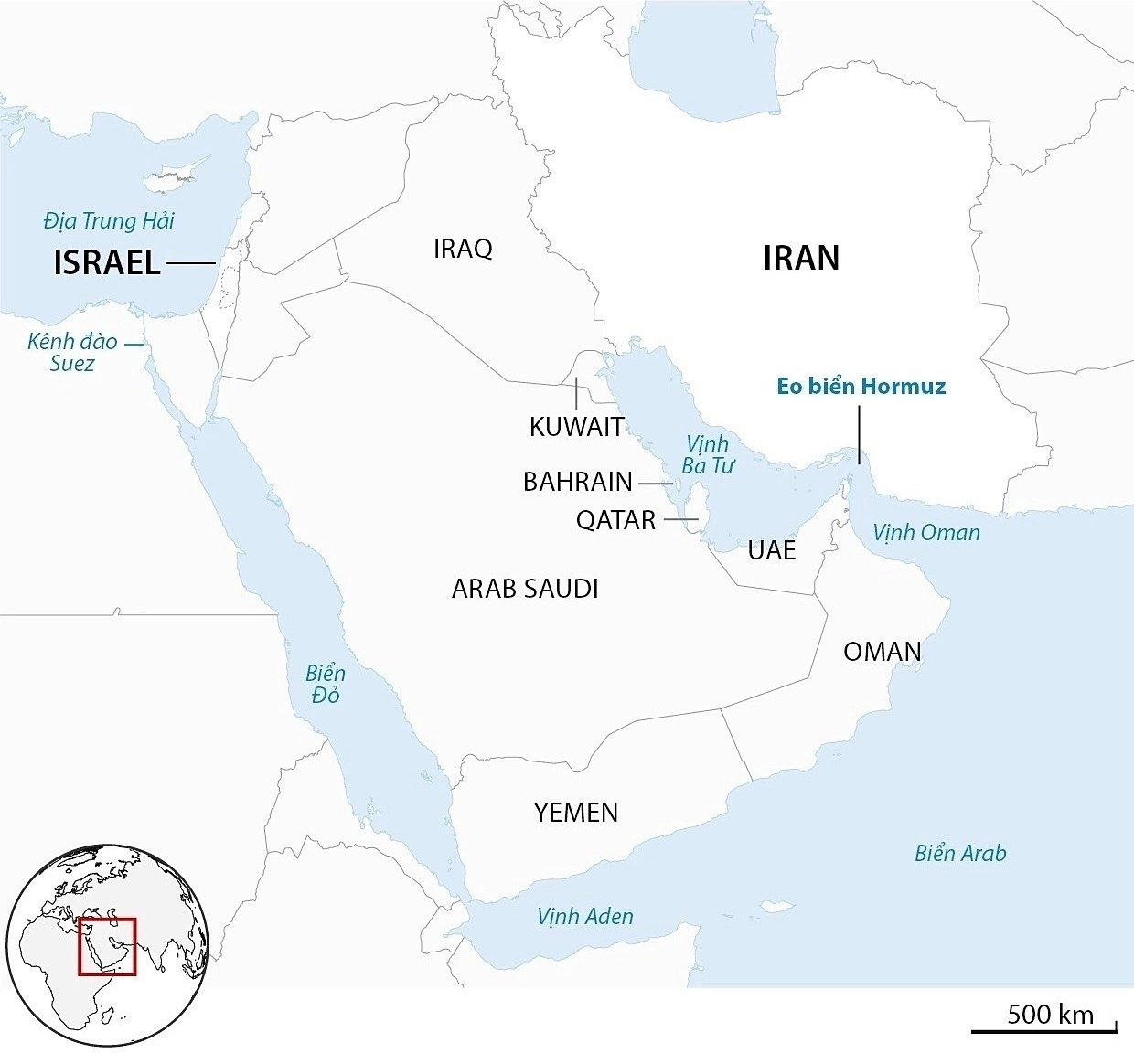 |
Location of the Hormuz Strait. *Graphic: Guardian* |
Duc Trung (According to Business Insider, Newsweek, AP)